
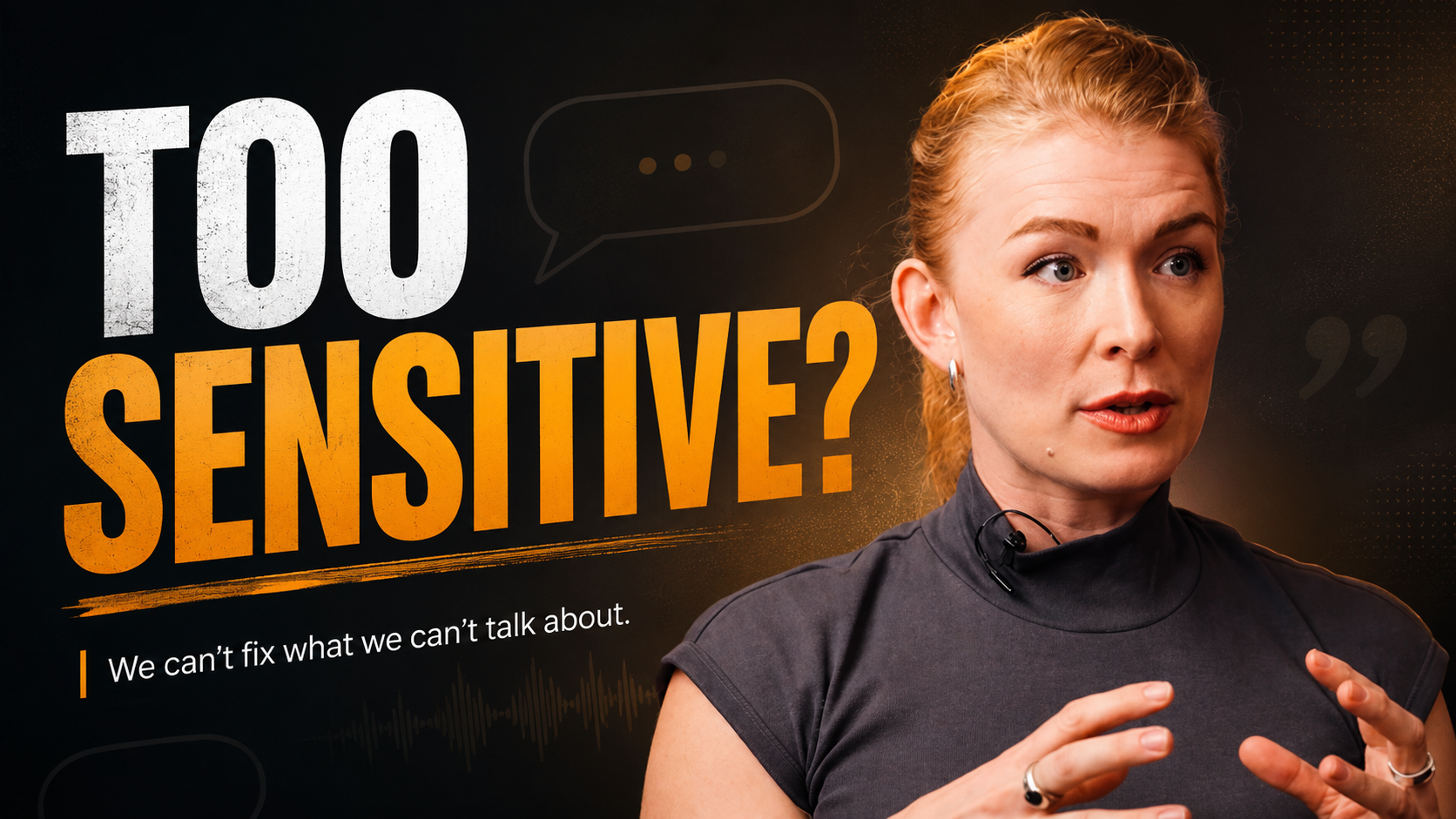
We Can’t Fix What We Can’t Talk About
Some conversations are uncomfortable, but that does not mean they should be avoided.
In the care sector, many of the issues that matter most are also the hardest to speak about. Child protection, legal systems, trauma, family breakdown, disability support, aged care, workforce pressure, early childhood care and lived experience all carry emotional weight. These are not just policy topics. They are human stories.
When a speaker, leader or advocate stands in front of a room and names something difficult, it can feel confronting. For some people, it may even be triggering. But silence does not solve complex problems. If we cannot talk about what is broken, unsafe, unfair or misunderstood, we cannot begin to repair it.
Why Difficult Conversations Matter in the Care Sector
The care sector is built around people. It supports children, families, older Australians, people with disability, carers, educators, providers and frontline workers. Every part of this system is connected to someone’s life.
That is why honest conversation matters.
When we speak about the Department of Child Protection, NDIS reform, aged care standards or childcare challenges, we are not only speaking about systems. We are speaking about people who have lived through those systems. Some have felt supported. Others have felt unseen, unheard or let down.
A strong care sector cannot be built on surface-level language. It needs clear, compassionate and honest dialogue.
Speaking With Authentic Power
One of the hardest parts of leadership is learning how to deliver a message with power without losing care.
A keynote speaker, sector leader or public advocate often speaks to a room full of people with different experiences. Some may be providers. Some may be policymakers. Some may be workers. Some may carry lived experience. Not everyone will hear the same message in the same way.
This is where authentic leadership matters.
Speaking with authentic power does not mean being careless with words. It means being thoughtful, aware and brave enough to say what needs to be said. It means reading the room, respecting the audience and still not diluting the truth.
The goal is not to shock people. The goal is to open a door for deeper understanding.
Watch the complete Podcast
We Can’t Fix What We Can’t Name
A powerful idea from this conversation is simple: we can’t fix what we can’t talk about.
If we cannot name a problem, it continues to sit beneath the surface. If we avoid difficult topics because they may cause discomfort, we allow those issues to keep growing in silence.
This is especially important across the care economy. Many people working in NDIS, aged care and childcare know that the sector carries deep challenges. Workforce shortages, burnout, regulation, funding pressure, quality of care, cultural understanding and the dignity of the people receiving care all need open discussion.
Not every conversation will be easy. But the future of care depends on our willingness to have them.
The Risk of Over-Sensitivity
There is a growing concern that our culture is becoming more sensitive to discomfort. People may feel hurt, challenged or offended when difficult topics are raised. These reactions are real and should not be dismissed.
At the same time, we need to ask an important question: if every hard conversation is avoided, how do we grow?
Care sector leadership requires maturity. It requires the ability to listen, reflect and engage with perspectives that may feel uncomfortable. A difficult message is not always a harmful message. Sometimes it is the beginning of change.
Leadership Needs Courage and Care
The strongest leaders are not the ones who say what everyone already agrees with. They are the ones who can speak honestly while still holding respect for the people in the room.
In the care sector, this balance is vital.
Leaders must be able to talk about trauma without exploiting it. They must discuss reform without forgetting people. They must challenge systems without losing empathy. They must speak about gaps in care while also recognising the dedication of workers and providers who show up every day.
This is the kind of leadership the future needs. Courage with compassion. Truth with responsibility. Advocacy with humility.
Why This Conversation Matters Now
Australia’s care sectors are going through major change. NDIS reform, aged care reform and childcare policy continue to shape the lives of millions of people. At the same time, providers and workers are facing increasing expectations, complex regulation and growing community need.
We cannot afford shallow conversations.
The next stage of reform must include honest voices from across the sector. That includes frontline workers, families, participants, older Australians, early childhood educators, advocates, community leaders, policymakers and providers.
Real change will not come from avoiding discomfort. It will come from listening deeply, speaking clearly and being willing to name what needs to change.
Join the Conversation at the National Care Sectors Conference
If these conversations matter to you, we invite you to attend the National Care Sectors Conference: NDIS, Aged Care & Childcare on 28 August 2026.
Join us for a moving and inspiring event that brings together leaders, providers, advocates, professionals and community voices from across Australia’s care sectors. This conference will explore the future of NDIS, aged care and childcare through honest discussion, lived experience, practical insight and meaningful connection.
Because we can’t fix what we can’t talk about. And the care sector deserves conversations that lead to real change.