
Anxiety, Burnout and the Warning Signs We Often Ignore
Anxiety and burnout are becoming part of everyday conversations, but many people still suffer quietly.
In this conversation, we explore how anxiety can affect adults across all stages of life, from young professionals to older people, and why burnout is often missed until the body and mind reach breaking point. Anxiety is one of the most common mental health challenges people face, and burnout is increasingly affecting high-performing professionals, care workers, leaders and people working in demanding environments.
The problem is that burnout rarely arrives suddenly. It builds slowly. Your body may whisper for weeks, months or even years before it finally forces you to stop.
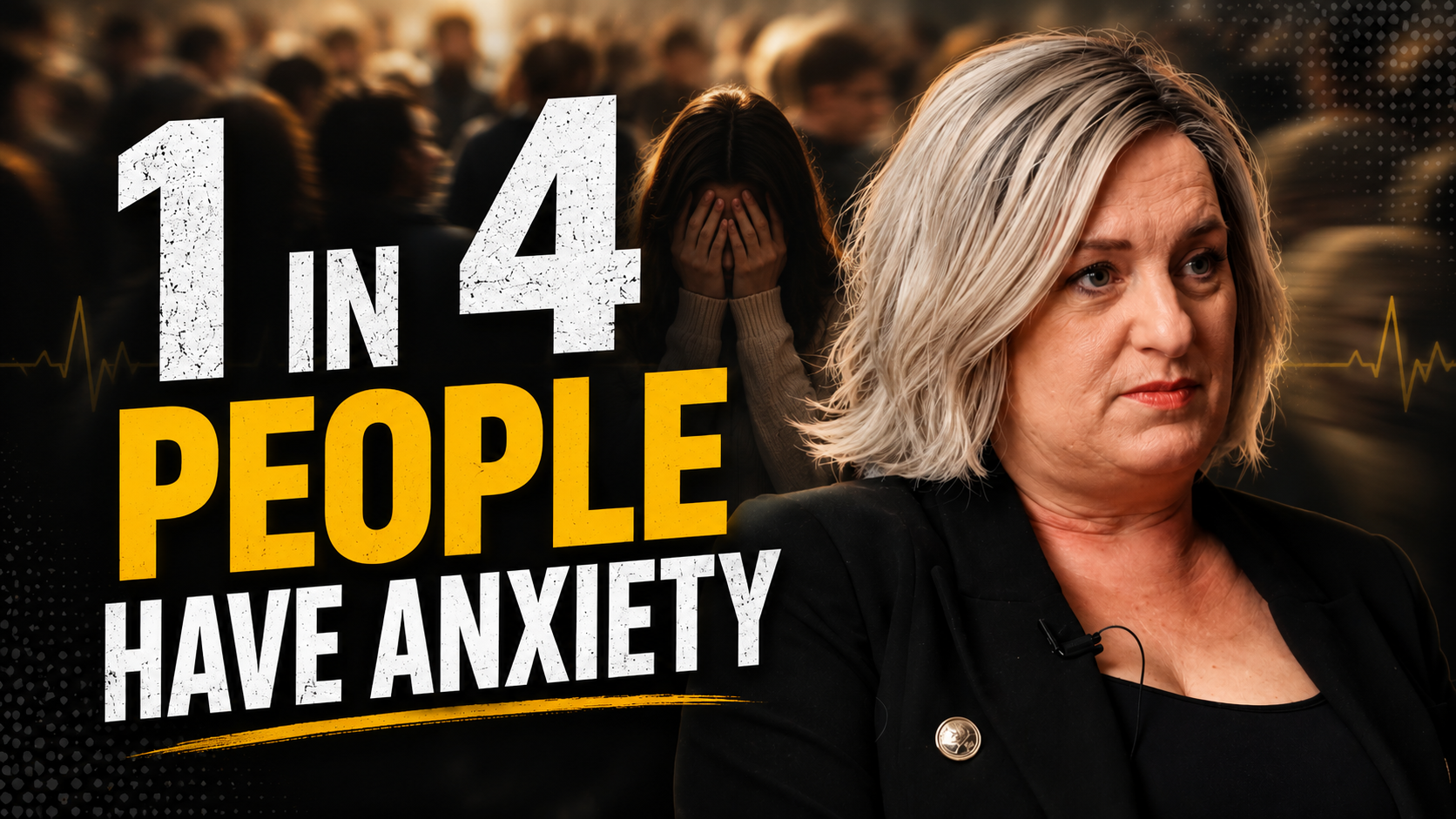
Why Anxiety Is So Common
Anxiety can affect anyone. It is not limited to one age group, profession or background. Many people who appear capable, successful and calm on the outside may still be carrying constant stress underneath.
In private practice and coaching settings, anxiety often appears as one of the most common presenting concerns. People may seek support because they feel overwhelmed, restless, worried, tense or unable to switch off. Others may not even realise they are anxious. They may simply think they are tired, busy or under pressure.
This is especially common in high-pressure workplaces, where stress can become normalised. When everyone around you is working long hours, pushing through exhaustion and treating pressure as part of the culture, it becomes harder to notice when something is wrong.
Burnout Is a Slow Creep
Burnout does not usually happen overnight.
You do not simply wake up one morning and suddenly become burnt out. More often, your body and mind have been sending signals for a long time. The issue is that many people are too busy to hear them.
In demanding sectors such as NDIS, aged care, childcare, health, disability support, education and leadership, workers often put others first. They keep showing up, keep giving and keep pushing through. Over time, that constant demand can drain their internal resources.
Burnout can be understood as physical, mental, emotional and spiritual exhaustion caused by excessive demands over a prolonged period of time.
Watch the complete Podcast
Physical Signs of Burnout
One of the clearest signs of burnout is deep exhaustion.
This is not ordinary tiredness that goes away after a good night’s sleep. It is the kind of fatigue where you wake up tired, drag yourself through the day and feel like your whole body is heavy.
Physical signs may include:
Constant tiredness
Poor sleep or waking up exhausted
Loss of appetite
Getting sick more often
Frequent colds, viruses or infections
Flare-ups of chronic pain
Skin changes or flare-ups, such as eczema
Autoimmune symptoms becoming worse
Muscle tension, headaches or body aches
Your body often says no before your mind is ready to admit there is a problem.
Mental and Emotional Signs of Burnout
Burnout also affects the way you think and feel.
You may find it harder to concentrate, make decisions or be creative. Tasks that once felt manageable can suddenly feel too difficult. You may procrastinate more, feel disconnected from others or lose motivation for work you once cared about.
Mental and emotional signs may include:
Poor focus
Brain fog
Loss of creativity
Feeling detached from people
Irritability or emotional numbness
Procrastination
Reduced motivation
Feeling overwhelmed by small tasks
A sense that you are just surviving rather than living
These signs are easy to dismiss, especially in workplaces where stress is treated as normal. But ignoring them can lead to deeper exhaustion and long-term health impacts.
The Workplace Echo Chamber
One of the most powerful points in this conversation is the idea of the workplace echo chamber.
If everyone around you is working 16-hour days, competing with each other, answering emails late at night and treating burnout as a badge of honour, you may start to believe this is normal. You may even feel guilty for needing rest.
This is where workplace culture matters.
A healthy workplace does not reward people for destroying themselves. It recognises that people need recovery, boundaries, support and psychological safety. In the care sector, this is even more important because burnt out workers cannot provide their best care to others.
Why This Matters in the Care Sector
People working across NDIS, aged care and childcare carry enormous emotional and professional responsibility.
They support people through vulnerability, transition, trauma, ageing, disability, family stress and daily care needs. This work is meaningful, but it can also be draining when systems are stretched, staffing is tight and expectations keep rising.
If care workers, educators, support coordinators, nurses, allied health professionals, managers and providers are burning out, the whole system feels it.
Supporting workforce wellbeing is not a soft issue. It is central to quality care, safety, retention and long-term sustainability.
Listening Before Breaking Point
The most important step is learning to notice the early warning signs.
Instead of waiting until you collapse, ask yourself:
Am I waking up tired most days?
Am I getting sick more often?
Am I losing patience with people?
Am I struggling to think clearly?
Am I disconnected from work, family or myself?
Am I ignoring what my body is trying to tell me?
These questions matter. Burnout prevention begins with awareness. It also requires workplaces, leaders and sectors to create cultures where people can speak honestly about stress before it becomes a crisis.
The Body Says No
Stress often shows up in the body.
For some people, it may appear through sleep problems. For others, it may show in skin, pain, appetite, immunity or energy levels. In the conversation, the example of grey hair becoming more visible during stressful weeks is a powerful reminder that the body keeps score in its own way.
Everyone’s signs may be different, but the message is often the same: slow down, pay attention and respond before the body has to shout.
Building a Healthier Future for Care
The future of care depends on people. Technology, funding, policy and reform all matter, but the heart of care is still human.
That means we need to talk more openly about anxiety, burnout, stress and wellbeing across the care sectors. We need to support the people who support others. We need leaders who can recognise early warning signs, create healthier cultures and make wellbeing part of the way care is delivered.
Burnout should not be accepted as the cost of caring.
Join the Conversation at the National Care Sectors Conference
If these issues matter to you, we invite you to attend the National Care Sectors Conference: NDIS, Aged Care & Childcare on 28 August 2026.
Join us for a moving and inspiring event that brings together leaders, providers, professionals, educators, advocates and community voices from across Australia’s care sectors. Together, we will explore the future of care, workforce wellbeing, reform, leadership and the human stories behind NDIS, aged care and childcare.
Because when we care for the people who care for others, the whole sector becomes stronger.