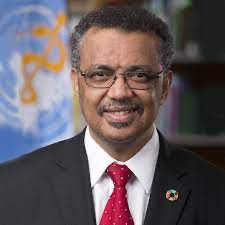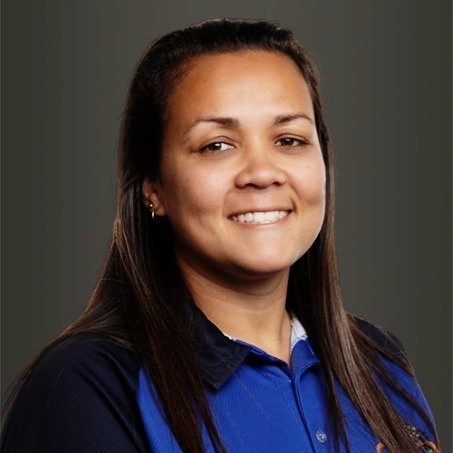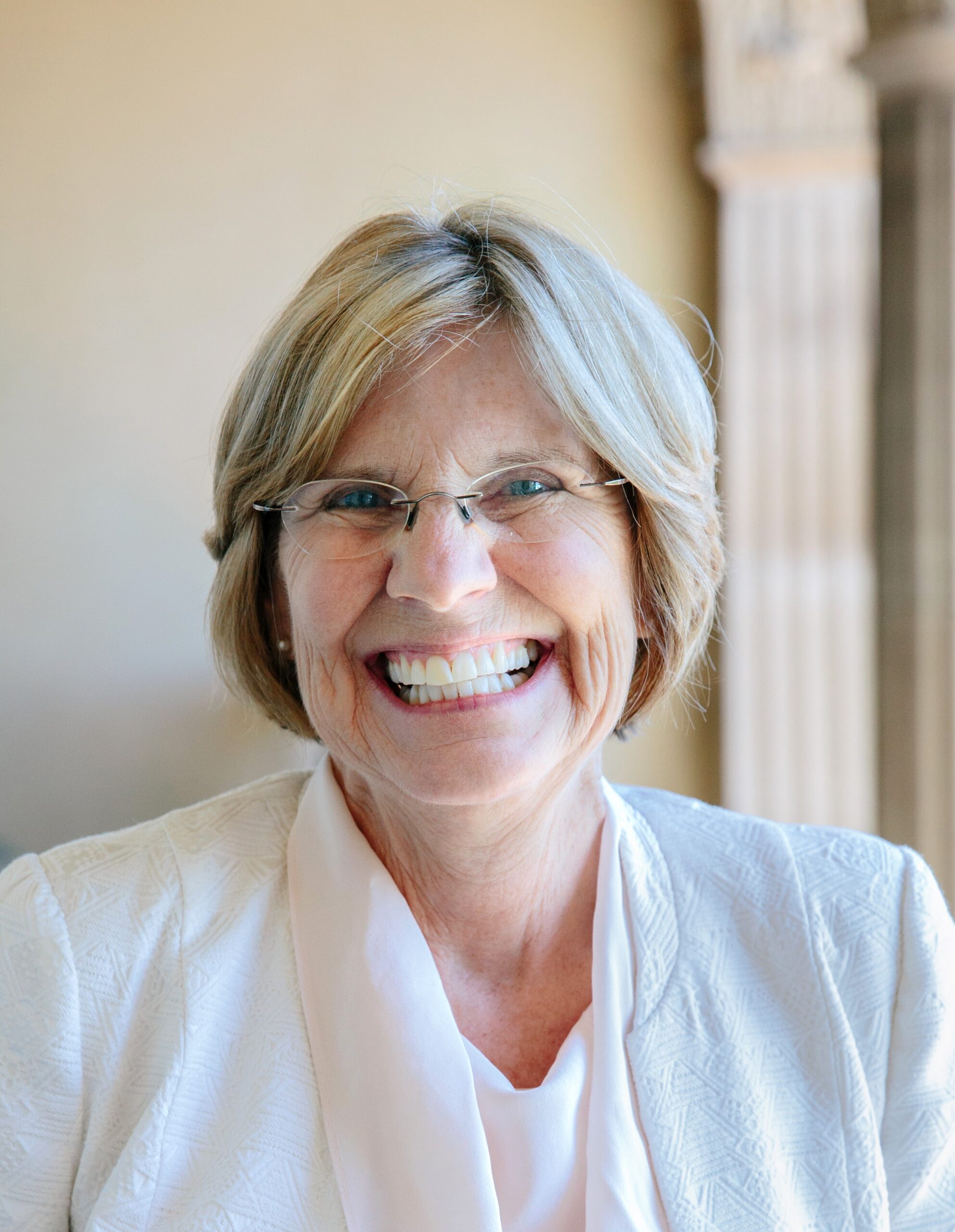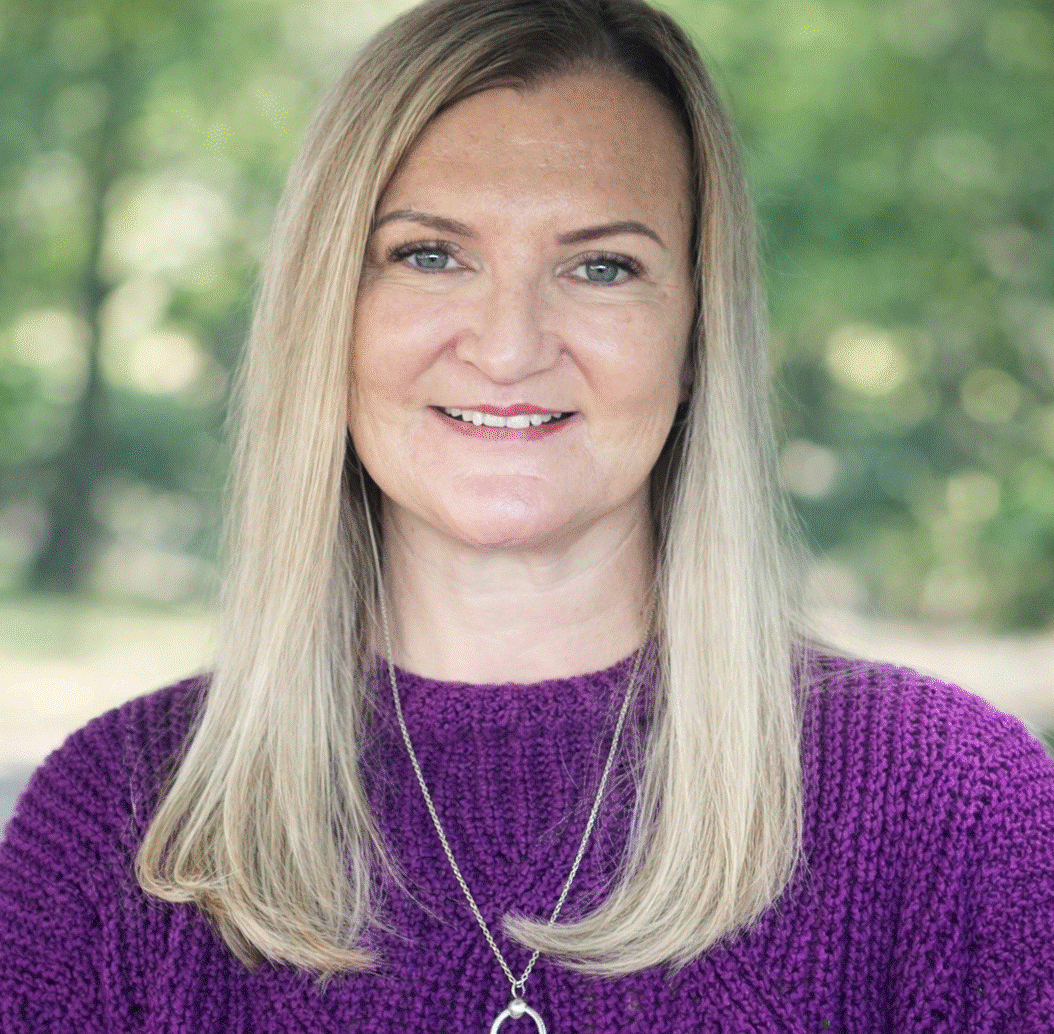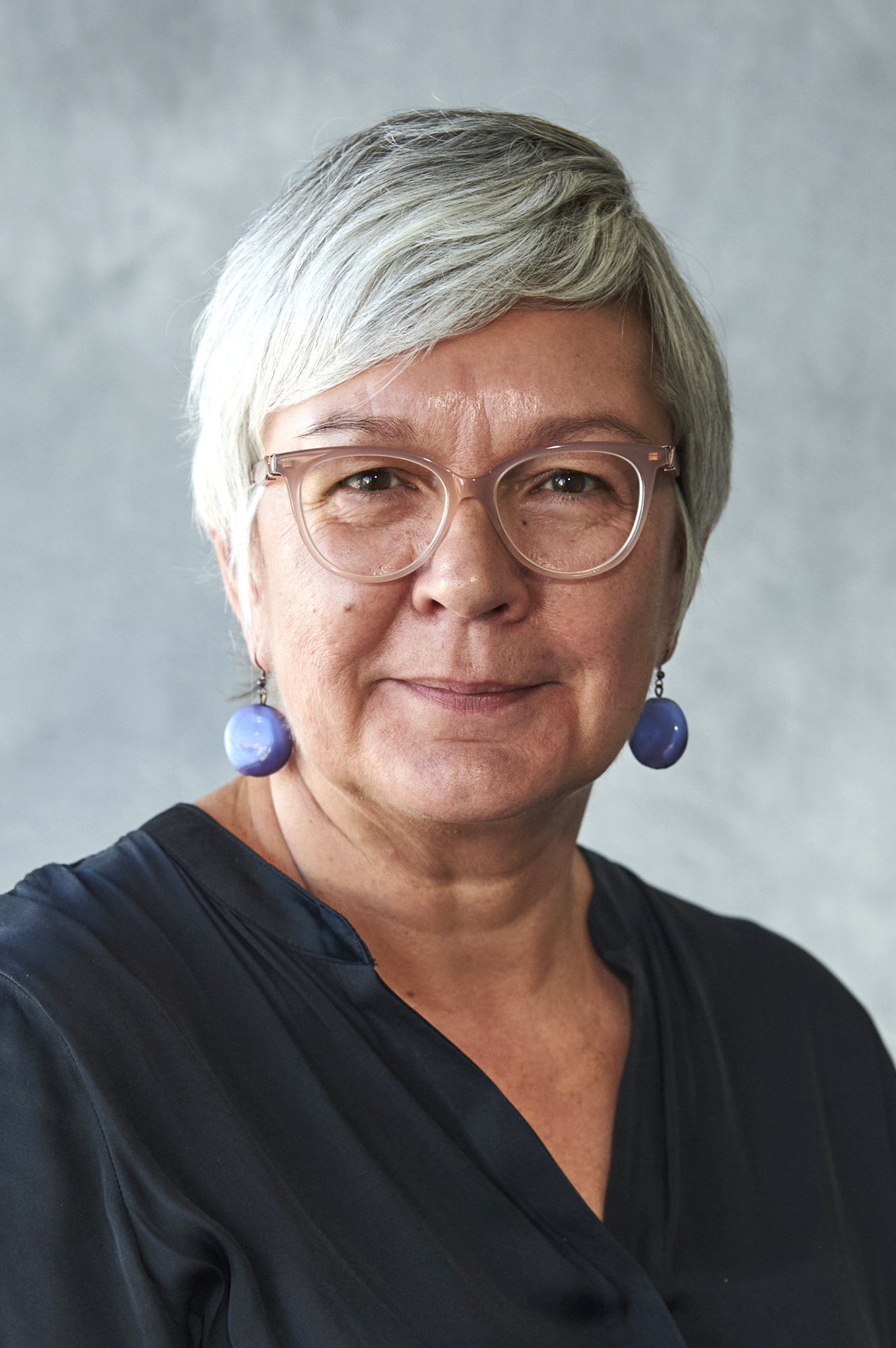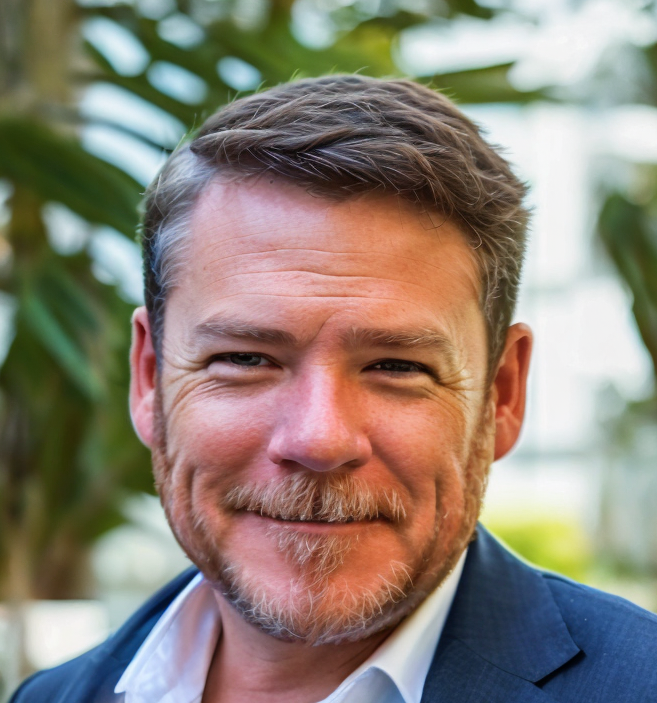

Speakers coming soon!
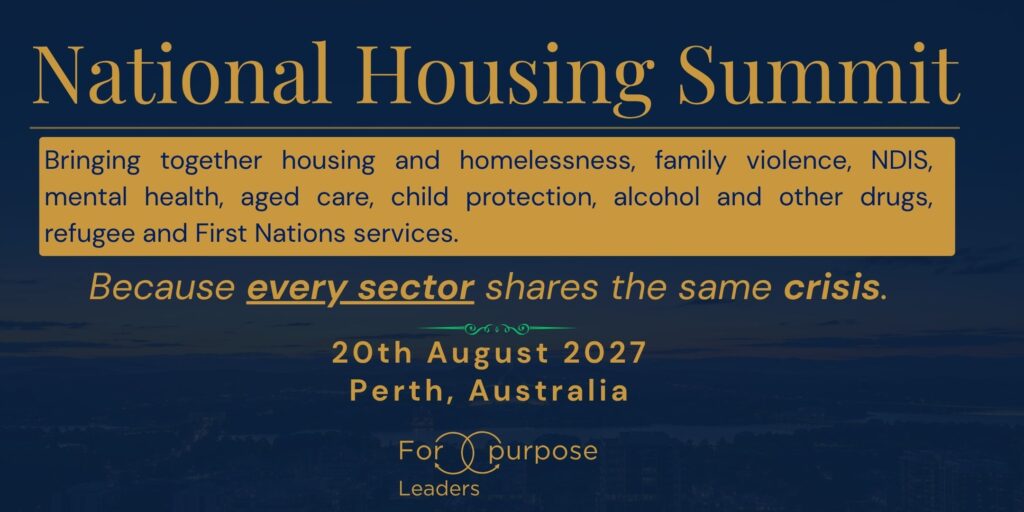
National Housing Summit
Bringing together housing and homelessness, family violence, NDIS, mental health, aged care, child protection, AOD, First Nations services
About the event:
The National Housing Summit 2027 is Australia’s first cross-sector forum placing housing at the centre of the national agenda, by bringinging together housing and homelessness, family domestic violence, NDIS, mental health, aged care, child protection, alcohol and other drugs, refugee, First Nations, veterans and justice services under one roof for one critical conversation.
This full-day summit will bring together ministers, sector leaders, practitioners and people with lived experience to trace Australia’s housing crisis across the full care continuum, and invite every sector to the table to solve it.
Through six panel discussions, including a dedicated First Nations panel, the National Housing Summit will:
- Set the shared problem statement for why housing has become every sector’s emergency
- Centre Aboriginal and Torres Strait Islander voices and solutions in the national housing conversation
- Identify the system-wide transition points where people are falling through the gaps
- Examine how federal and state policy architecture is contributing to the crisis
- Spotlight the cross-sector workforce challenges and opportunities
- Secure concrete commitments to action from government and sector leaders
The National Housing Summit is a genuine first for Australia, a landmark conversation that will put housing at the heart of every sector’s agenda and every government’s responsibility.
Why this summit and why now?
Housing insecurity is the common thread running through family violence, disability, mental health, aged care, child protection, alcohol and other drugs, refugee settlement, youth homelessness, veterans’ services and justice, but Australia has continued to treat it as a single sector’s problem.
The evidence is clear and compelling:
- Domestic and family violence is the leading cause of homelessness for women and children
- More than 30% of people accessing homelessness services have a mental health issue
- 1 in 3 people in social housing have a disability
- Older women are the fastest growing cohort of homeless Australians
- 63% of people exiting AOD treatment into unstable housing relapse within 12 months
- 60% of people released from prison expect to be homeless on release
It is time for a new national approach. For policy, funding and service design to recognise that the housing crisis is not a single sector’s crisis — it is a whole-of-care-economy crisis that demands a whole-of-government response.
That is the purpose and the promise of the National Housing Summit 2027, to bring the entire ecosystem together for the first time and catalyse the cross-sector solutions Australia urgently needs.
-
Panel1: One Crisis, Many Names - How Housing Became Every Sector's Emergency
Guiding question: When housing insecurity is the common thread running through family violence, disability, mental health, aged care, child protection, alcohol and other drugs, refugee settlement, youth homelessness, veterans' services and justice reintegration, why has Australia continued to treat it as one sector's problem, and what does it mean for policy, funding and service design to finally accept that the housing crisis is not a housing sector crisis but a whole-of-care-economy crisis that demands a whole-of-government response?
-
Panel 2: First Nations Country, Community and the Right to Home - First Nations Housing as Self-Determination
Guiding question: For Aboriginal and Torres Strait Islander peoples, the housing crisis is not new, it is the continuation of dispossession, so how do we move beyond deficit framing and government-designed solutions to genuinely centre community-controlled housing organisations, cultural safety and First Nations self-determination as the architecture for housing reform across remote, regional and urban Australia, and what must every other sector in this room understand about the intersection of First Nations housing with child protection, family violence, disability and justice in order to stop compounding the harm?
-
Panel 3: Nowhere to Go - The Transition Points Where the System Abandons People
Guiding question: Whether someone is leaving a women's refuge, being discharged from a psychiatric ward, aging out of out-of-home care, completing a custodial sentence, transitioning from aged care, finishing an AOD treatment program, or being resettled as a refugee, they face the same moment where a door closes behind them and there is no housing on the other side, so what does it reveal about the design of our entire care system that every sector has independently identified this same transition cliff edge, and what would a nationally coordinated, cross-sector approach to housing pathways at the point of transition actually look like in practice?
-
Panel 4: The Funding Maze How Federal and State Policy Architecture Is Keeping People Homeless
Guiding question: When housing is funded and delivered across at least seven federal departments, eight state and territory governments, the NDIS, the aged care system, the corrections system and the child protection system, each with different eligibility rules, different funding cycles, different reporting frameworks and different definitions of who deserves housing, how do we architect a national funding and accountability model that ends the blame-shifting between levels of government, closes the gaps that vulnerable Australians fall through, and makes housing a shared obligation rather than a political football that no single minister owns?
-
Panel 5: The Workforce Holding It Together, and Why They Cannot Keep Doing It Alone
Guiding question: Across housing, family violence, disability support, mental health, aged care, AOD, refugee services, youth work, veterans' services and justice reintegration, there are tens of thousands of skilled practitioners who see the same people with the same complex needs every day but operate in different systems with different training, different data and no shared practice framework, so what would it take to build a care economy workforce that shares a common language around housing, can work across sector boundaries without legal and funding barriers, and is resourced to do prevention rather than just crisis response?
-
Panel 6: Closing From Crisis to Care — The National Commitments We Leave This Room With
Guiding question: If every sector in this room agrees that housing is the foundation of safety, recovery, wellbeing and dignity for the vulnerable Australians we all serve, that the current system is producing homelessness by design, that the same people are cycling through our services without ever getting a home, and that no single sector can solve this alone, then what are the concrete national commitments that leaders, ministers and practitioners from housing, family violence, disability, mental health, aged care, child protection, AOD, refugee, First Nations, veterans and justice services will make today, and what accountability mechanism do we put in place to ensure we reconvene, report back and are held to them?
Date & Time:
Friday 20 August 2027 • 7:30 AM – 5 PM AWST
Location:
State Reception Centre, Fraser’s Kings Park
60 Fraser Avenue Kings Park, WA 6005