
Commissioner Micaela Cronin
Commissioner, Domestic, Family and Sexual Violence Commission; CEO, MacKillop Family Services (2009 – 2016) [Tentative]
Commissioner Micaela Cronin
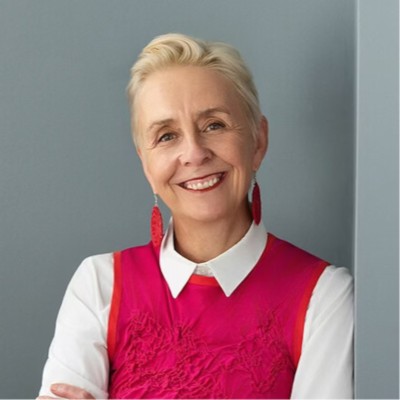
Micaela Cronin is Australia’s first Domestic, Family and Sexual Violence Commissioner. A third‑generation social worker, she began her career in family violence and sexual assault services, bringing deep frontline experience to her leadership. She has since held senior leadership roles across the social services sector in Australia and internationally, including as President of the Australian Council of Social Services.
Micaela has also served as Chief Executive Officer of an international non‑government organisation based in Asia, where she led global service delivery and strategic partnerships to address human trafficking and human rights abuses.
In 2014, Micaela was awarded the Robin Clark Leadership Award – Victoria’s most prestigious child protection honour – in recognition of her leadership and commitment to improving outcomes for children, young people and their families.

Claire Marshall
CEO, Emerge Women and Children’s Support Network
Claire Marshall
Claire Marshall is the CEO of Emerge Women and Children’s Support Network, a specialist organization in Victoria that provides refuge, crisis housing, and therapeutic support to those escaping family violence. A human rights lawyer by training, she has extensive experience in systemic reform and gender equality, having previously served as a Director for the Independent Review into the Victorian custodial system and led the legal and assessment team for victim-survivors at the Department of Justice and Community Safety (DJCS). Her career is centered on addressing the drivers of gendered violence and creating institutional change to better support marginalized communities.
Under her leadership, Emerge has focused on a “child-as-client” model, ensuring that children receive dedicated case management and therapeutic care as victim-survivors in their own right. Marshall is a strong advocate for holistic recovery, emphasizing that safety is not just about physical shelter but also about long-term financial independence and psychological healing. She holds a Juris Doctor and a Pathway to Politics Fellowship from the University of Melbourne and is the co-host of the Good Sheilas podcast, where she discusses social justice and feminist issues.
Kathleen Hope
CEO, SunnyKids
Kathleen Hope
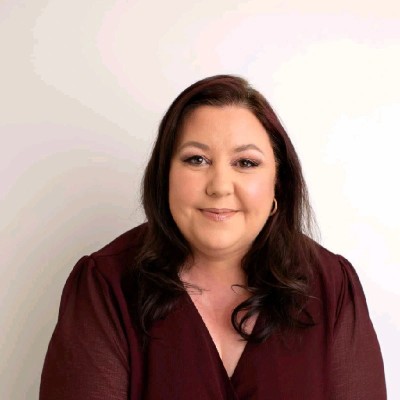
Kathleen Hope is the Chief Executive Officer of SunnyKids, a prominent Australian non-profit organization dedicated to breaking the cycle of intergenerational trauma and domestic violence. Under her strategic leadership, SunnyKids delivers vital social infrastructure, offering emergency accommodation, counseling, and integrated support services to vulnerable individuals, particularly women and children on the Sunshine Coast. Hope is highly regarded for her collaborative, community-centric management approach, actively fostering partnerships between local businesses, government agencies, and frontline service providers to build a more resilient and protective social ecosystem.
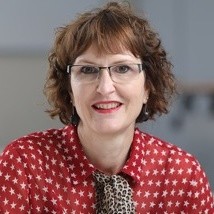
Elisabeth Shaw
CEO, Relationships Australia NSW
Elisabeth Shaw
Elisabeth Shaw is a highly accomplished clinical and counselling psychologist who has served as the Chief Executive Officer of Relationships Australia NSW since March 2016. With over 25 years of specialized experience in relationship support, she works extensively with individuals, couples, and families navigating complex emotional and systemic dynamics. An esteemed sector leader and practitioner, Elisabeth holds Master’s degrees in Couple and Family Therapy (UNSW), Professional Ethics (UNSW), and Management (UTS), and is a Graduate of the Australian Institute of Company Directors. Beyond her executive leadership, she contributes broadly to the community and mental health sectors through her work as a senior consultant at The Ethics Centre, a clinical supervisor, and a board member for several organizations, including the Youth Insearch Foundation.

Paul McDonald
CEO, Anglicare Victoria
Paul McDonald
Paul McDonald is the Chief Executive Officer of Anglicare Victoria, the state’s largest provider of foster care, family welfare, and youth support services, a role he has held since 2010. A prominent leader and advocate in the Australian community sector, he is also the founding National Chair of the acclaimed “Home Stretch” campaign, which successfully lobbied every Australian state and territory to extend out-of-home care support for young people from 18 to 21 years old. His extensive background spans more than three decades in social welfare and public policy, including previous senior executive roles as the Deputy Secretary of the Children, Youth and Family Division within the Victorian Government’s Department of Human Services, where he oversaw the state’s child protection and youth justice systems. McDonald is highly regarded for his systemic reform work in the care and support economy, having served as the President of the Centre for Excellence in Child and Family Welfare and as the Patron of the National Youth Workers Association.
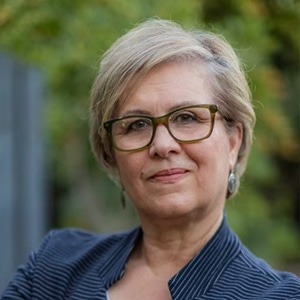
Nada Nasser
CEO, Women’s Housing Company; Director Homelessness Service Reform, Department of Family and Community Services (NSW)(2012 – 2015)
Nada Nasser
Nada has extensive experience as a senior leader in housing and human services in the government and not for profit sectors. She has led strategy, operations, and growth to strengthen communities and improve outcomes for disadvantaged communities.
Prior to joining the Women’s Housing Company, Nada was a State Director at Mission Australia leading service delivery in NSW, ACT and Victoria. Prior to that she led business strategy, homelessness programs and innovative product and service development at the then Housing NSW.
Early in her career Nada worked at the grassroots in youth work, migrant services and women’s training programs. Nada is passionate about social justice and about improving outcomes women in social housing and those homeless or at risk of homelessness.
Nada holds a Master of Business Administration (MBA); Bachelor of Arts (Social Science) and is a Graduate of the Australian institute of Company Directors (GAICD)

Chris Vanstone
Co-CEO, The Australian Centre for Social Innovation (TACSI)
Chris Vanstone
Chris Vanstone serves as the Co-CEO of The Australian Centre for Social Innovation (TACSI), where he leads initiatives aimed at tackling complex social challenges through human-centered design and systemic innovation. Joining TACSI shortly after its inception in 2009, Chris played a pivotal role in developing its signature methodology, combining social research, co-design, and practical experimentation to improve community outcomes across Australia. With a background in industrial design and social change, he has spearheaded ground-breaking projects in aging, child protection, and mental health, consistently advocating for solutions shaped directly by people with lived experience. As Co-CEO, he drives TACSI’s strategic vision to build capability within communities and organizations, pushing for structural reforms that foster a fairer and more inclusive society.
More speakers coming soon!
National Child and Family Safety Leadership Summit 2027
Leaders across FDV, child protection, housing, justice & First Nations sectors: one day, one national conversation. Melbourne, 10 Sep 2027.
ATTEND Online or LIVE -Stream – National Child and Family Safety Leadership Summit 2027
For sponsorship and other enquiries please email us at dev@for-purpose.com.au or call us at 0401 625 001
Australia’s child and family safety system is fragmented. This summit is how we continue to fix that.
The National Child and Family Safety Leadership Summit 2027 is a national one-day gathering of leaders, practitioners, policymakers, researchers, lived-experience advocates and community voices working across family and domestic violence, child protection, housing and homelessness, community legal services, justice, health, education and First Nations community-controlled sectors.
This summit was built from evidence. Every panel conversation was shaped by data collected directly from 300 plus sector leaders and practitioners at our inaugural 2026 Perth summit. The sector told us what was broken, what was urgent and what remained unresolved. We listened, and we designed this summit around those answers.
What the 2026 data told us:
- 91% of 2026 participants rated Australia’s national child and family safety system as fragmented. Zero rated it as well coordinated.
- 0 participants believed First Nations cultural authority fully shapes the child and family safety system.
- 91% said safe, affordable housing for people escaping violence is critically or very inadequate.
- 72% said they have little or no confidence that national reform will meaningfully centre children’s voices in the next five years.
These are not findings from a government review. They are the views of the people doing this work every day. The 2027 summit exists because of what the 2026 room told us.
What to expect on the day:
Six national panel conversations exploring the most urgent and unresolved challenges in child and family safety — from closing the gaps between systems and services, to First Nations self-determination, perpetrator accountability, the housing crisis, digital harm and building one coordinated national system.
Three facilitated group activities where every table contributes practical insights, barriers and recommendations that will be captured in a post-summit national report.
A live audience survey tracking how sector sentiment shifts across the day — and feeding directly into the evidence base for future advocacy and reform.
Who should attend:
This summit is for anyone working in or leading family and domestic violence services, child protection, community legal centres, housing and homelessness, justice, health, early childhood and education, First Nations community-controlled organisations, multicultural and CALD community services, government at any level, research and academia, lived-experience advocacy, or peak and national bodies.
Whether you are a CEO, a frontline practitioner, a policymaker or a community leader — if child and family safety is part of your work, this conversation is for you.
Date: 10 September 2027
Venue: Metropolis, Melbourne, Victoria
Format: In-person and live-streamed nationally
Date & Time:
Friday 10 September 2027 • 7:30 AM – 5 PM
Location:
Panorama Room, Metropolis, Southgate Melbourne
Southgate Melbourne, Level 4
3 Southgate Avenue Southbank, VIC 3006
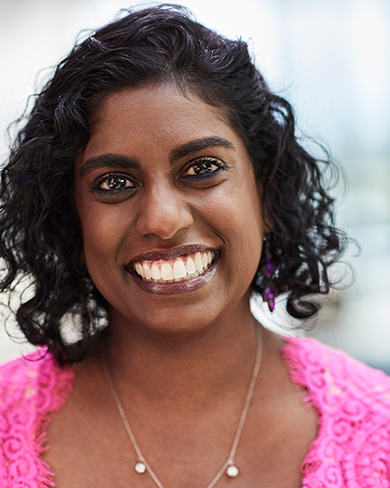
Malini Raj
Executive Director, Australian Multicultural Women’s Alliance (AMWA)
Malini Raj
Malini Raj is the Executive Director of the Australian Multicultural Women’s Alliance (AMWA), a national organization established in partnership with FECCA, Settlement Services International, and Media Diversity Australia to amplify the voices of multicultural women in national policy. With over 20 years of experience across financial services, strategy, and community engagement, she previously held senior leadership roles at the Commonwealth Bank, including Head of Community Engagement and Head of Strategy for Multicultural Community Banking. In these roles, she led initiatives to improve financial inclusion for culturally and linguistically diverse (CALD) communities and was notably responsible for introducing the first corporate hijab into the bank’s corporate wardrobe.
An advocate for systemic change and inclusive leadership, Raj focuses on addressing barriers in areas such as gender-based violence, economic security, and leadership representation. Beyond her work with AMWA, she is a dedicated health advocate and serves as the Chair of the Australian Pituitary Foundation, a role informed by her personal journey with Cushing’s disease. She holds several professional qualifications, including a Master’s in Applied Finance and Investment, and serves on various boards such as the Settlement Council of Australia and The Parenthood. Her leadership has been recognized with numerous accolades, including the Women’s Agenda Leadership Award in the Changemaker category.
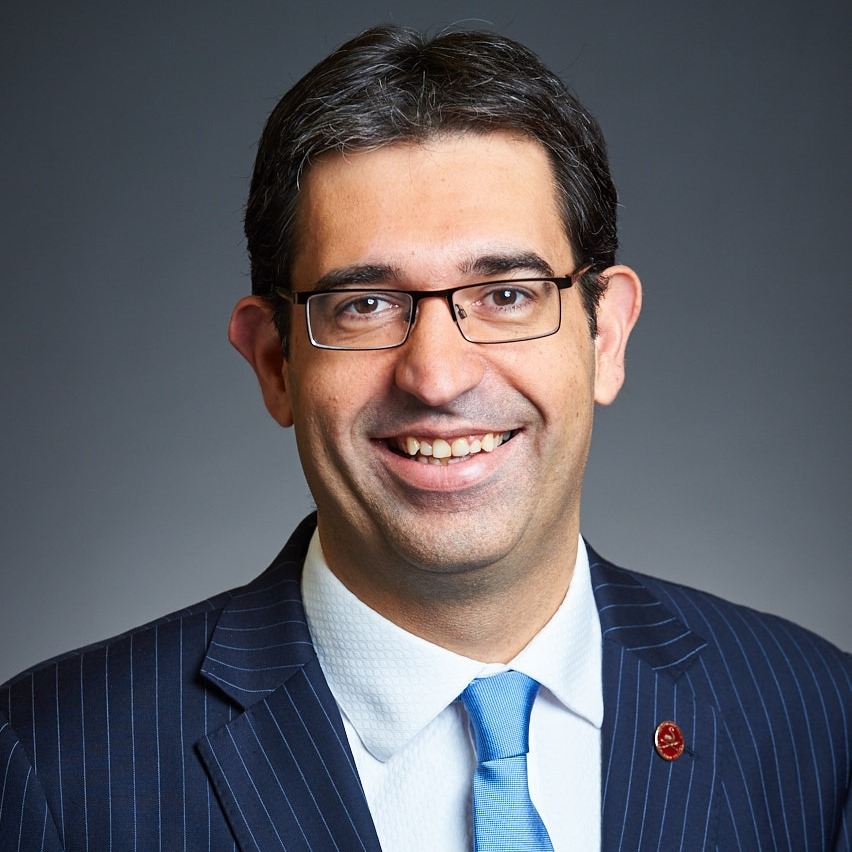
Hon Nick Goiran MLC
Leader of the Opposition in the Legislative Council; Shadow Attorney General; Shadow Minister for Child Protection
Hon. Nick Goiran MLC
Hon. Nick Goiran MLC is a prominent Western Australian politician serving as the Leader of the Opposition in the Legislative Council, as well as the Shadow Attorney General and Shadow Minister for Child Protection. First elected in 2008 to represent the South Metropolitan Region, he is an experienced legislator and a former equity partner in a law firm with a background in commerce and law. Within the Liberal Party, he is recognized as a leading conservative voice, consistently advocating for the protection of human life, the rule of law, and the preservation of fundamental freedoms. His parliamentary career is marked by significant committee work, including two terms as Chairman of the Joint Standing Committee on the Corruption and Crime Commission and his role as a co-convenor of the Parliamentary Friends of Palliative Care.
Throughout his tenure, Goiran has been a vocal proponent for the vulnerable, spearheading the establishment of a Select Committee into Elder Abuse and maintaining a strong focus on child safety and family-friendly policies. He is known for his detailed approach to legislative review—once delivering a record-breaking 22-hour speech in the upper house—and has held various shadow portfolios including Industrial Relations, Commerce, and the Prevention of Family and Domestic Violence. As a key figure in the WA Liberal Party, his current leadership roles position him at the forefront of holding the government to account on justice reform and social services, while continuing to represent the interests of his constituents with a focus on personal privacy and natural justice.
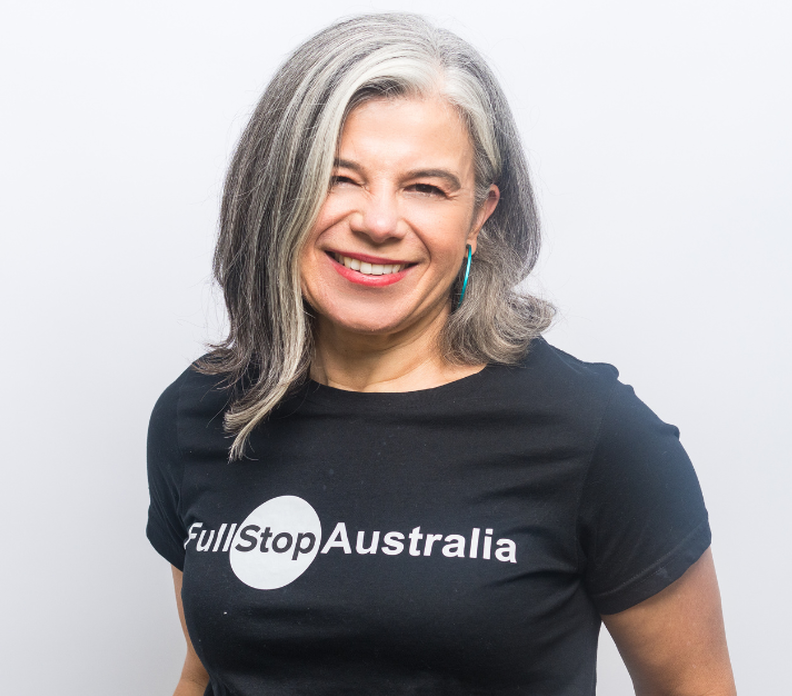
Karen Bevan
CEO, Full Stop Australia
Karen Bevan
Karen Bevan is the CEO of Full Stop Australia, a national organization that provides trauma-specialist counseling and advocacy for survivors of sexual, domestic, and family violence. With over 30 years of experience in the not-for-profit and government sectors, she has a background in social change, child wellbeing, and systemic reform. She currently serves as the Deputy Chair of the NSW Domestic, Family and Sexual Violence Council, an advisory group that provides expert guidance to the state government on key reforms and programs.
Bevan’s leadership is defined by her advocacy for increased funding for frontline services and her efforts to influence public policy, such as calling for criminal justice reforms and improved workplace safety. She has previously held executive roles at Girl Guides Australia and Playgroup NSW, and has served as a board director for various social service organizations. Academically, she holds a Masters in Legal Studies and a Bachelor of Communications, and has completed executive education at Harvard Business School. At Full Stop Australia, she focuses on expanding access to trauma-informed care and centring the voices of victim-survivors in national conversations about safety and prevention.
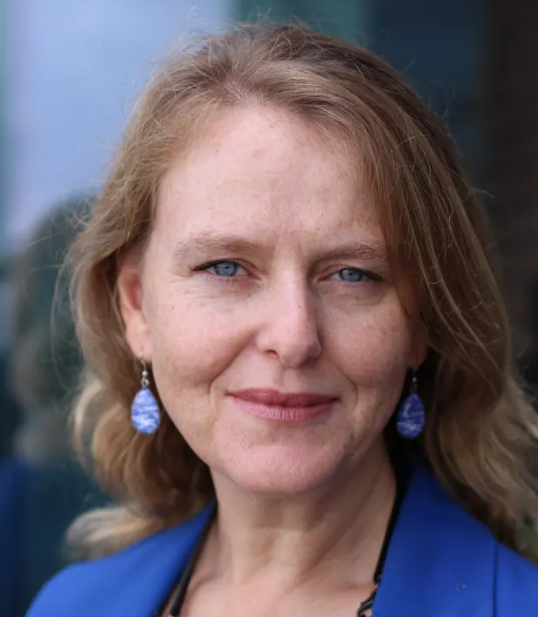
Sophi Bruce
CEO, Centre for Relational Care; Director, Adaptive Leadership Australia
Sophi Bruce
Sophi is CEO with the Centre for Relational Care and Director of Adaptive Leadership Australia. Sophi’s work centres around people, purpose, organisations and systems change. As co-founder of a systems-thinking research centre and a leader of programs and teams across a range of organisations and sectors, Sophi has developed a toolkit of human centred and practice-based methodologies that have directly contributed to national change initiatives and capability uplift in the UK and Australia. She holds an Industry Fellow role with the Institute for Public Policy and Governance at UTS where she spent a decade building leadership capacity across the public sector.
Claire Marshall
CEO, Emerge Women and Children’s Support Network
Claire Marshall
Claire Marshall is the CEO of Emerge Women and Children’s Support Network, a specialist organization in Victoria that provides refuge, crisis housing, and therapeutic support to those escaping family violence. A human rights lawyer by training, she has extensive experience in systemic reform and gender equality, having previously served as a Director for the Independent Review into the Victorian custodial system and led the legal and assessment team for victim-survivors at the Department of Justice and Community Safety (DJCS). Her career is centered on addressing the drivers of gendered violence and creating institutional change to better support marginalized communities.
Under her leadership, Emerge has focused on a “child-as-client” model, ensuring that children receive dedicated case management and therapeutic care as victim-survivors in their own right. Marshall is a strong advocate for holistic recovery, emphasizing that safety is not just about physical shelter but also about long-term financial independence and psychological healing. She holds a Juris Doctor and a Pathway to Politics Fellowship from the University of Melbourne and is the co-host of the Good Sheilas podcast, where she discusses social justice and feminist issues.

Asha Bhat OAM
CEO, Southern Aboriginal Corporation
Asha Bhat OAM
Asha Bhat OAM is the CEO of the Southern Aboriginal Corporation (SAC), where she has been a driving force for over 15 years in addressing the systemic disadvantages faced by the Noongar people of Western Australia. An Indian-born migrant who moved to Albany in 2008, she rose from a finance role to CEO in 2013, overseeing a diverse portfolio that includes housing, family violence prevention, suicide prevention, and health promotion. Under her leadership, SAC has expanded its reach significantly, providing legal and support services to thousands of vulnerable women and children and securing affordable housing for hundreds of Aboriginal people. Her work is characterized by a “business for good” approach, blending financial expertise with a deep commitment to self-determination and cultural safety.
For her extensive service to the Indigenous community, Bhat was awarded the Medal of the Order of Australia (OAM) in 2022 and was inducted into the WA Women’s Hall of Fame in 2023. She is a tireless advocate for health equity and diversity, currently serving as the Chair of the Albany Family and Domestic Violence Action Group and a volunteer leader for Share the Dignity. Her leadership has been recognized with numerous accolades, including the 2024 Australian Award for Excellence in Women’s Leadership, reflecting her status as a prominent changemaker who bridges the gap between multicultural and First Nations communities.

Sheree Schonian
Lived Experience Expert; Founder, I am Sheree
Sheree Schonian
Sheree Schonian is a prominent Lived Experience Expert, advocate, and speaker dedicated to raising awareness about coercive control and domestic family violence (DFV). Drawing from her 16-year survival of an abusive relationship that began when she was just 16 years old, she founded the platform “I am Sheree” to educate the community and empower others to recognize the subtle, non-physical signs of abuse. Her advocacy is deeply rooted in her personal journey of escaping long-term entrapment and reclaiming her independence, a narrative she shares to dismantle the stigma and “silence” that often surround victims of domestic violence.
Schonian is a key voice in Australian policy and public awareness, notably serving as a lived-experience consultant for the Western Australian Government’s $5 million “It doesn’t have to be physical” campaign against coercive control. She is also the co-author of the book “Love, Bruises & Bullsh!t,” a compilation of stories aimed at helping women identify toxic patterns and seek safety. Beyond her public speaking and advocacy, she works within the corporate sector to promote trauma-informed workplace policies, emphasizing that employers can serve as a vital lifeline for those experiencing violence at home.
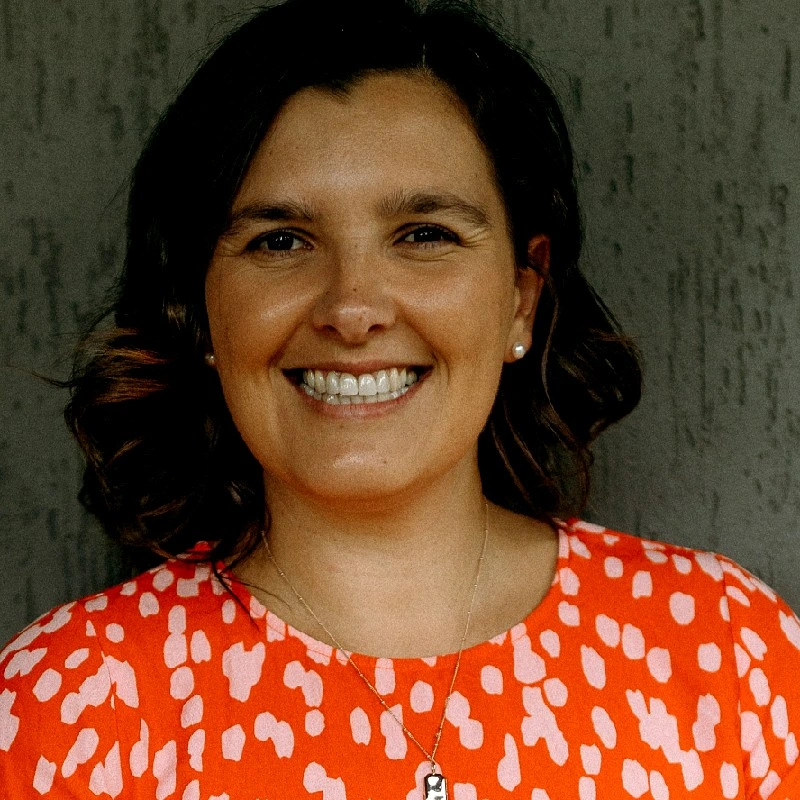
Sarah Austin
(Nee Baker)
Director, Darwin Youth Services
Sarah Austin
Sarah Austin (née Baker) is the Founder and Director of Darwin Youth Services (DYS), an organization specializing in evidence-based, culturally sensitive programs for young people across the Northern Territory. With a career dedicated to youth advocacy and community welfare, she provides trauma-informed counseling and educational workshops aimed at preventing domestic, family, and sexual violence. She is particularly noted for her work in remote communities, such as the Tiwi Islands, where she collaborated with Elders to adapt the “I Respect” and “SoSAFE!” programs to be linguistically and culturally appropriate for local students.
Her professional expertise is backed by a Bachelor of Social Science (majoring in Community Welfare and Aboriginal Studies) and a Diploma of Counselling, along with specialized training in Fetal Alcohol Spectrum Disorder (FASD) and sexualized behaviors. Driven by a vision to ensure every young person has a “voice in their corner,” Austin’s leadership at DYS focuses on early intervention and “outside the box” approaches such as using visual storytelling and animal-assisted connection to engage those who might otherwise fall through the gaps of traditional clinical settings.
Danielle Bradtke
CEO and Founder of Foundations of Hope
Danielle Bradtke
Danielle Bradtke is the CEO and Founder of Foundations of Hope, a survivor-led organisation supporting women and families recovering from family and domestic violence. As an Expert by Experience (FDV) and survivor herself, Danielle brings powerful lived insight into the realities survivors face after leaving violence and the gaps that exist in recovery support.
She is the author of There Is Hope and a national speaker and trainer, working with organisations, frontline workers, and community leaders to strengthen trauma-informed responses and long-term recovery pathways for survivors.
In 2025, Danielle was recognised for her innovation and impact, receiving Innovation Woman of the Year at the Stevie Awards.
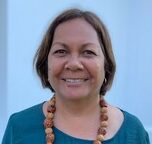
Sandra Creamer AM
CEO of Australian Women’s Health Alliance.
Sandra Creamer
Sandra Creamer is a proud Waanyi and Kalkadoon woman, an Adjunct Professor at the University of Queensland, and a globally recognized advocate for the rights of Indigenous women and girls. As a lawyer and long-standing activist, she serves as a key architect in national safety strategies, holding membership on the National Plan to End Violence against Women and Children 2022–2032 and serving as the Chairperson of the Aboriginal and Torres Strait Islander Advisory Council for the associated Action Plan (2023–2025). Her work is deeply rooted in the intersection of human rights and gender-based violence, ensuring that federal policies are culturally grounded and address the disproportionate impact of violence on First Nations communities.
Beyond her domestic leadership, Creamer has an extensive international profile, having served as the CEO of the National Aboriginal and Torres Strait Islander Women’s Alliance (NATSIWA) and as a board member for the International Indigenous Women’s Forum (FIMI). She frequently represents Indigenous interests at the United Nations, advocating for the implementation of the Declaration on the Rights of Indigenous Peoples. Her academic and professional contributions focus on empowering Indigenous women through legal education, economic independence, and the dismantling of systemic barriers, earning her a reputation as a fierce defender of communal and individual self-determination.
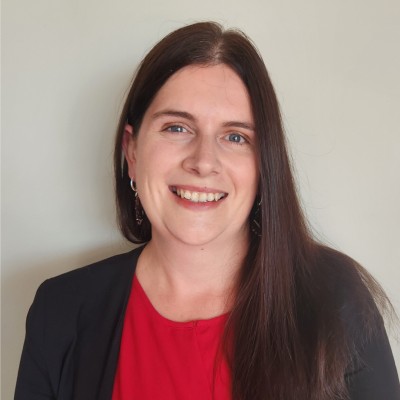
Monica Miller
Principal Solicitor at Southern Aboriginal Corp
Monica Miller
Monica Miller is the Principal Solicitor at Southern Aboriginal Corporation (SAC), where she leads the delivery of vital legal services to the Aboriginal community in the Great Southern region of Western Australia. With a focus on social justice and advocacy, she oversees a practice that provides culturally safe legal advice and representation across various areas of law, including family, civil, and criminal matters. Under her leadership, the legal team at SAC works to address the systemic barriers faced by Indigenous Australians, ensuring that clients receive high-quality support that is sensitive to their unique cultural backgrounds and lived experiences.
Beyond her administrative and legal oversight, Miller is recognized for her commitment to community empowerment and the protection of human rights. Her role involves collaborating with local stakeholders and government bodies to improve legal outcomes and promote equity within the justice system. By fostering an environment of trust and accessibility, she plays a pivotal role in SAC’s mission to enhance the well-being and legal standing of the Noongar people and the broader Aboriginal community.
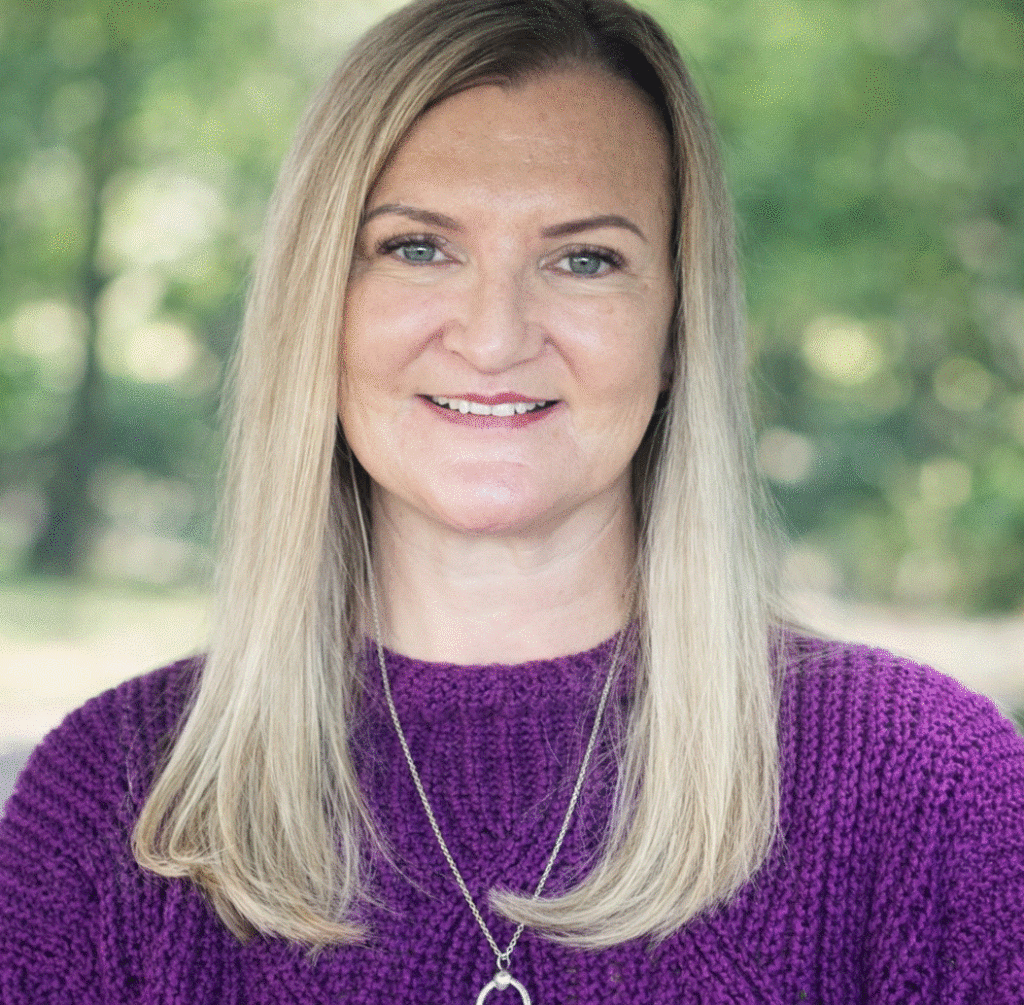
Nicole Edwards
Sexual Violence and Child Abuse Advocate and former police officer with 17 years of frontline experience.
Nicole Edwards
Nicole Edwards is a Sexual Violence and Child Abuse Advocate and former police officer with 17 years of frontline experience, including five years specialising in child sexual abuse investigations. Her policing career involved complex investigations, victim engagement, and navigating institutional responses to serious interpersonal violence, giving her a strong understanding of accountability, decision making, and system pressures in high risk environments.
Nicole brings a rare dual perspective through both her professional background and her lived experience of domestic violence, sexual violence, and child sexual abuse. This combination informs a strong commitment to trauma informed, survivor centred practice and meaningful system improvement. She is known for thoughtful analysis, clear communication, and a principled approach to work in complex and sensitive settings, with experience contributing to advocacy, policy, program development, and engagement with people impacted by violence.
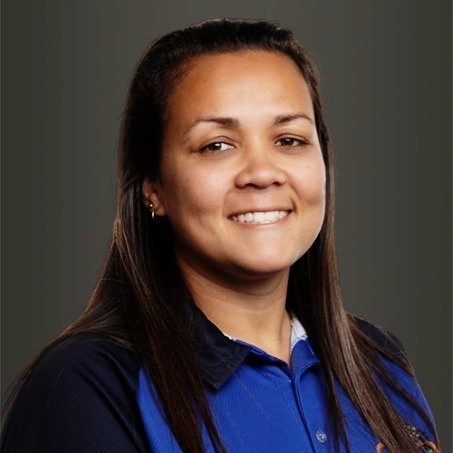
Tamara Creamer
Tamara Creamer
Tamara Creamer serves as the First Nations Lead at the Queensland Family and Child Commission (QFCC), where she plays a pivotal role in advocating for the rights, safety, and wellbeing of Aboriginal and Torres Strait Islander children and families. With a deep commitment to cultural safety and systemic reform, she provides strategic leadership to ensure that First Nations perspectives are integrated into the QFCC’s oversight and policy functions. Her work focuses on addressing over-representation within the child protection system and fostering genuine partnerships with communities to drive self-determination and improved outcomes for the next generation.

Sarah Barnbrook
CEO,Away from Keyboard Inc; Advisor, National Council of Women Victoria; Company Secretary, Australian Gender Equality Council (AGEC)
Sarah Barnbrook
Sarah Barnbrook is an award-winning international advocate, charity leader, and digital safety expert. She is the Founder and CEO of Away from Keyboard (AFK) Inc., a not-for-profit dedicated to reducing social isolation and digital distress by encouraging real-world connections and advocating for ethical technology. Her leadership in this space focuses on “safety-by-design,” trauma-informed AI governance, and protecting children and vulnerable communities from technology-facilitated harm. Her contributions to the sector were globally recognized in 2025 when she received the Volunteer of the Year and Youth Impact honors at the Women Changing the World Awards in London.
In addition to her work with AFK, Barnbrook holds several strategic governance and advisory roles. She serves as an Advisor to the National Council of Women Victoria (NCWV), where she provides expertise on human rights, ICT, and regional women’s issues. As the Company Secretary for the Australian Gender Equality Council (AGEC) and the Chief Revenue Officer for Women 4 STEM, she actively champions gender equity and the progression of women in science and technology. Her advocacy extends to the international stage as a delegate to the United Nations Commission on the Status of Women (CSW), where she has delivered workshops on the unseen risks of AI for girls.
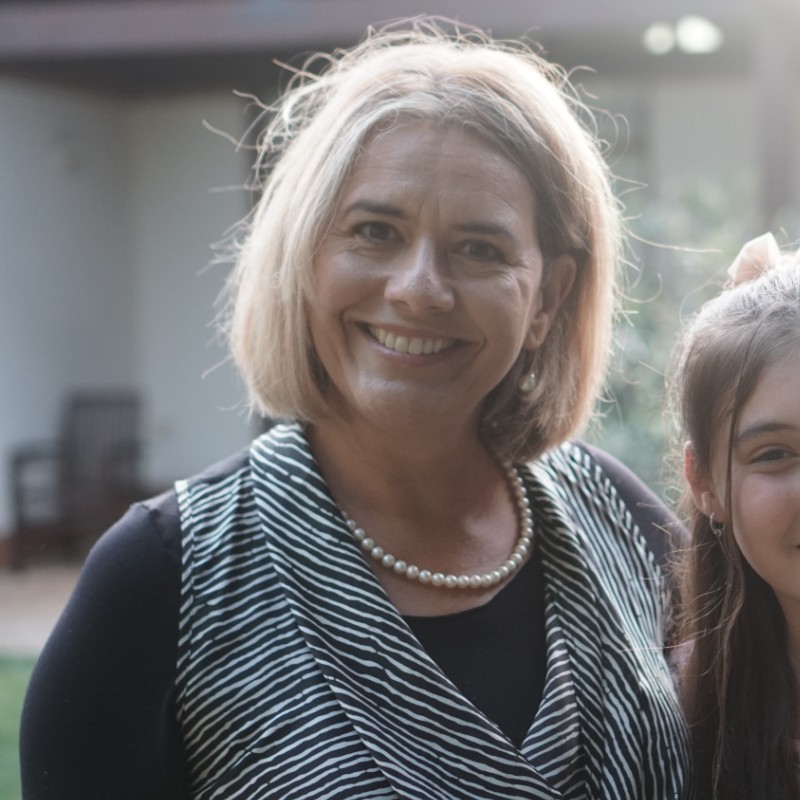
Andrea Musulin
Founder, WA Child Protection Society and The Child Focused Safety Service WA ; Director Safeguarding Program, Catholic Archdiocese of Perth and Safeguarding Lead Police and Community Youth Centres.
Andrea Musulin
Andrea Musulin is a prominent child protection advocate and the Founder of the WA Child Protection Society and Child Focused Safety Services WA, organizations dedicated to preventing child abuse through community-led education. A former police officer with 30 years of service, she transitioned from frontline law enforcement to prevention-based advocacy, becoming a pioneer of the Protective Behaviours program in Western Australia. She is widely recognized for her innovative “place-based” approach to safety, which includes authoring locally-informed storybooks like Keeping Kids Safe in Carnarvon to help children connect with safety messages through familiar landscapes and culturally grounded storytelling.
In addition to her foundational work in the non-profit sector, Musulin serves as the Director of the Safeguarding Program for the Catholic Archdiocese of Perth, where she established a national-leading framework to protect children and vulnerable adults following the findings of the Royal Commission. Her leadership extends to her role as the Safeguarding Lead for the Police and Community Youth Centres (PCYC), where she ensures that youth environments remain secure and empowering. An inductee into the WA Women’s Hall of Fame, Musulin’s career is defined by her “policing to prevention” philosophy, focusing on empowering children with the vocabulary and confidence to speak up against harm.
-
Panel 1: Every Child Visible - Closing the Gaps Between Systems, Borders and Services
Given that the 2026 summit found children routinely falling between child protection, health, justice, education and family violence systems, what structural changes, shared data practices and cross-sector commitments are needed to ensure every child is seen, heard and responded to as a victim-survivor in their own right, no matter where in Australia they live?
-
Panel 2: First Nations Leadership and Self-Determination: Moving from Consultation to Governance
How can Aboriginal and Torres Strait Islander communities move from being consulted within government-designed systems to genuinely leading them, through funded community-controlled governance, co-commissioning models and self-determined responses to family violence and child safety?
-
Panel 3: Recognising the Pattern - Early Identification of Coercive Control and Coordinated Accountability for People Who Use Violence
Given that 65% of 2026 summit participants said coercive control is rarely recognised before crisis, and that cross-sector accountability for people who use violence was rated the weakest point in the entire system, how can justice, health, community and legal services build a shared, pattern-based response that intervenes earlier and holds people who use violence accountable across every system simultaneously?
-
Panel 4: Nowhere Safe to Go - Solving the Housing, Health and Economic Crisis for People Escaping Violence
With 91% of 2026 summit participants rating Australia's crisis housing supply as critically or very inadequate, and with First Nations, CALD, regional and remote communities facing the greatest barriers, how can housing, health, income support and community services work together to ensure that leaving violence does not mean choosing between homelessness, poverty or staying?
-
Panel 5: Prevention in the Digital Age: Building Cultures of Respect When Harm Starts Online
As technology-facilitated abuse grows and online environments increasingly shape attitudes toward power, control and relationships, how can education systems, community organisations, workplaces and platforms work together, alongside young people and lived-experience voices, to prevent violence before it starts and protect children and families in digital spaces?
-
Panel 6: From Fragmented to Connected - Building One Accountable National System for Child and Family Safety
With 91% of 2026 summit participants rating Australia's national child and family safety system as fragmented and zero rating it as well coordinated, what will it actually take to move from a patchwork of state and sector responses to one connected, data-informed and accountability-driven national system that safety-follows every child and family wherever they go?
Playlist
27:10
46:51
46:41
29:14