
Communal Leadership and the Future of Community Building
Strong communities are not built from a distance. They are built through presence, trust and genuine connection. In this conversation, the idea of communal leadership comes forward as a powerful way to understand how local leaders can connect with people from different backgrounds, listen to their concerns and encourage more community members to step into leadership.
Rather than seeing diversity only as a label, the discussion moves towards something deeper: how do we create a society where every person feels they belong, contributes and is seen as part of one shared community?
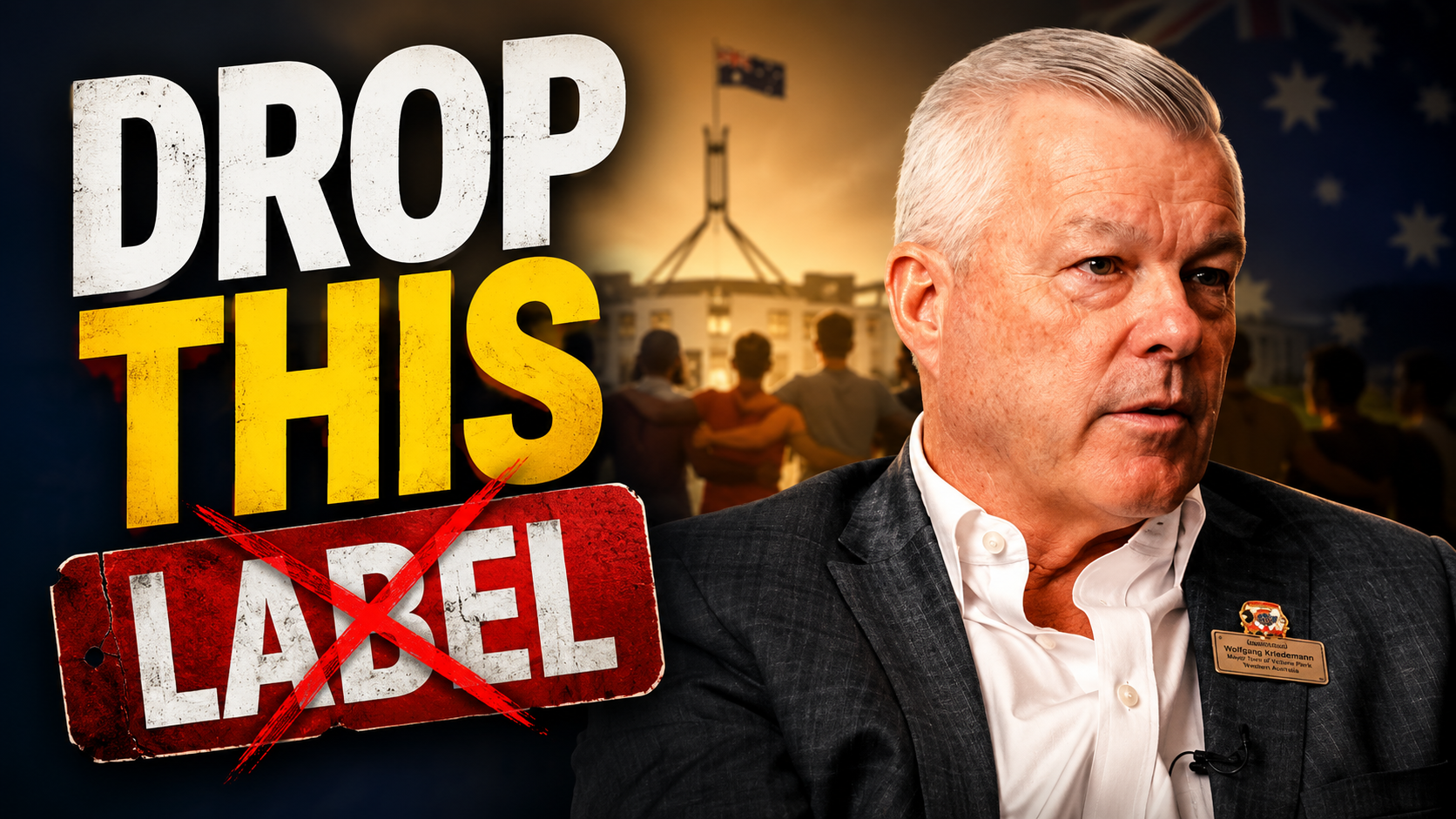
What Is Communal Leadership?
Communal leadership is about being present in the community rather than simply speaking on behalf of it. It means turning up, listening carefully and understanding people through their lived experiences.
This kind of leadership is not only about policies or speeches. It is about knowing the people who volunteer, organise, advocate and quietly keep local communities moving. Many future leaders are already doing the work long before they hold any official title.
When a leader is deeply connected to local groups, sporting clubs, cultural associations, schools, care organisations and neighbourhood networks, they can better recognise who has the trust, values and commitment to represent the community well.
Diversity of Ideas Starts With Diversity of Experience
When people come from different backgrounds, they bring different ideas, value systems and ways of solving problems. This can make a community stronger, more creative and more resilient.
Diversity is not only about culture or language. It is also about life experience, work, family, faith, age, education and personal history. When these different perspectives are included in decision-making, communities are more likely to find practical solutions that reflect real needs.
The challenge for leaders is not just to celebrate diversity from the outside. It is to understand people deeply enough to know what matters to them and how they want to contribute.
Watch the complete Podcast
Moving Beyond Labels
One of the most striking parts of the conversation is the idea that one day, we may no longer need to keep describing communities as “multicultural”. The point is not to ignore people’s heritage or identity. It is to ask whether the final aim should be belonging without constant labelling.
If someone is an Australian citizen, they should not feel like a migrant for their whole life. They should feel welcome, equal and part of Australian society.
This is a thoughtful and important point. Labels can be useful when they help us understand gaps, recognise communities or address disadvantage. But they can also become limiting if they keep people separate in language, even when the goal is unity.
From Multicultural Community to One Community
The phrase “my multicultural community” may be well intended, but the deeper aspiration is to simply say “my community”. That shift matters.
It suggests a future where people are not constantly divided into categories, but recognised as neighbours, citizens, families, workers, carers, volunteers and leaders. In that future, difference still exists and is respected, but it does not become a barrier to belonging.
Australia’s strength has always been shaped by people from many backgrounds. The next step is to ensure that everyone feels they are not standing outside the national story, but fully part of it.
Why Belonging Matters in Local Leadership
Belonging is one of the most important foundations of healthy communities. When people feel they belong, they are more likely to participate, volunteer, speak up and take responsibility for the future of their neighbourhoods.
Local leadership plays a major role in creating that feeling. A mayor, councillor, community organiser or service provider can either make people feel included or make them feel like outsiders.
Simple actions matter. Turning up to community events, listening without judgement, encouraging new voices and inviting people into leadership can all help build trust.
Encouraging Community Members to Lead
Many capable leaders are already active in their communities. They may be running local groups, supporting families, organising events, helping new arrivals, volunteering in care services or speaking up on local issues.
The role of established leaders is often to recognise these people and encourage them to take the next step. That might mean running for council, joining a board, leading a community project or becoming an advocate in the care sector.
Leadership does not always begin with ambition. Sometimes it begins with service.
Why This Conversation Matters for Australia’s Care Sectors
The themes of community, belonging and leadership are deeply connected to the future of care in Australia. Whether we are talking about NDIS, aged care or childcare, the question is the same: how do we build systems that treat people with dignity and make them feel included?
Care is not just a service. It is a relationship between people, families, workers, providers and communities. For care systems to work well, they need leaders who understand diversity, listen deeply and see people beyond labels.
In the NDIS, aged care and childcare sectors, belonging is not an abstract idea. It affects how services are designed, how families are supported and how vulnerable people experience everyday life.
Building Human-Centred Systems
A human-centred system begins with the person, not the label. It asks what people need, what they value and how they want to live.
This applies to migrants, older Australians, people with disability, children, families and workers across the care economy. When leadership becomes more communal, care becomes more personal, responsive and fair.
The future of Australian communities depends on whether we can bring these ideas together: strong local leadership, inclusive public service and care systems that see the whole person.
Final Thoughts
This conversation reminds us that leadership is not only about representation. It is about belonging. It is about helping people feel that they are not separate from the community, but part of it.
The goal is not to erase difference. The goal is to build a society where difference does not stop anyone from feeling fully included. Perhaps the strongest communities are those where people no longer need to be introduced through labels, because they are already recognised as part of one shared story.
Join the National Care Sectors Conference 2026
To continue this important conversation, we invite you to attend the National Care Sectors Conference: NDIS, Aged Care & Childcare on 28 August 2026.
Join us for a moving and inspiring event that brings together leaders, providers, policymakers, advocates, carers and community voices from across Australia. The conference will explore how we can build stronger, fairer and more human-centred systems across disability support, aged care and childcare.
If you care about community leadership, inclusion, NDIS, aged care, childcare and the future of Australia’s care economy, this is a conversation you should be part of.