
Dementia Care in Australia: Why Families Need Better Navigation Across NDIS and Aged Care
Dementia is not only a health condition. It is a deeply human issue that affects individuals, families, carers and communities. When someone is living with dementia, the family often has to learn a new language of care, support systems, assessments, funding, medical appointments and daily changes in behaviour, memory and independence.
For many families, the hardest part is not only understanding dementia itself. It is knowing where to go, who to call and which system is meant to support them.
In Australia, people living with dementia may need to navigate either the NDIS or the aged care system, depending on their age. This creates real challenges, especially when families are already under emotional, practical and financial pressure.
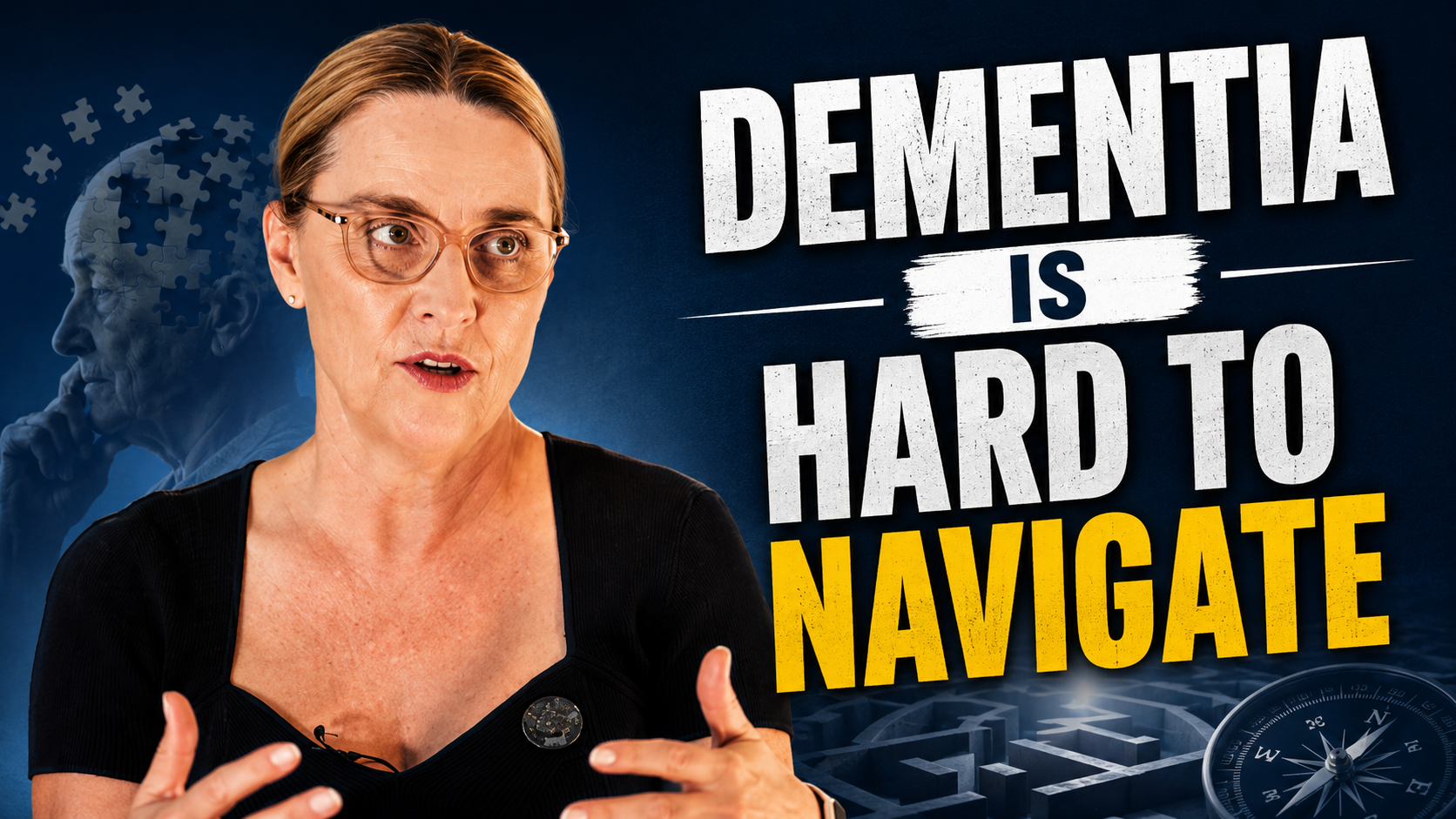
Dementia and the Challenge of Navigating Two Systems
One of the most important things families need to understand is that dementia support can sit across different systems.
If a person is diagnosed with young onset dementia and is under the age of 65, they may need to access support through the National Disability Insurance Scheme, known as the NDIS. If they are over the age of 65, they generally need to navigate the aged care system.
On top of this, people living with dementia may also need help from their GP, hospitals, community health services, allied health professionals and other support providers. For families, this can quickly become confusing.
Even at the best of times, these systems can be difficult to understand. When a person is living with cognitive impairment, the process becomes even harder. Forms, assessments, eligibility rules, changing needs and service delays can create added stress for both the person living with dementia and their carers.
Why Dementia Navigation Support Matters
Families often need more than information. They need guidance.
Dementia navigation support can help people understand the condition, connect with the right services and access care in a timely way. Many people still do not fully understand dementia, including how it affects memory, communication, decision-making, behaviour, independence and relationships.
This lack of understanding can lead to delays, miscommunication and missed support.
A better navigation system would help families move through diagnosis, planning, care options, NDIS access, aged care pathways, allied health support and community services with more confidence. It would also reduce the burden on families who are often left to coordinate everything themselves.
Watch the complete Podcast
Young Onset Dementia and the NDIS
Young onset dementia brings unique challenges. A person may still be working, raising children, paying a mortgage or actively involved in community life when symptoms begin.
Because young onset dementia affects people under 65, the NDIS can play an important role. However, not everyone with young onset dementia receives NDIS support. Some people fall through the cracks because dementia is not always well understood in disability planning and assessment.
Dementia is a progressive neurological condition. It is not stable. A person’s needs can change over time, sometimes quickly. This means support plans must be flexible and responsive.
For the NDIS to work well for people living with dementia, planners and assessors need a strong understanding of dementia as a disability. They need to understand that support needs will change, and that timely adjustments can make a major difference to safety, independence and quality of life.
Dementia, Aged Care and the Need for Person-Centred Support
For people diagnosed after the age of 65, the aged care system becomes the main pathway for support. This may include home care, residential aged care, respite, allied health and other community supports.
The goal should always be person-centred care. This means looking at the whole person, not just the diagnosis. It means understanding their routines, relationships, culture, language, home environment, preferences and human rights.
For families, aged care can feel overwhelming. Knowing when to apply, what level of support is available, how assessments work and how to choose providers can be difficult. When dementia is involved, delays or confusion can have serious consequences for the person and their carers.
The Role of GPs and Allied Health Support
Dementia should also be recognised and supported as a chronic condition. This means GPs have an important role in helping families plan care early.
People living with dementia may benefit from allied health support, including occupational therapy, physiotherapy, speech pathology, psychology, social work and other services depending on their needs.
These supports can help people maintain independence, manage changes, improve safety at home and support carers. They can also help families prepare for what may come next.
A stronger link between primary care, aged care, disability support and community services would make the experience easier and more humane.
Where the System Leaves Gaps for Families
Many families step in because the system does not always provide clear or timely support. They become care coordinators, advocates, appointment managers, transport providers, emotional supports and decision-makers.
This unpaid work often falls on family members who may also be working, raising children or managing their own health.
The gaps are not only practical. They are emotional too. Families need education, respite, counselling, peer support and clear guidance. They need someone to explain what dementia means now and what it may mean in the future.
When families are left without support, the pressure can become overwhelming.
Building a Better Dementia Care Pathway
Australia needs a more connected dementia care pathway across NDIS, aged care, health and community services.
This means better training for planners, assessors and providers. It means stronger dementia navigation services. It means faster access to allied health and better chronic condition management. Most importantly, it means designing support around the person and their family, not around separate systems.
Dementia care should be easier to access, easier to understand and more compassionate.
Families should not have to fight through complexity while also caring for someone they love.
Join Us at the National Care Sectors Conference 2026
Dementia care sits at the heart of the wider conversation about NDIS, aged care and community support. As Australia’s care sectors continue to change, we need honest conversations about what is working, where the gaps remain and how we can build systems that truly support people.
Join us for the National Care Sectors Conference: NDIS, Aged Care & Childcare on 28 August 2026. This moving and inspiring event will bring together leaders, providers, policymakers, carers, advocates and community voices to explore the future of care in Australia.
Be part of the conversation shaping better systems, stronger services and more compassionate outcomes for people, families and communities.