
Child Safeguarding Must Start With One Clear Principle: Children Come First
Child safeguarding is not just a policy area. It is a human responsibility. When we talk about protecting children, especially in institutions, faith settings, care services and community spaces, the conversation must always return to one simple question: are children truly at the centre of every decision?
In a powerful conversation with Dev Singh, the discussion explored what it means to lead safeguarding work in complex systems where tradition, hierarchy and resistance can often stand in the way of change. The focus was clear. Keeping children safe requires more than good intentions. It requires strong leadership, honest conversations, practical safeguards and the courage to challenge systems that have failed vulnerable people in the past.
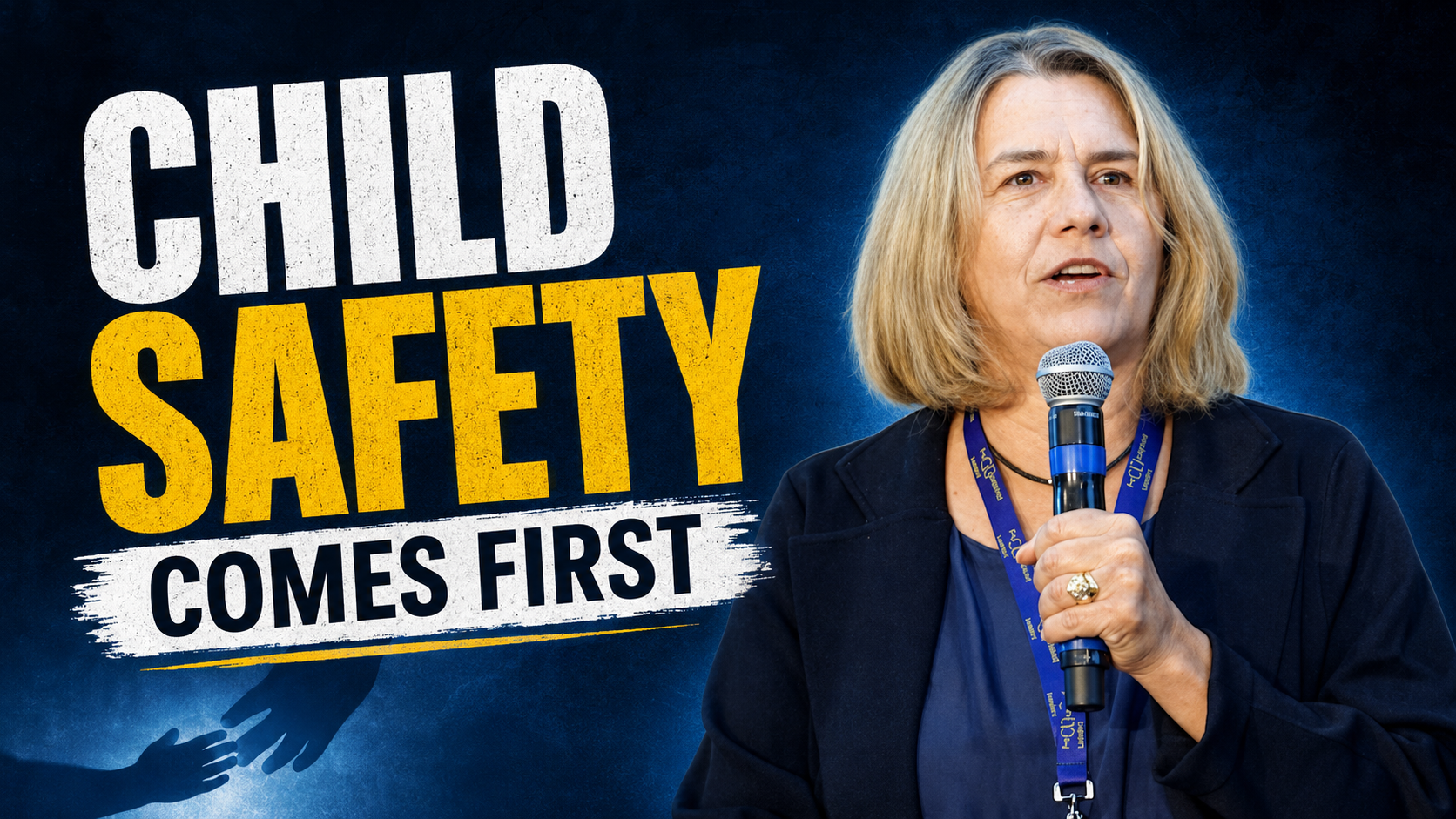
Why Safeguarding Conversations Can Be Difficult
The conversation highlighted a confronting reality. Some environments that are meant to offer care, belonging and community can also become places where risk needs to be carefully managed. This is especially true when organisations must deal with people who have previously caused harm.
One of the most difficult examples discussed was the issue of child sex offenders attending religious services. In some settings, they may still be allowed to attend mass or worship. The question then becomes not whether the situation is uncomfortable, but how safety is created when that person is present.
This is where safeguarding becomes practical. It is not enough to say that children matter. Organisations must put clear boundaries, agreements and safety measures in place. That might include attendance agreements, restrictions on activities, supervision requirements and strong accountability.
The safety of children must always come first.
Safeguarding Is Built Through Clear Boundaries
A key point from the conversation was that safeguarding is not about vague promises. It is about real rules that protect real people.
In the example shared, a known offender wanted to attend mass but did not want to sign a church attendance agreement. The response was firm. Without the agreement, attendance would not be allowed. The agreement was not about punishment. It was about making sure children and families could be protected.
This matters across the care sector too. Whether we are talking about childcare, aged care, disability support, faith communities or community services, safeguarding only works when boundaries are clear and consistently followed.
People need to know what is allowed, what is not allowed, who is responsible and what happens when rules are breached.
Watch the complete Podcast
Why Conversations Matter in Safeguarding Leadership
The most powerful part of the discussion was the role of conversation.
Change does not always happen through policy alone. It often happens when leaders sit down with stakeholders, explain the risks, listen to concerns and keep bringing the conversation back to the people who need protection.
In safeguarding, not everyone will understand the need for strong measures on day one. Some may see them as excessive. Others may feel uncomfortable with the level of control required. But when children are involved, discomfort cannot be the reason we lower the standard.
Good safeguarding leadership requires patience, clarity and courage. It means explaining why safety measures exist, not once, but as often as needed.
Lessons for NDIS, Aged Care and Childcare
Although this conversation focused strongly on child safeguarding, the lessons apply across the wider care sector.
In the NDIS, people with disability need services that are safe, respectful and accountable. In aged care, older Australians need dignity, protection and care that is centred on their rights and wellbeing. In childcare, families need confidence that children are safe, seen and protected at every level.
Across all these sectors, the same principles apply:
Safety must come before convenience.
People must be placed at the centre of the system.
Organisations must take responsibility for risk.
Policies must be understood, not just written.
Safeguarding must be part of the culture, not just a compliance task.
When care systems become too focused on process, funding, hierarchy or reputation, the people they are meant to protect can be pushed to the side. That is why human-centred care is so important.
The Need for Accountability in Care Settings
One of the strongest messages from the conversation was that organisations must not avoid difficult situations. Safeguarding requires accountability, especially when the risks are uncomfortable to discuss.
Accountability means asking hard questions.
Who is responsible for protecting children?
How are known risks managed?
Are staff and volunteers properly trained?
Are families informed and supported?
Are vulnerable people believed when they speak up?
Are policies being followed in real life?
These questions are essential not only in child protection, but also in aged care, disability services and community care. A safe sector is not created by silence. It is created by openness, responsibility and action.
Building a Safer Future for Care in Australia
Australia’s care sectors are changing. The NDIS continues to evolve. Aged care reforms are reshaping how older people are supported. Childcare remains central to the wellbeing of children, families and communities.
But reform must not only be about systems. It must be about people.
The future of care must be built around trust, dignity, safety and lived experience. That means bringing together leaders, providers, policymakers, advocates, families and communities to have honest conversations about what needs to change.
Safeguarding is not separate from care. It is part of care.
When we protect children, people with disability, older Australians and vulnerable communities, we protect the integrity of the whole sector.
Join the National Care Sectors Conference 2026
To continue this important conversation, we invite you to attend the National Care Sectors Conference: NDIS, Aged Care & Childcare on 28 August 2026.
Join us for a moving and inspiring event that brings together leaders, advocates, providers, policymakers and community voices across Australia’s care sectors. Together, we will explore the future of NDIS, aged care and childcare, with a focus on safety, reform, leadership, human rights and person-centred care.
If you work in care, lead a service, support families, influence policy or care deeply about building safer and more compassionate systems, this conference is for you.
Be part of the conversation. Be part of the change.