
Breaking Communication Barriers Through Human Connection
Communication rarely breaks down all at once. It usually happens slowly, through unresolved tension, repeated misunderstandings and conversations that become harder to start.
At work, in families or within personal relationships, people can reach a point where they no longer see eye to eye. Each person may feel unheard, frustrated or unwilling to take the first step towards repairing the relationship.
When this happens, forcing another difficult conversation may not always be the best place to begin. Sometimes people need to step away from the conflict and reconnect as human beings first.
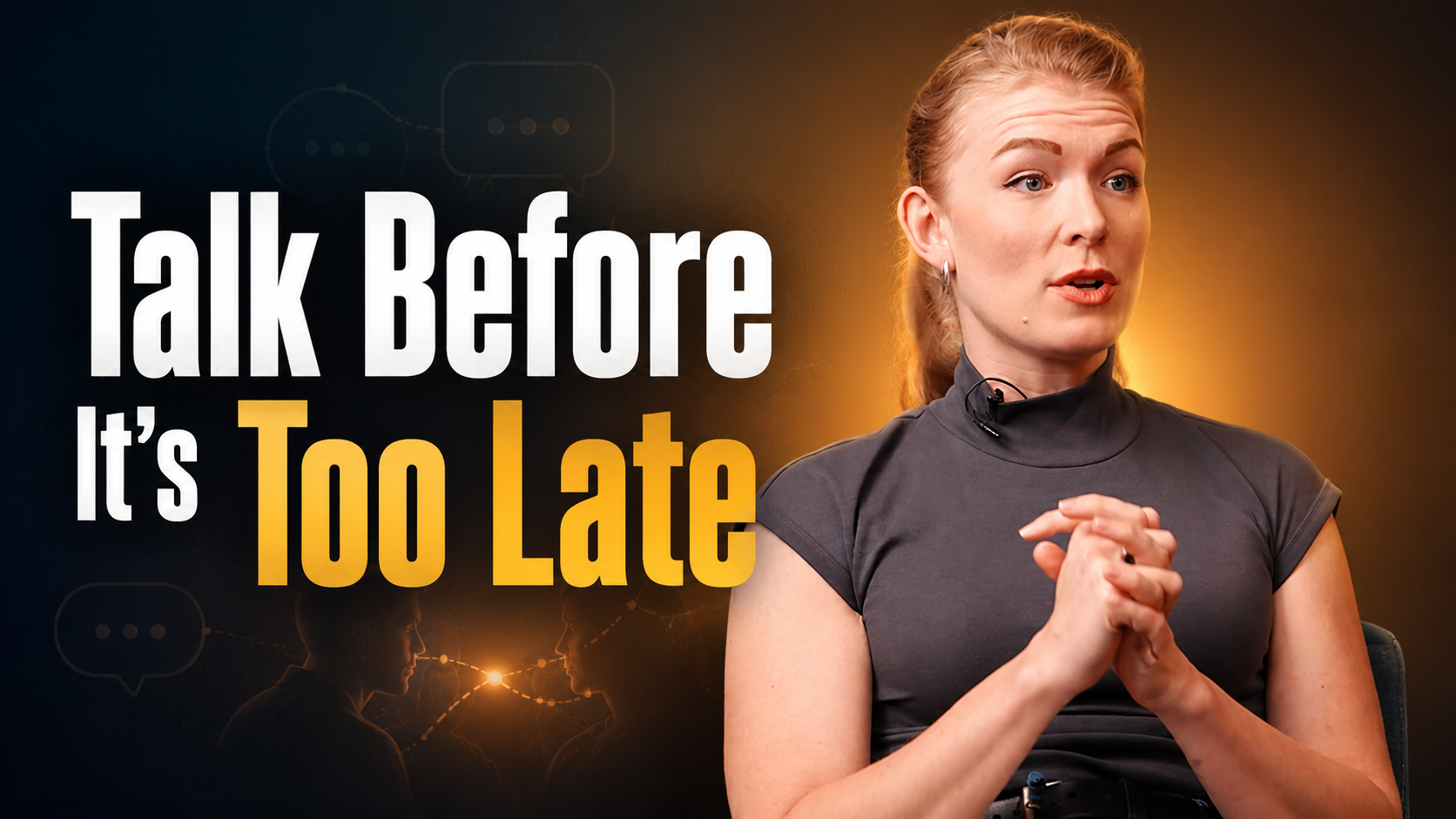
Why Communication Breakdowns Become Difficult to Resolve
When disagreement continues for a long time, people can become trapped in familiar patterns.
One person becomes defensive. Another withdraws. The same arguments are repeated, but nothing changes. Eventually, the relationship becomes defined by the conflict rather than by the people involved.
This can happen because both sides are focused on proving their point instead of understanding the other person’s experience.
Breaking this pattern requires more than better words. It requires trust, curiosity and a willingness to see the person behind the disagreement.
Finding Common Ground Through Shared Experiences
One practical way to rebuild communication is to move the conversation into a different environment.
Instead of sitting in the same meeting room where disagreements usually happen, people could go for a walk, spend time outdoors, share a meal or take part in an activity together.
A new setting can interrupt familiar patterns and reduce some of the pressure surrounding the conversation.
Shared experiences also create opportunities for people to discover common interests. They may laugh together, exchange personal stories or recognise similarities they had previously overlooked.
These moments may seem small, but they can begin to rebuild trust.
Watch the complete Podcast
The Power of a Simple Human Question
A question such as “What’s your scar?” can completely change the energy in a room.
Most people have a childhood injury, an accident or a memorable story connected to a physical scar. Once one person starts sharing, others often become curious and join the conversation.
The question works because it is personal without being overly intrusive. It encourages storytelling, humour and vulnerability.
It also reminds people that everyone carries experiences that have shaped them.
A scar may come from falling during childhood, cutting a hand while helping at home or being injured during an ordinary moment. The details are different, but the emotions are familiar. Pain, fear, embarrassment and recovery are experiences most people understand.
Remembering That We Are Human
During conflict, it is easy to reduce another person to their position, behaviour or opinion.
Shared stories help us see beyond those labels.
When people talk about their lives, they become more than colleagues on opposite sides of a disagreement. They become parents, siblings, friends and individuals with memories, fears and imperfections.
This human connection does not immediately solve every problem. However, it can create the emotional safety needed for a more honest and respectful conversation.
The simple reminder that “we all bleed red” captures this idea. Despite our differences, we share many of the same human experiences.
Communication Requires a Willingness to Change
Finding common ground only works when people are willing to participate.
Reconciliation cannot be forced. Each person needs some level of openness to listen, reflect and consider a different way forward.
When someone is deeply resistant to change, additional support may be needed. Coaching, mediation or facilitated conversations can help people understand why they feel stuck and what is preventing them from engaging.
The goal is not to pressure anyone into agreement. It is to help them recognise that a healthier relationship may still be possible.
How Leaders Can Rebuild Trust in the Workplace
Leaders play an important role in creating environments where difficult conversations can happen safely.
They can begin by acknowledging tension instead of ignoring it. They can also create opportunities for staff to connect outside formal meetings and work responsibilities.
Useful approaches include:
- Encouraging open and respectful conversations
- Creating informal opportunities for teams to connect
- Asking questions that invite personal stories
- Listening without immediately offering solutions
- Using mediation when conflict becomes difficult to manage
- Modelling empathy, honesty and accountability
Workplace culture is shaped by everyday interactions. When leaders show genuine interest in people, teams are more likely to communicate openly and address problems before they become deeply embedded.
Why Play and Humour Matter
Play and humour are sometimes dismissed as distractions, particularly in professional settings. However, they can be powerful tools for building connection.
A shared laugh can reduce tension and remind people that a disagreement does not have to define the entire relationship.
Activities such as walking, playing a casual sport or taking part in a team exercise can help people communicate more naturally. These moments create space for conversation without making reconciliation feel formal or forced.
Humour should never be used to dismiss someone’s concerns. Used thoughtfully, however, it can make difficult interactions feel more manageable.
Moving Back Into the Difficult Conversation
Human connection is not a replacement for addressing the issue.
After trust has begun to rebuild, people still need to return to the difficult conversation. The difference is that they may now approach it with more empathy, patience and curiosity.
A productive conversation may begin with questions such as:
- What has been most difficult for you?
- What do you feel has not been understood?
- What would help us move forward?
- What can each of us do differently?
- Is there any common outcome we both want?
These questions shift the focus away from blame and towards understanding and practical change.
Stronger Communication Begins With Connection
The most effective communication strategies are not always complicated.
Sometimes progress begins by changing the setting, sharing a story or asking a simple question that reminds people of their shared humanity.
“What’s your scar?” may sound like a casual conversation starter, but it can open the door to trust, humour and connection. It reminds us that everyone carries a story, and that even during conflict, there may still be common ground.
When people feel seen as human beings, they are more likely to listen, speak honestly and consider the possibility of reconciliation.
Join the National Care Sectors Conference 2026
Continue this important conversation at the National Care Sectors Conference: NDIS, Aged Care & Childcare on 28 August 2026.
Join us for a moving and inspiring event bringing together leaders, professionals and changemakers from across Australia’s care sectors. Explore new ideas, hear real experiences and take part in meaningful conversations about leadership, communication, workforce culture and the future of care.