
Ageing in Place: Why Aged Care Planning Must Keep Older Australians Connected
Australia’s population is ageing quickly, and with that comes a growing responsibility to rethink how we plan aged care, housing and community support. The question is no longer just whether we have enough aged care rooms. It is whether older Australians can remain connected to the places, people and communities they have known for most of their lives.
Ageing in place is one of the most important ideas in aged care planning. It means giving people the chance to stay in the suburb, neighbourhood or community where they have lived, worked, raised families and built relationships. For many older people, familiarity is not a luxury. It is part of feeling safe, settled and human.
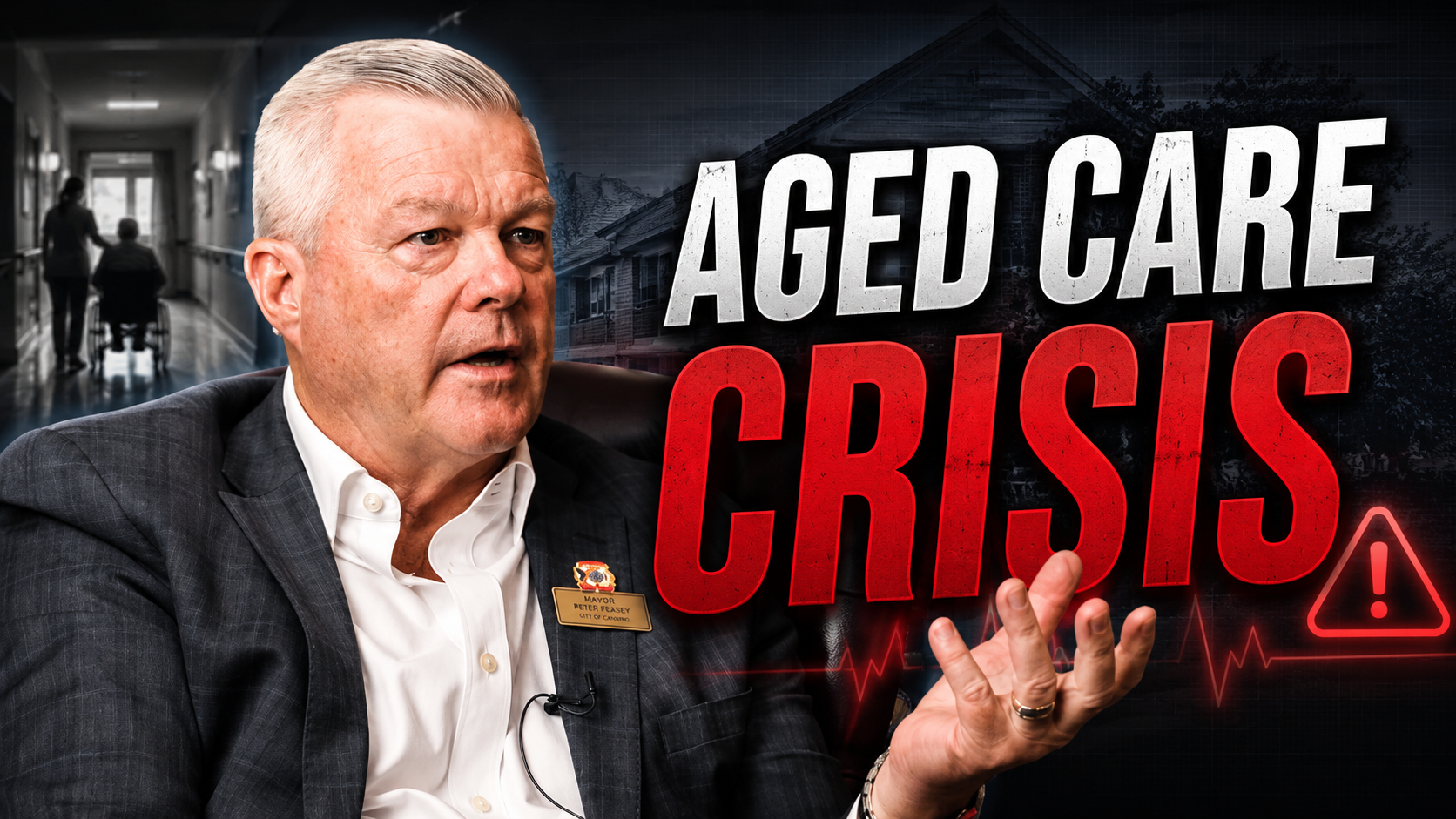
Why Familiarity Matters in Aged Care
As people grow older, familiar surroundings become deeply important. Knowing the local shops, streets, parks, neighbours, doctors, community centres and places of worship can help older people feel grounded. When someone has lived their whole life in a suburb like Thornlie, Padbury, Willetton, Rossmoyne, Riverton or Shelley, being forced to move far away can be deeply unsettling.
Aged care is not only about beds, buildings and services. It is also about identity, memory and belonging. Moving an older person away from their familiar community can increase confusion, loneliness and emotional distress, especially if they are already dealing with health challenges or cognitive decline.
This is why planning systems must consider more than supply. They must consider where aged care places are located and whether they allow people to remain close to their existing support networks.
Social Isolation Is a Serious Risk for Older Australians
Social isolation is one of the biggest issues facing elderly Australians. When people are disconnected from their community, they can lose confidence, purpose and routine. They may feel forgotten or removed from the life they once knew.
For older Australians, especially those in their 70s, 80s and beyond, being moved into an unfamiliar area can be overwhelming. It can mean new streets, new services, new faces and no sense of belonging. This is not just inconvenient. It can affect wellbeing, mental health and quality of life.
Good aged care planning should help prevent that. It should support older people to remain near family, friends, community groups and the everyday places that give their life structure and meaning.
Watch the complete Podcast
The Need for More Local Aged Care Places
Many communities have experienced a shortage of aged care facilities and rooms. When there are not enough local aged care options, older people may have no choice but to move to another suburb or another part of the city. This creates a real challenge for families, planners, providers and governments.
A strong aged care ecosystem needs a mix of options. Some people may need high-end residential care. Others may need more affordable aged care rooms, supported living, home care, community transport or flexible services that allow them to stay in their own homes longer.
The goal should be simple. Older people should not be pushed out of their own communities because the right care does not exist nearby.
Planning Communities Around Older Australians
Aged care should not sit outside community planning. It should be part of it from the beginning. When councils, developers, providers and governments plan suburbs, they should ask whether the area can support people across every stage of life.
That includes accessible housing, aged care facilities, health services, public transport, walkable streets, social spaces and community programmes. It also means recognising that older people are not separate from the community. They are part of its history, identity and strength.
When aged care is planned well, it allows elderly Australians to remain visible, valued and connected.
The Role of Local Government and Specialist Providers
Historically, many local governments played a direct role in aged care. Over time, many councils moved away from delivering aged care services because the regulatory environment became more complex. With increased compliance requirements, specialist providers are now often better placed to operate aged care services safely and lawfully.
However, this does not mean local government has no role. Councils still play an important part in planning, zoning, community infrastructure, transport, local services and social connection. They can help create the conditions for aged care providers to operate where they are most needed.
The future of aged care will require stronger collaboration between federal government, state government, local government, providers, community organisations and families.
Aged Care Must Be Built Around People
The most important principle is that aged care must be built around people, not just systems. Older Australians deserve dignity, choice and continuity. They should not have to leave their community simply because planning has failed to keep up with population ageing.
A good aged care system should ask practical human questions.
Can this person stay close to family?
Can they remain near the community they know?
Can they access the care they need without losing their sense of belonging?
Can they age with dignity in a place that still feels like home?
These questions should guide how Australia plans aged care into the future.
Join the National Care Sectors Conference on 28 August 2026
These are the kinds of conversations that matter for the future of care in Australia. From NDIS and aged care to childcare and community services, we need better systems that are built around people, not just policy.
Join us for the National Care Sectors Conference: NDIS, Aged Care & Childcare on 28 August 2026 for a moving and inspiring discussion on the future of care, inclusion, dignity and community in Australia.
This conference will bring together leaders, providers, advocates, policymakers and community voices to explore how we can build care systems that truly support people across every stage of life.