
Finding the Middle Ground: Culture, Migration and Belonging in Australia
Migration is never only about moving from one country to another. It is also about identity, belonging, language, family, values and the quiet challenge of building a life between two worlds.
In this conversation, the discussion explores what it means for migrants and families to make Australia home while still holding on to their own culture. The key message is thoughtful and honest: assimilation should not mean giving up who you are, but it does require finding a middle ground.
That middle ground allows culture to continue inside families while also helping people understand and participate in the wider society around them.
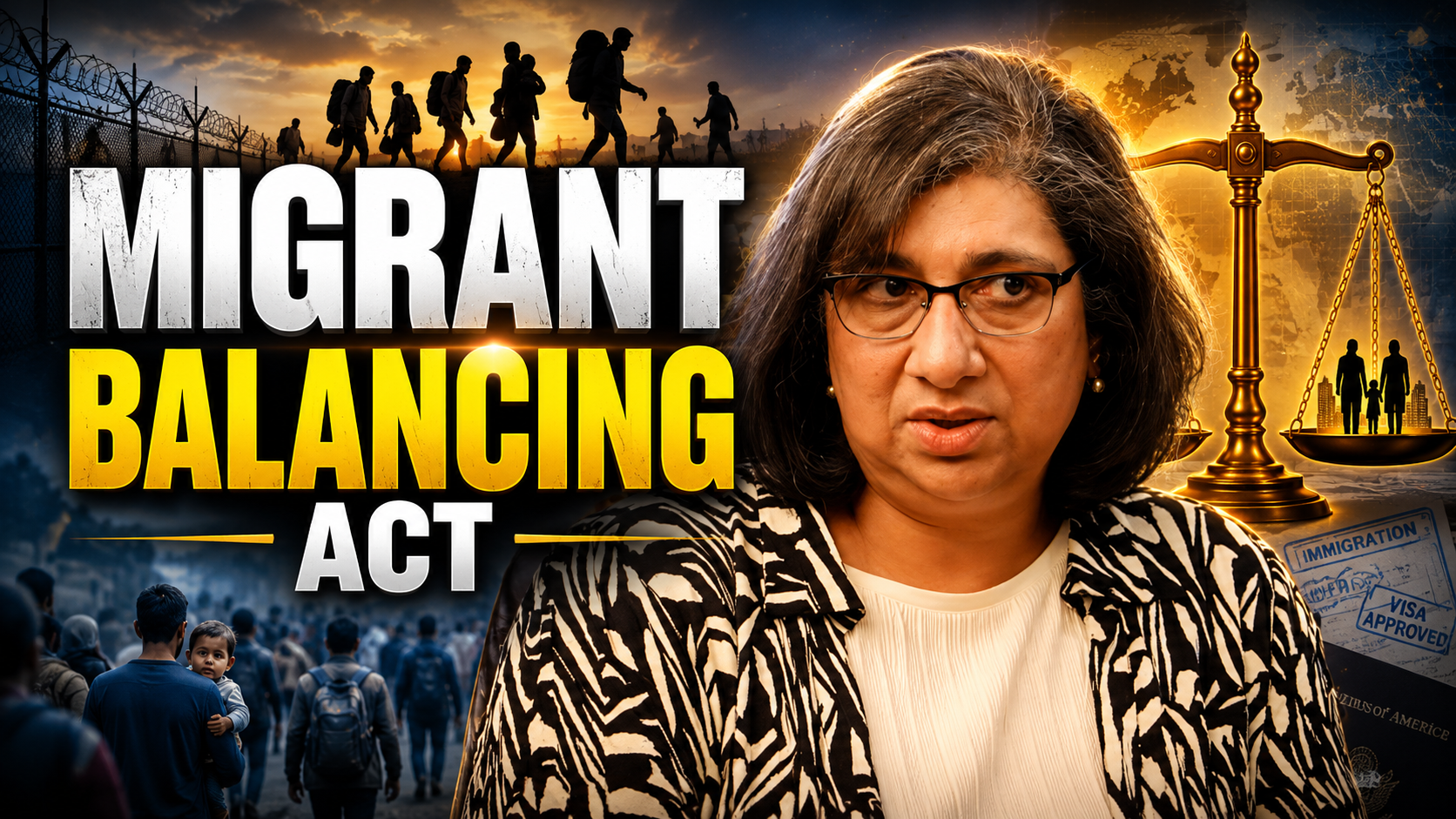
Assimilation Is About Balance, Not Erasure
When people talk about assimilation, it can sometimes sound like migrants are expected to leave their old culture behind completely. But that is not the most helpful way to think about it.
A better approach is balance.
People should be able to retain their language, traditions, food, faith, clothing, celebrations and family customs. These are meaningful parts of identity. They help families stay connected to their history and pass something valuable to the next generation.
At the same time, choosing Australia as home also means understanding the culture, expectations and social norms of the country. It means learning how public life works, how people communicate, what is considered respectful, and how to participate confidently in workplaces, schools, shops and community spaces.
Assimilation should not erase culture. It should help people belong.
Culture Inside the Home and Culture Outside the Home
One of the most important distinctions raised in the conversation is the difference between life inside the household and life outside it.
Inside the home, families may choose to speak their own language, follow cultural traditions, celebrate festivals, wear traditional clothing and live according to their own customs. That private family space matters. It is where identity is preserved and children learn where they come from.
Outside the home, there is a broader social contract. At work, in public places, in schools, in shops and in civic life, people need to understand the basic expectations of the society they are part of.
This is not about right and wrong in a harsh way. It is about understanding context. What works inside the family home may not always work in a workplace or public setting. The skill is knowing how to move between both worlds with confidence and respect.
Watch the complete Podcast
Language as a Bridge Between Generations
Language is one of the strongest links between culture and belonging.
The conversation touches on the importance of speaking Gujarati with grandchildren, even when it is not always easy. That small detail carries a bigger truth. Many migrant families want to keep their language alive, not only because it is useful, but because it carries memory, emotion and identity.
Language also matters between generations. Grandparents who migrate later in life may struggle with English. Children and grandchildren may grow up speaking English more naturally. Without a shared language, emotional distance can grow inside families.
Keeping a family language alive can help younger people connect with grandparents, understand their heritage and feel rooted in more than one culture.
At the same time, learning English is essential for participation in Australian life. It helps people access services, build friendships, find work, support children at school and feel confident in public spaces.
Both things can be true. A family language should be valued, and English should be supported.
Why Assimilation Can Be Harder for Older Migrants
For older migrants, assimilation can be especially difficult.
People become more settled in their habits, beliefs, routines and ways of life as they age. Moving to a new country later in life can be confronting. There may be language barriers, cultural differences, social isolation and a lack of confidence in navigating unfamiliar systems.
Grandparents who move to Australia with their children may find themselves in a place where they cannot easily communicate, work, travel independently or participate in the wider community. This can make them feel dependent and disconnected.
That is why family and community support are so important. Assimilation should not be treated as an individual burden. It is easier when families, communities and services help older migrants feel included, respected and supported.
Clothing, Identity and Social Context
The conversation also raises a delicate but practical point about dress.
Clothing is often tied closely to identity, faith, culture and comfort. For many migrants, traditional dress is not just fabric. It is part of who they are. But clothing can also affect how people feel they fit into different social settings.
The point is not that one form of dress is right and another is wrong. The point is context.
People may choose to wear traditional clothing in family, cultural or religious settings, while adapting what they wear in other public or professional environments. That decision is personal, and it depends on comfort, confidence and the situation.
The deeper issue is not clothing itself. It is the broader question of how people find a respectful mix between cultural identity and social participation.
Belonging Requires Effort From Both Sides
Assimilation is often spoken about as something migrants must do. But belonging is a two-way process.
Migrants do need to learn the language, understand public behaviour, respect local norms and participate in society. But the wider community also has a responsibility to welcome people, reduce isolation and make space for different cultural identities.
A healthy multicultural society does not ask everyone to become identical. It asks people to share enough common ground to live together respectfully while allowing difference to enrich public life.
Australia’s strength lies in that balance.
Civil Society and Shared Rules
Every society needs shared rules. These may include respect for others, safety, fairness, honesty, personal responsibility and how people behave in public life.
The conversation points to the importance of understanding what civil society means. This includes how people speak to each other, how they behave in shops, schools and workplaces, and how they interact in public spaces.
For migrants, understanding these expectations can make life easier and reduce misunderstandings. For the wider community, explaining these expectations with patience and respect can help people settle more successfully.
Cultural difference should not stop people from sharing basic civic values.
Migration, Care and Community Connection
Migration is deeply connected to the care economy. Migrant families often rely on childcare, aged care, disability support, education, healthcare and community services as they build their lives in Australia.
Many migrants also work across care sectors, contributing significantly to aged care, disability services, early childhood education, health and community support.
This makes cultural understanding especially important. Care services must be able to work with families from different backgrounds, languages and traditions. At the same time, migrant families need support to understand how Australian systems work.
Good care is not only about service delivery. It is also about trust, communication and cultural respect.
Final Thoughts
Migration is a journey of adjustment. It asks people to hold on and adapt at the same time.
The challenge is to keep culture alive without becoming isolated from the society around you. It is to speak the language of your family while also learning the language of your new country. It is to honour where you come from while understanding the place you now call home.
Assimilation should not mean losing identity. It should mean finding a middle ground where people can belong, contribute and still carry their culture with pride.
That middle ground is where multicultural Australia becomes strongest.
Join Us at the National Care Sectors Conference: NDIS, Aged Care & Childcare 2026
Culture, belonging and community connection are central to the future of Australia’s care sectors. Across the NDIS, aged care, childcare, disability services, early childhood education and community support, we need systems that understand people in the fullness of their lives, including their families, languages, cultures and identities.
Join us for a moving and inspiring experience at the National Care Sectors Conference: NDIS, Aged Care & Childcare 2026 on 28 August 2026.
This national conference will bring together providers, policymakers, sector leaders, advocates, educators, innovators and community voices to explore the future of care, workforce, quality, governance, inclusion, cultural safety and human-centred leadership.
Be part of the conversation shaping stronger, more inclusive and more connected care systems.