
Speaking to Camera With Confidence: The Simple Mindset That Makes Content Feel Human
Speaking to camera can feel intimidating. The lights are on, the lens is staring back, and suddenly even a simple message can feel harder to say. Many people overthink it in the last few seconds before recording. They worry about how they look, how they sound, whether they will forget their words, or whether the audience will judge them.
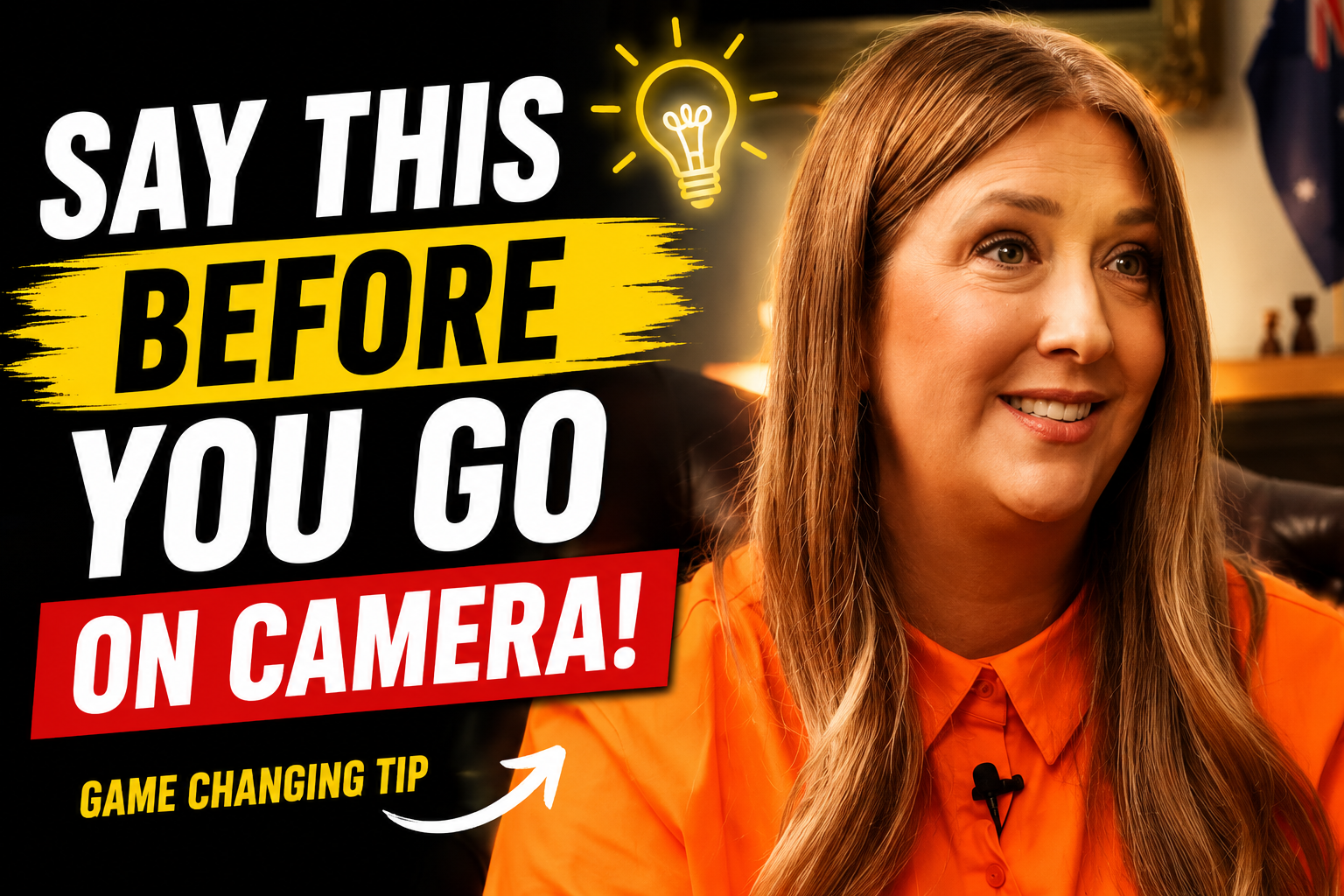
But the most powerful advice from this conversation was beautifully simple: you are only talking to one person.
That one idea can change how we show up on camera, how we create content, and how we connect with the people watching.
Why Speaking to One Person Works
When people speak to a camera, they often imagine a large audience watching them. That can create pressure. It can make the voice sound forced, the delivery feel stiff, and the message become too broad.
But if you imagine one person on the other side of the lens, everything changes.
Your tone becomes warmer.
Your words become clearer.
Your message becomes more direct.
Your presence feels more human.
This is why strong content creators, podcast hosts, business leaders and educators often speak as though they are having a conversation with one person, not performing for a crowd.
Build a Clear Audience Avatar
The advice in the conversation goes one step further: give that person a name. Build an avatar. Make them real in your mind.
In marketing, this is often called knowing your ideal audience. But in practice, it is much more human than that. It means understanding the person you are trying to help.
Who are they?
What are they struggling with?
What question are they carrying?
What do they need to hear today?
What would make this video useful for them?
When you think clearly about that one person, your content becomes more focused. You stop trying to impress everyone and start trying to serve someone.
Watch the complete Podcast
Content Should Inform, Educate or Entertain
Another strong message from the conversation is that your video should offer something useful. It should inform, educate or entertain.
That does not mean every video has to be perfect or deeply serious. It simply means there should be a reason for the viewer to stay.
A useful video might explain an idea simply.
An educational video might teach a practical lesson.
An entertaining video might make someone smile, think or feel seen.
The best content often does more than one of these things. It teaches while feeling natural. It informs without sounding dry. It entertains without losing meaning.
Why Human Content Matters More Than Ever
In a digital world full of polished clips, automated posts and short attention spans, human content stands out. People can sense when someone is speaking with intention rather than just performing.
This matters for podcast hosts, business owners, leaders, educators, advocates and people working across care sectors such as the NDIS, aged care and childcare. These are sectors built around people, trust and communication. The ability to speak clearly and humanly is not just a media skill. It is a leadership skill.
Whether you are explaining a service, sharing a story, advocating for reform or inviting people into a conversation, the same principle applies: speak to the person in front of you.
The Last 10 Seconds Before Recording
The final few seconds before going on camera can shape the whole recording. Instead of telling yourself to be perfect, tell yourself something simpler:
“I am only talking to one person.”
That self-talk reduces pressure. It brings you back to purpose. It reminds you that the video is not about performing. It is about connecting.
You do not need to sound like a newsreader. You do not need to become someone else. You just need to speak clearly to the person who needs to hear your message.
Confidence Comes From Service, Not Performance
Many people think confidence comes from being naturally charismatic. But often, confidence comes from focusing less on yourself and more on the person you are trying to serve.
When you shift the focus from “How do I look?” to “How can I help?”, your energy changes.
That is the heart of powerful communication. It is not about being loud, polished or perfect. It is about being useful, honest and present.
Final Thoughts
Speaking to camera does not have to feel overwhelming. The key is to make it personal.
Think of one person. Speak to them. Share something that will inform, educate or entertain them. Then move on.
That small mindset shift can make your videos more natural, your message more focused and your content more relatable.
In the end, great communication is not about reaching everyone at once. It is about making one person feel like you are speaking directly to them.
Join Us at the National Care Sectors Conference: NDIS, Aged Care & Childcare 2026
Clear, human communication is essential across the care sectors. Whether you work in the NDIS, aged care, childcare, disability support, early childhood education, community services or leadership, the ability to build trust through honest conversation matters.
Join us for a moving and inspiring experience at the National Care Sectors Conference: NDIS, Aged Care & Childcare 2026 on 28 August 2026.
This national conference will bring together providers, policymakers, sector leaders, advocates, innovators and community voices to explore the future of care, workforce, quality, governance, communication, inclusion and human-centred leadership.
Be part of the conversation shaping stronger, more connected care systems.