
Safeguarding Children with Disability: Why Protection Must Be Personal
Safeguarding is not just about policies, procedures or compliance. At its heart, safeguarding is about people. It is about understanding risk, creating safe environments and making sure every child receives the protection, education and support they need.
When we talk about child safety, we must also talk honestly about children with disability. They can face higher levels of vulnerability, especially when they are non-verbal, socially isolated, dependent on adults for care or unable to clearly communicate what has happened to them.
This is why safeguarding must never be one-size-fits-all. Every child is different, and every child deserves a safety response that reflects their needs, abilities and lived experience.
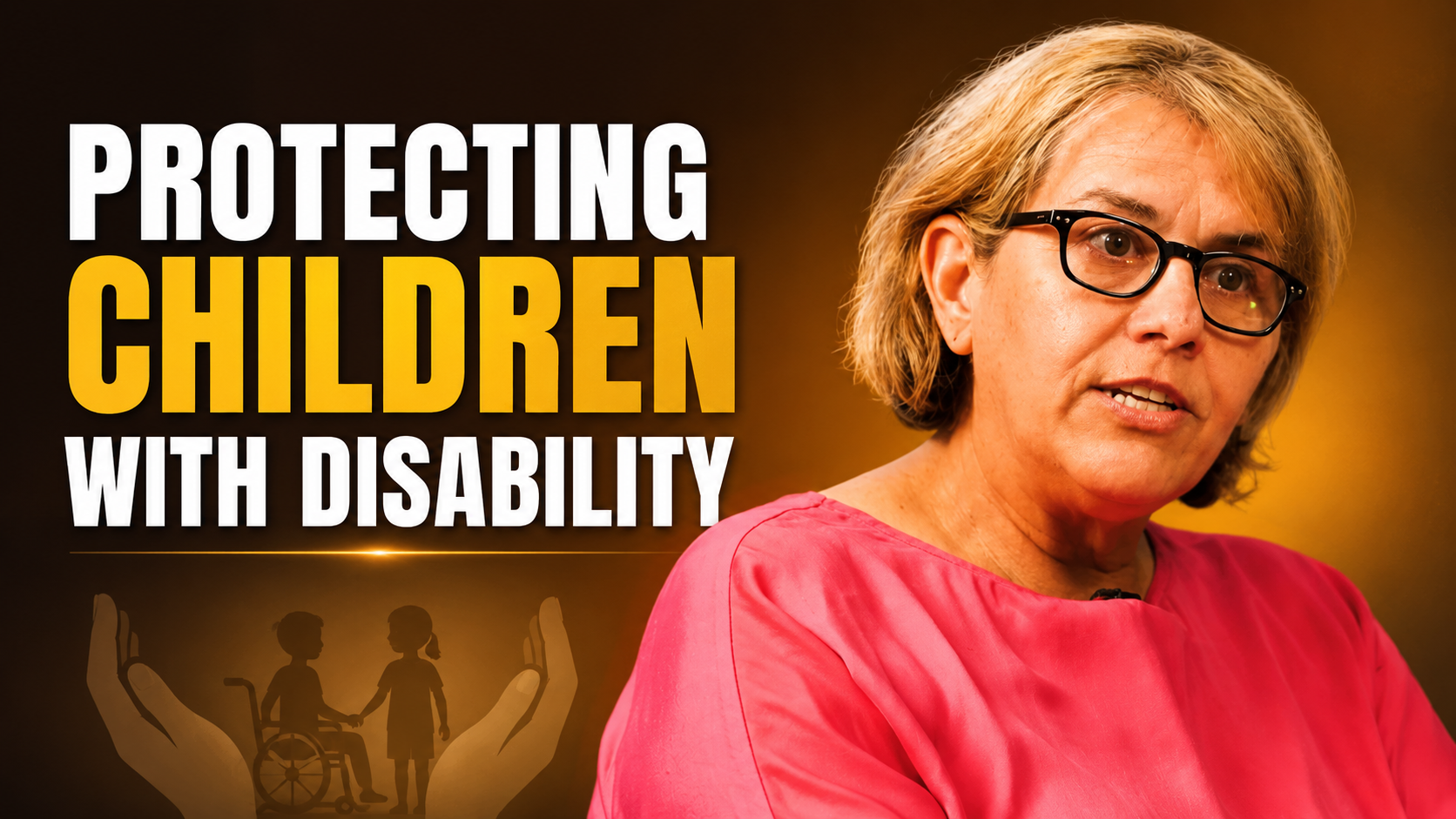
Why Children with Disability Can Be More Vulnerable
Children with disability may rely on more adults in their daily life, including carers, support workers, educators, therapists and service providers. This can create more points of contact, which means safeguarding systems must be strong, consistent and deeply understood by everyone involved.
For children who are non-verbal or have communication challenges, the risks can be even greater. They may not have the words, tools or confidence to explain when something feels unsafe. This does not make them responsible for their own safety. That responsibility always sits with adults, organisations and systems.
However, it does mean we must work harder to give children accessible ways to understand safety, express discomfort and seek help.
Education Is a Critical Safeguarding Tool
One of the most important parts of safeguarding is education. Children need to understand the language of safety in ways that make sense to them.
This includes teaching protective behaviours, body safety, boundaries, consent, trusted adults and how to respond when something does not feel right. For children with disability, this education may need to be adapted. It may need visual supports, repetition, assistive communication, sensory-aware delivery or trauma-informed approaches.
The goal is not to place responsibility on the child. The goal is to give every child the best possible tools to recognise unsafe situations and communicate their needs.
The Responsibility Belongs to Adults and Organisations
Children should never be expected to protect themselves from abuse. Safeguarding is an adult responsibility.
Organisations working with children must understand the specific risks faced by children with disability and build systems that actively reduce those risks. This means safer recruitment, staff training, clear reporting pathways, strong supervision, open communication with families and a culture where concerns are taken seriously.
It also means moving beyond minimum compliance. A service can meet the rules and still fail to understand the child in front of them. True safeguarding asks a deeper question: what does this child need to be safe?
Watch the complete Podcast
Safeguarding Must Be Tailored, Not Assumed
Every child has different needs. Some children may communicate clearly through speech. Others may use devices, gestures, behaviour, facial expressions or body language. Some may need extra time to build trust. Others may need a consistent person who understands their communication style.
This is why tailored safeguarding matters.
A child-centred approach asks:
What does this child understand about safety?
How does this child communicate discomfort?
Who does this child trust?
What extra supports are needed?
How can adults create safer environments around this child?
When safeguarding is tailored, children are seen as individuals, not as a category or a compliance requirement.
Building Safer Care Systems
Across NDIS, aged care, childcare, disability support and community services, safeguarding must be part of everyday practice. It cannot sit in a folder or only appear during training days.
It must shape how staff are recruited, how services are designed, how families are engaged and how children are heard.
For providers and leaders, this requires courage. It means looking honestly at where the risks are. It means accepting that good intentions are not enough. It means building systems where children, especially children with disability, are protected, listened to and supported with dignity.
Why This Conversation Matters
Safeguarding children with disability is one of the most important responsibilities in the care sector. It asks us to be alert, compassionate and practical at the same time.
It also reminds us that safety is not only about preventing harm. It is about creating environments where children can feel secure, understood and respected.
Every child deserves that. Every family deserves that. Every service should be working towards that.
Join Us at the National Care Sectors Conference 2026
If you work in NDIS, aged care, childcare, disability support, safeguarding, community services or leadership, this is a conversation that matters.
Join us at the National Care Sectors Conference: NDIS, Aged Care & Childcare on 28 August 2026 for a moving and inspiring event bringing together sector leaders, providers, professionals, advocates and changemakers from across Australia.
Together, we will explore safety, care, leadership, reform, workforce challenges and the human stories that sit at the centre of these sectors.
Be part of the conversation. Be part of building safer, kinder and more responsive care systems.