
Men’s Mental Health: Why Loneliness and Burnout Often Go Unseen
Mental health challenges affect people of every gender, but the way they appear, are recognised and are managed can be very different.
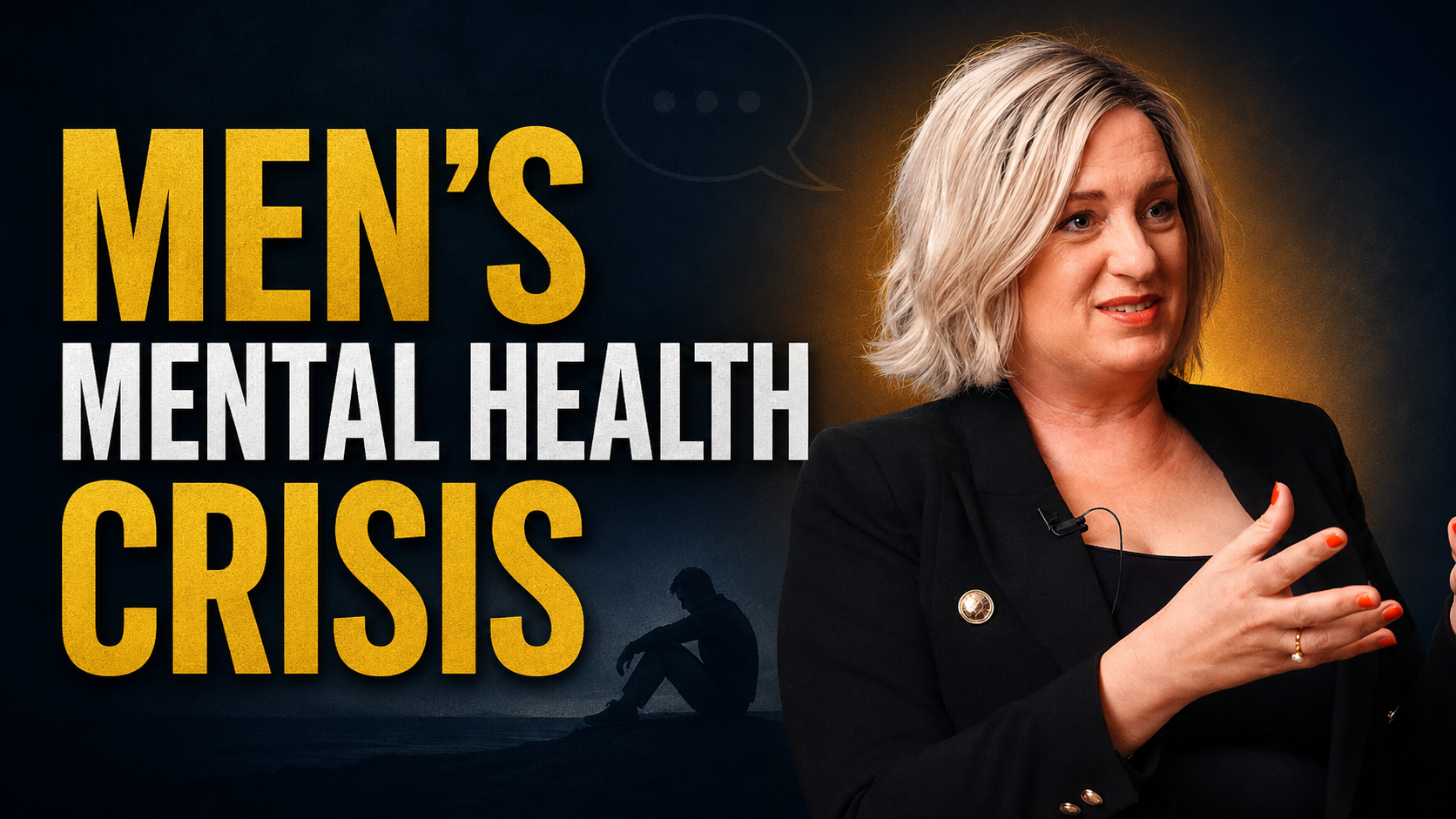
In a recent conversation about anxiety, stress, depression and burnout, one issue stood out clearly: loneliness among men.
Many men experiencing poor mental health do not always have a trusted group of friends, colleagues or family members they feel comfortable speaking with. They may appear capable, calm and in control while privately carrying significant emotional pressure.
For some, a psychologist or mental health professional may be the only person with whom they feel able to speak honestly.
Why Men May Wait Until Breaking Point
Women may be more likely to recognise anxiety, speak with a GP and seek professional support earlier. Men, on the other hand, may delay asking for help until stress, burnout or depression has become overwhelming.
This does not mean men experience fewer emotions or have less awareness. Social expectations can make vulnerability feel uncomfortable or unsafe.
Many men grow up with messages that encourage them to remain strong, solve problems alone and avoid appearing weak. Over time, this can make it difficult to identify emotional distress, explain what is happening or ask for support.
As a result, some men seek help only when they have reached breaking point.
The Hidden Impact of Male Loneliness
Loneliness is not simply about being physically alone. A person can have a partner, family, colleagues and a busy social life while still feeling emotionally isolated.
For many men, the real issue is not the number of people around them. It is whether they have someone with whom they can be open, honest and vulnerable.
Without those connections, stress may continue to build quietly. This can affect:
- emotional wellbeing
- relationships
- workplace performance
- sleep
- physical health
- confidence
- motivation
- decision-making
Some partners may not even know that the man in their life is seeing a psychologist or struggling with his mental health.
This shows how deeply some men may hide their distress.
Anxiety, Stress, Depression and Burnout
Mental health conditions can affect anyone, but people may describe or present their experiences differently.
Women may be more likely to identify and report feelings of anxiety. Men may be more likely to present with stress, exhaustion, irritability, withdrawal, reduced motivation or workplace burnout.
These differences are not fixed rules. Every individual is different. However, understanding common patterns can help families, employers, healthcare professionals and communities recognise when someone may need support.
Signs that a person may be struggling include:
- withdrawing from friends or family
- working excessively
- losing interest in usual activities
- becoming easily frustrated
- experiencing ongoing tiredness
- struggling to sleep
- using alcohol or other substances to cope
- avoiding difficult conversations
- feeling hopeless or disconnected
Recognising these signs early can create an opportunity for support before a person reaches crisis point.
Watch the complete Podcast
Why Social Connection Matters
Strong social connection is an important part of mental wellbeing.
Men need spaces where they can speak openly without judgement, embarrassment or pressure to provide immediate solutions. This could be through friendships, community groups, sporting clubs, professional networks, peer support programmes or counselling.
The goal is not to force people to talk before they are ready. It is to create relationships and environments where honest conversations feel normal and safe.
Sometimes a simple question such as, “How are you really going?” can open the door.
The most important step is listening without immediately dismissing, fixing or minimising what the person is feeling.
The Role of Workplaces
Workplaces can play an important role in supporting men’s mental health.
Burnout, high workloads, uncertainty, isolation and pressure to perform can all contribute to emotional distress. Leaders should create cultures where wellbeing is taken seriously and asking for help does not damage a person’s reputation or career.
Practical workplace support may include:
- confidential employee assistance programmes
- regular wellbeing check-ins
- mental health training for managers
- realistic workloads
- flexible working arrangements
- clear pathways to professional support
- peer support networks
- policies that reduce stigma
Support should not begin only after someone has experienced a crisis. Early intervention should be built into everyday workplace culture.
Moving Beyond the Stigma
Mental health support should be viewed in the same way as any other form of healthcare.
Speaking with a psychologist, counsellor or GP is not a sign of failure. It is a practical step towards understanding what is happening and finding a healthier way forward.
The more openly we discuss loneliness, stress, depression and burnout, the easier it becomes for people to seek support earlier.
Men do not need to wait until they are unable to cope.
They deserve support before the breaking point.
Creating a More Connected Care System
Mental health does not exist separately from the wider care system. It connects with disability support, aged care, family wellbeing, employment, healthcare and community services.
Creating better outcomes requires collaboration across sectors, stronger early intervention and services that recognise the whole person rather than one isolated issue.
These conversations are essential for building care systems that are more responsive, inclusive and human.
Join the National Care Sectors Conference
Continue this important conversation at the National Care Sectors Conference: NDIS, Aged Care & Childcare on 28 August 2026.
Join sector leaders, care professionals, advocates and community voices for a moving and inspiring day of discussion, learning and connection. Together, we will explore the challenges shaping Australia’s care sectors and the practical changes needed to create better outcomes for individuals, families, workers and communities.
Be part of the conversation and help shape a stronger, more connected future for care in Australia.