Local Government and Party Politics in Western Australia: Is Independence Still Possible?
Local government has long been seen as the closest level of democracy to everyday people. It is where decisions about roads, parks, community services, planning, libraries, local events and neighbourhood priorities are made. In Western Australia, local government has traditionally been different from other parts of Australia because councillors and mayors often run as independents rather than under a formal party banner.
But the question now is simple: is local government still truly independent, or is party politics slowly finding its way in?
Why Western Australia’s Local Government Is Different
In many Australian states, local government elections are openly linked to political parties. Candidates may run as Labor, Liberal, Greens or under another party identity. In those places, voters often know the political position of a candidate before they even read their local policies.
Western Australia has generally taken a different path. Local candidates often present themselves as independents, focusing on local issues rather than party platforms. This has helped keep council elections more community-focused and less tied to national political debates.
That independence is valuable. It allows local representatives to speak directly to local concerns without always being filtered through party ideology.
But Everyone Has a Bias
Even when candidates run as independents, it does not mean they have no political views. Every person brings values, beliefs and priorities into public life. Some may lean towards Labor, Liberal, the Greens, One Nation or another political movement. Others may avoid party labels but still hold strong views about development, housing, climate, community spending, social services or local business.
This is not necessarily a problem. Voters do not need leaders with no opinions. They need leaders who are honest about their values, transparent in their decisions and focused on the best interests of the community.
The real issue is not whether someone has a political leaning. The issue is whether local government becomes controlled by party agendas instead of local needs.
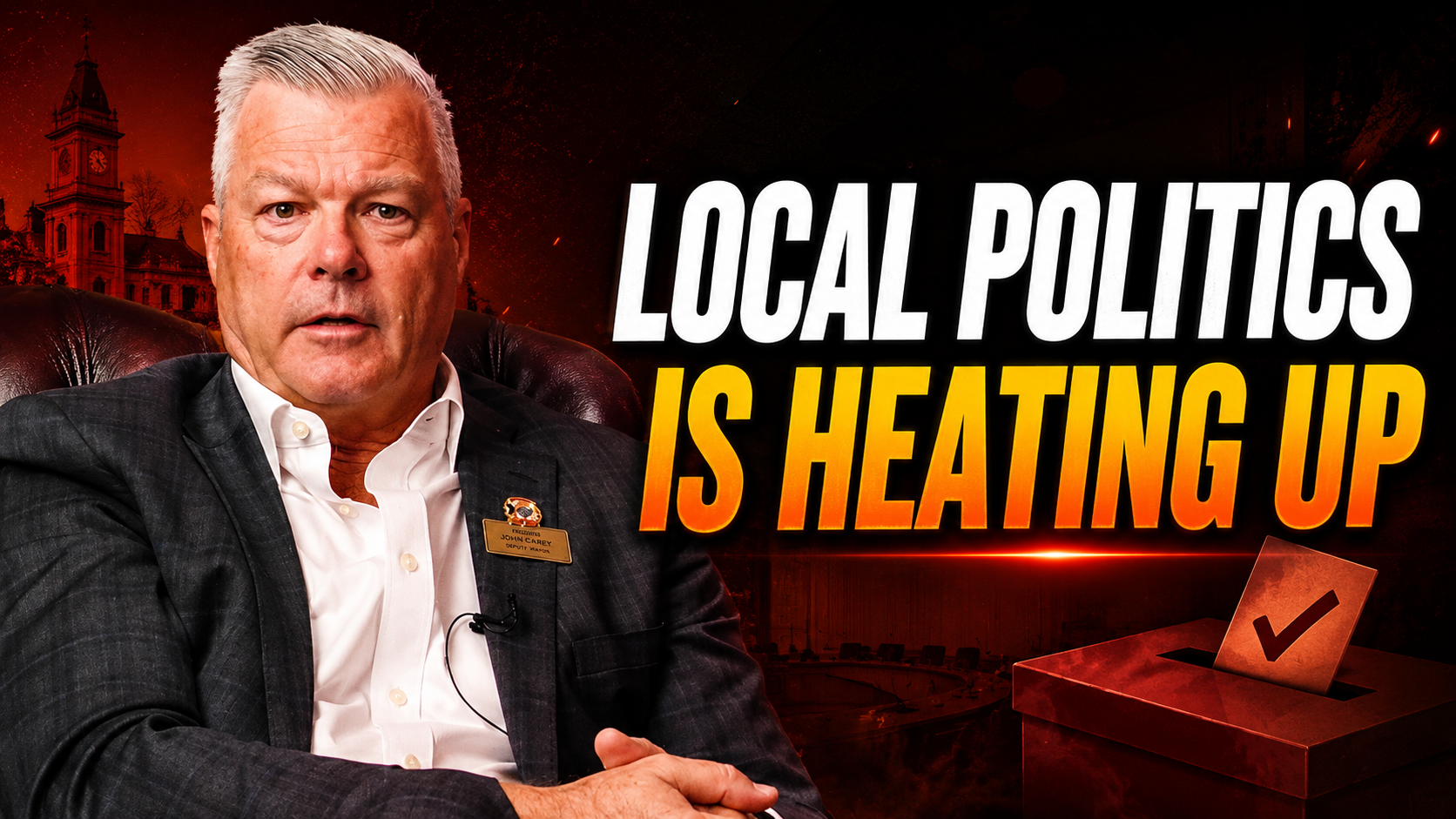
Watch the complete Podcast
The Rise of Party Influence in Council Elections
In recent years, there has been growing concern that more organised political influence is entering local government elections in Western Australia. Some candidates have begun openly identifying with political parties or movements. This changes the tone of local elections.
When a council campaign becomes heavily tied to broader political causes, there is a risk that local priorities get pushed aside. Issues such as waste collection, community safety, roads, aged care access, childcare needs, disability inclusion, housing and local infrastructure can become secondary to wider political messaging.
This matters because councils are not parliaments. They are meant to be close to the people, close to the problems and close to practical solutions.
Why Local Issues Must Stay Local
Local government works best when it listens to residents and responds to real community needs. People want councillors who understand their suburbs, their streets, their families and their local challenges.
Party politics can sometimes bring structure and policy discipline, but it can also create division. If local representatives begin voting along party lines rather than community interests, councils may lose the trust of the people they serve.
Communities need leaders who can work across differences. They need people who can sit at the table, listen carefully and make decisions based on evidence, fairness and local impact.
What This Means for Community Services
The question of political influence is especially important for the care sector. Local governments often play a role in supporting aged care access, disability inclusion, childcare planning, community transport, family services, youth programmes and social infrastructure.
These services should not become political trophies. They require thoughtful planning, long-term investment and genuine collaboration between councils, providers, governments and communities.
When politics becomes too dominant, the voices of service users, carers, families and frontline workers can be lost. That is why local decision-making must remain grounded in lived experience and practical outcomes.
The Need for Honest Local Leadership
The future of local government in Western Australia will depend on trust. Candidates should be open about who they are, what they believe and what they stand for. Voters deserve to know whether a candidate is truly independent or closely aligned with a political party.
At the same time, communities must look beyond labels. A party label does not automatically make someone unsuitable, and an independent label does not automatically make someone better. What matters is integrity, accountability and the ability to serve the whole community.
Good local leadership is not about slogans. It is about showing up, listening well and making decisions that improve people’s lives.
Looking Ahead
Western Australia still has a strong tradition of independent local government, but that tradition cannot be taken for granted. As party influence grows, communities will need to ask harder questions about transparency, values and representation.
Local democracy works best when people are informed, engaged and willing to participate. Whether someone votes in a council election, attends a community meeting or speaks up about local services, every voice matters.
The future of our councils should not be shaped only by political parties. It should be shaped by the people who live, work, care and contribute in those communities every day.
Join the Conversation at the National Care Sectors Conference
These conversations matter deeply for the future of care, community and local decision-making. To continue this important discussion, we invite you to attend the National Care Sectors Conference: NDIS, Aged Care & Childcare on 28 August 2026.
Join us for a moving and inspiring event that brings together leaders, providers, policymakers, practitioners and community voices across the care sectors. Together, we will explore the future of care, the challenges facing our communities and the leadership needed to create better outcomes for all Australians.