
Human Rights, Person-Centred Care and the Leadership We Need
Across the care sector, conversations about human rights, accountability and person-centred support are becoming more urgent. Whether we are talking about disability, aged care, child care, mental health or community services, one thing is clear: systems must do more than provide services. They must protect dignity, choice and safety.
In New South Wales, there has been growing advocacy for a public inquiry into a Human Rights Act. Legislation alone will not solve every issue, but it can help create stronger accountability, greater transparency and better protections for people who rely on care and support.
The real challenge is making sure legal reform sits alongside cultural and behavioural change.
A Human Rights Act Is Only Part of the Solution
A Human Rights Act can provide a stronger framework for how people are treated by systems, services and institutions. It can help people understand their rights and give organisations clearer responsibilities.
But legislation cannot do all the work on its own.
If the culture inside organisations does not change, people may still feel unheard, unseen or unsupported. If staff are not trained to think differently, services may still become transactional. If leadership does not model accountability, policies may exist on paper without changing people’s daily experience.
Legal protection matters, but it must be matched by a shift in mindset.
What Does Person-Centred Care Really Mean?
Person-centred care is a phrase used often across the sector, but it needs to mean more than friendly language in a policy document.
True person-centred care asks deeper questions. What does this person need today? How might their needs change over time? What matters to them, not just what is the service funded to deliver? What does safety, dignity and choice look like in their real life?
Person-centred support must follow the person’s journey. It should adapt as life changes. It should recognise that people are not static, and neither are their families, goals, challenges or support needs.
Watch the complete Podcast
Leadership Through a Systems Lens
Good leadership in the care sector requires more than managing teams or meeting compliance requirements. It means looking at the whole environment.
Leaders need to understand policy, funding, workforce pressure, family experience, service gaps, community needs and the culture within their organisation. They need to see both the big picture and the human detail.
This is adaptive leadership. It asks leaders to respond to complexity rather than pretend simple answers will fix complex problems.
In care, the work is rarely only technical. It is emotional, relational and deeply human.
The Role of Lived Experience in Better Services
Lived experience organisations bring an important lens to the care sector. They understand systems not only through reports and strategy documents, but through real life.
Lived experience helps reveal what people are actually facing. It can show where services feel confusing, where families feel ignored, where people lose trust and where systems unintentionally cause harm.
When lived experience is valued, services become more grounded. Decisions are shaped by the people most affected by them. This does not replace professional expertise. It strengthens it.
Setting Boundaries as a Leader
Leadership in the care sector often comes from the heart. Many people work in this space because of personal experience, family experience or a deep desire to improve life for others.
That passion is powerful, but it also needs boundaries.
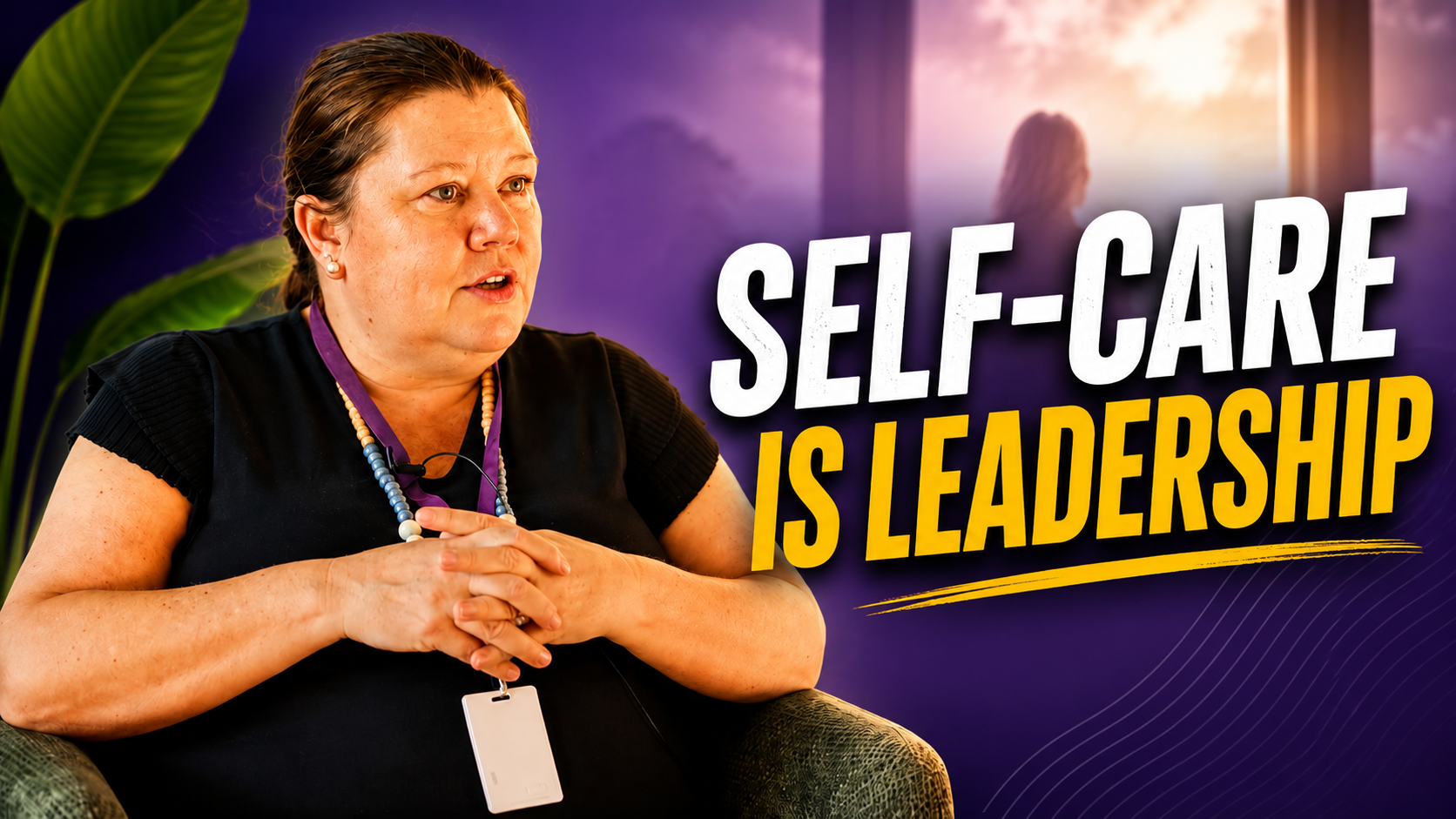
Leaders who carry lived experience into their work may sometimes need to pause, reschedule, step back or say, “This is not a good moment.” That is not weakness. It is self-awareness.
When leaders care deeply, self-care becomes part of ethical leadership. Setting boundaries helps people stay strong enough to keep doing the work with clarity, compassion and purpose.
Crucible Leadership and the Drive for Change
Crucible leadership often comes from difficult personal experience. It is leadership shaped by challenge, pain, learning and the decision to use that experience to create change for others.
In the care sector, this kind of leadership is common. People lead because they have seen what does not work. They advocate because they know what families go through. They push for reform because they understand the cost of inaction.
But crucible leadership must be supported. People cannot pour endlessly from their own pain without care, reflection and boundaries.
Culture Change Must Sit Beside Policy Change
Stronger laws, better regulation and clearer accountability are essential. But culture is where people feel the difference.
Culture determines whether a person feels respected in a meeting. It shapes whether a family is listened to. It influences whether staff feel safe to speak up. It affects whether services respond with flexibility or hide behind process.
If we want genuine person-centred care, we need both structural reform and cultural reform.
One without the other will not be enough.
Building a More Accountable and Human Care System
The future of care must be built on dignity, rights, accountability and humanity. That means stronger protections for people using services, better support for families, more responsive systems and leadership that understands both policy and lived reality.
It also means asking hard questions.
Are we truly person-centred, or do we just say we are? Are we listening to lived experience, or only consulting after decisions are made? Are leaders supported to care for themselves while caring for systems and communities?
These questions matter because the care sector shapes the lives of millions of people.
Join Us at the National Care Sectors Conference
If these conversations matter to you, join us at the National Care Sectors Conference: NDIS, Aged Care & Childcare on 28 August 2026.
This moving and inspiring conference will bring together leaders, providers, advocates, practitioners, policymakers and people with lived experience from across the care sectors.
Together, we will explore the future of care, human rights, leadership, workforce, accountability and person-centred practice across NDIS, aged care and childcare.
Come along to connect, learn, contribute and be part of the conversation shaping a more human and accountable care system.