
Early Intervention Can Break the Cycle of Family and Domestic Violence
Family and domestic violence can shape a person’s life long before they understand what is happening.
For some children, violence becomes part of their everyday environment. They may witness abuse at home, take on responsibilities beyond their age or grow up believing that unhealthy relationships are normal. Without early support, these experiences can continue into adulthood and repeat across generations.
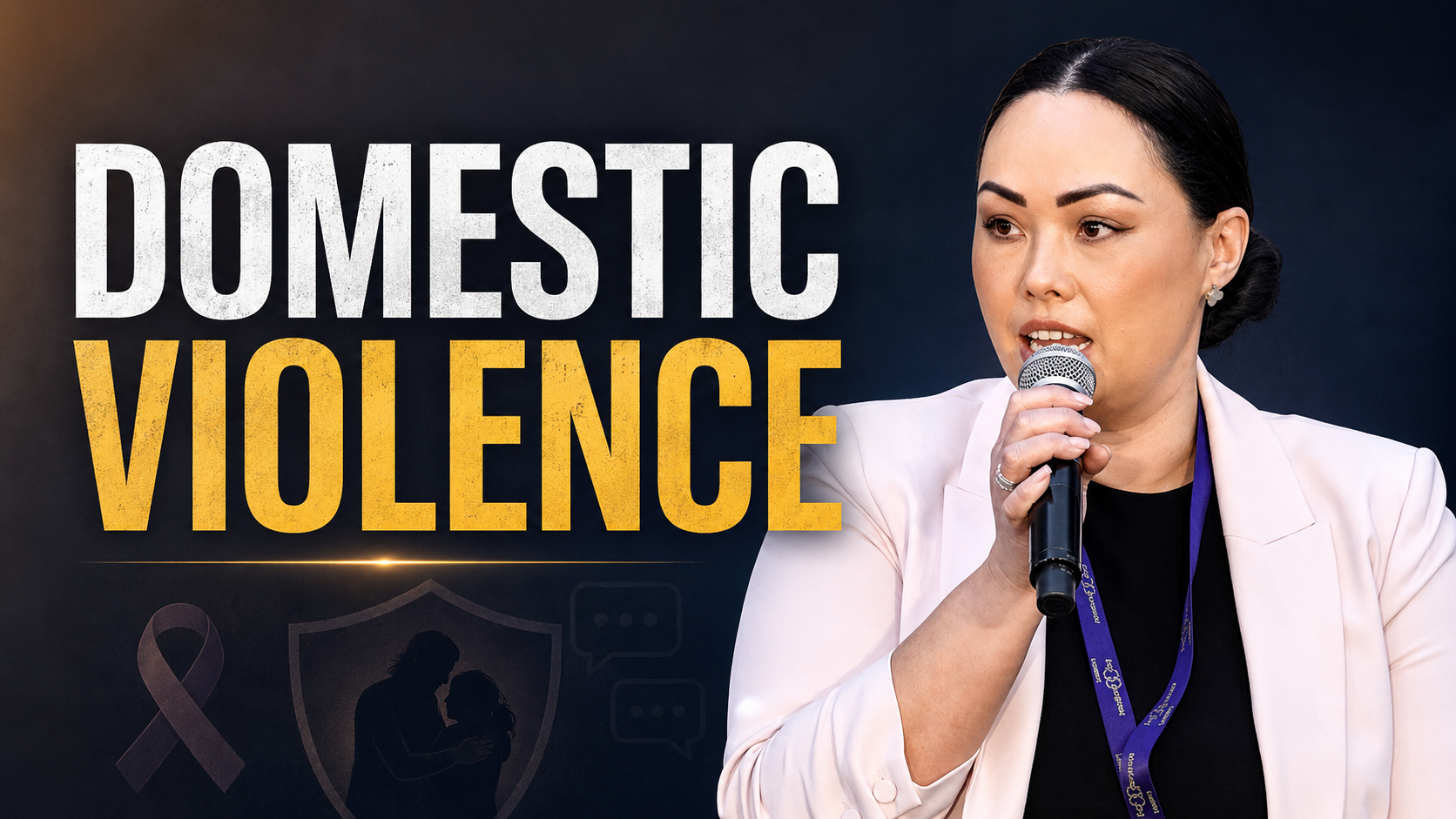
Sherri’s lived experience highlights why early intervention matters. She shared that family and domestic violence had been present in her life for 37 years. At 42, she had spent almost her entire life affected by it.
Her story began at the age of five, when she witnessed her mother experiencing serious abuse. As a young child, she also had to care for her younger siblings. Although she understood that the violence was wrong, it was still the main relationship example available to her.
At 16, she entered an abusive relationship of her own.
Her experience shows that recognising abuse is not always enough to prevent someone from becoming trapped in the same cycle.
Why Children May Repeat What They Witness
Children learn about relationships through what they see, hear and experience.
When violence, control, fear or humiliation are common at home, children may begin to see these behaviours as familiar. Even when they know the situation feels wrong, they may not have another example of what a healthy relationship should look like.
This does not mean that every child who witnesses violence will experience abuse later in life. However, it does show why early education and trusted support are so important.
Children need clear examples of safety, respect, consent, boundaries and healthy communication. They also need adults who listen, believe them and act when something is wrong.
Education Is Key to Prevention
Sherri believes education is one of the most important tools for early intervention and prevention.
Age-appropriate education can begin in pre-primary school. Young children can learn simple but important lessons, including:
Who their safe people are
Which parts of their body are private
That they have the right to say no
How to recognise unsafe behaviour
Who they can speak to when they feel afraid or uncomfortable
These conversations should not create fear. They should give children confidence, language and practical ways to ask for help.
Without education, children may not understand what they are experiencing. They may not know that certain behaviour is abusive, or they may believe that nobody will listen to them.
Education helps children recognise warning signs before harm becomes normalised.
Early Intervention Must Involve the Whole Community
Preventing family and domestic violence is not the responsibility of children alone.
Schools, parents, carers, health professionals, community organisations and support services all have an important role to play. Early intervention works best when adults understand the signs of abuse and know how to respond safely.
Warning signs may include sudden changes in behaviour, fearfulness, anxiety, aggression, withdrawal, difficulty concentrating or taking on an adult caregiving role at a young age.
One sign does not always mean that abuse is happening. However, changes should be noticed, explored carefully and never dismissed.
Professionals also need the right training, referral pathways and resources. Asking a child to speak up is not enough if the systems around them are not prepared to respond.
Watch the complete Podcast
Lived Experience Must Inform Policy and Practice
People with lived experience bring essential insight to conversations about prevention.
They understand the missed opportunities, the barriers to seeking help and the long-term impact of violence. Their voices can help governments, schools and service providers design responses that are more practical, compassionate and effective.
Listening to lived experience also reminds us that early intervention is not just a policy idea. It can change the direction of a child’s life.
The right conversation, trusted adult or support service at the right time may help someone recognise abuse, seek safety and avoid repeating the cycle.
Prevention Begins With Safe Conversations
Family and domestic violence can be difficult to discuss, but silence allows harmful patterns to continue.
Children should be taught that safety, respect and consent are part of every healthy relationship. They should know that violence is never their fault and that asking for help is the right thing to do.
Adults must also create environments where children feel safe enough to speak honestly.
Early intervention begins with education, but it also depends on listening, trust and action.
Join the National Care Sectors Conference
These important conversations will continue at the National Care Sectors Conference: NDIS, Aged Care & Childcare on 28 August 2026.
Join us for a moving and inspiring day of lived experience, professional insight and practical discussion focused on improving care, safety and support across Australia.
The conference will bring together leaders, advocates, service providers and community voices to explore the challenges affecting the NDIS, aged care and childcare sectors.
Attend the conference and be part of a shared commitment to safer systems, stronger communities and better outcomes for people and families.