
AI Partners and Human Relationships: Why Real Connection Still Matters
AI is moving quickly into almost every part of life. It is helping people write, work, plan, create and communicate. But one of the more personal and complex areas is the rise of AI partners, AI girlfriends, AI boyfriends and digital companions.
For some people, these tools may feel comforting. They are always available, always responsive and often designed to be positive, affirming and agreeable. But this raises an important question. What happens when people become used to relationships that never challenge them?
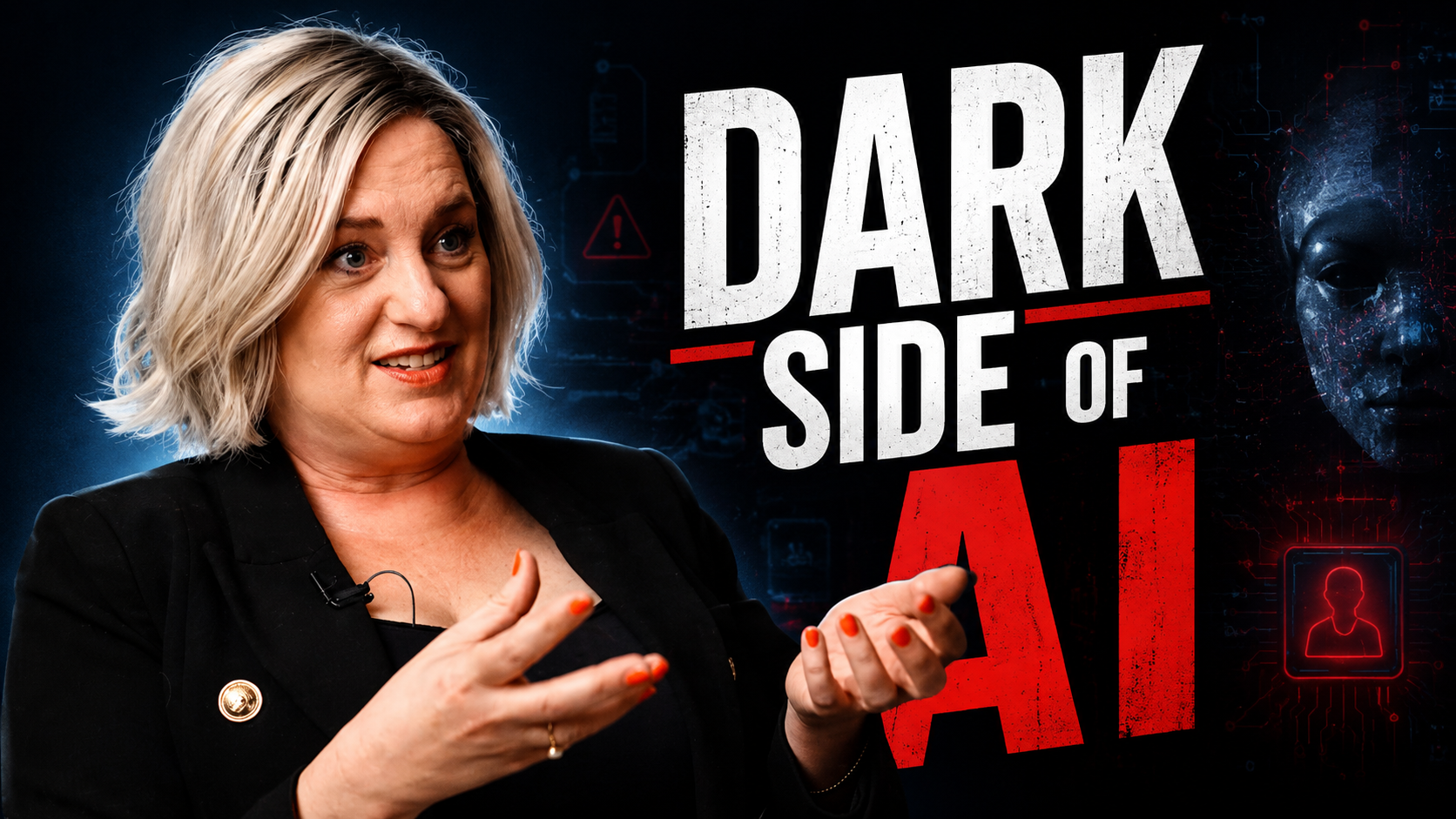
The Rise of AI Companionship
AI companionship is no longer just a futuristic idea. People are already interacting with digital partners through phones, apps, avatars and screens around the home. Some users introduce these AI companions into daily conversations, almost as if they are another person in the room.
This may seem harmless at first. For someone experiencing loneliness, an AI companion may provide a sense of comfort or routine. It may offer a space to talk, vent or feel heard.
But human relationships are not built only on availability and agreement. Real relationships are far more complex.
Real Relationships Are Not Always Easy
Human relationships include warmth, humour, care and support. They also include disagreement, disappointment, frustration and difficult conversations. That is not a flaw. It is part of what makes relationships meaningful.
No healthy relationship is happy all the time. No real partner is always positive, always affirming and always ready to say exactly what we want to hear.
Sometimes we need someone to challenge us. Sometimes we need to sit through discomfort, hear another point of view and reflect on our own behaviour. Those moments can be hard, but they help us grow.
Watch the complete Podcast
Why Conflict Can Be Healthy
Conflict is often seen as something negative, but respectful conflict is important. A disagreement can help people think differently, understand another perspective and practise emotional regulation.
When we have a difficult conversation with another person, we are learning how to listen, pause, respond and manage emotion. We learn that being annoyed, sad, offended or challenged is not the end of the world. It is part of being human.
If people only interact with AI companions that agree with them, they may miss out on this emotional practice. Over time, that could make real-world relationships feel harder to manage.
The Risk of a Walking Confirmation Bias
An AI partner that constantly agrees with you can become a form of confirmation bias. It may reflect back what you already think, strengthen your existing views and avoid the discomfort that comes from being challenged.
That may feel good in the moment, but it is not always healthy.
In a fast-moving society, people need adaptable minds. We need to be able to hear different opinions, deal with criticism, regulate emotions and work through disagreement. If technology removes too much friction from relationships, it may also remove some of the growth that comes with them.
Why Emotional Resilience Matters
Life is not always smooth. Workplaces, families, communities and partnerships all involve moments of tension. People need emotional resilience to cope with change, disappointment and difference.
That resilience is often built through real interaction. It comes from having conversations that do not always go our way. It comes from learning how to repair after conflict, apologise, forgive, compromise and keep caring even when things are uncomfortable.
AI may be able to simulate conversation, but it cannot fully replace the human experience of relationship, repair and shared life.
AI Can Support, But It Should Not Replace Human Connection
AI can be useful. It can support communication, help with loneliness in limited ways and offer tools for reflection. But it should not become a replacement for human connection, community, friendship or care.
The challenge is not whether AI should exist in our lives. It already does. The challenge is how we use it wisely.
We need to make sure technology does not train us to avoid discomfort, difference and emotional complexity. Real connection requires patience, empathy and sometimes the courage to disagree.
Building a More Human Future
As AI becomes more present in our homes, workplaces and relationships, we need to keep asking what kind of society we want to build. Do we want a world where people are constantly affirmed but less emotionally resilient? Or do we want a world where technology supports people while still encouraging real human connection?
The future of care, leadership and community will depend on our ability to stay human in a highly digital world.
That means protecting the value of conversation, disagreement, emotional growth and relationships that are not always easy, but are deeply real.
Join the National Care Sectors Conference on 28 August 2026
These conversations are becoming increasingly important across the care economy. Whether we are discussing NDIS, aged care, childcare, disability support, mental health, loneliness, technology or workforce wellbeing, we need to understand how digital tools are shaping human connection.
Join us for the National Care Sectors Conference: NDIS, Aged Care & Childcare on 28 August 2026 for a moving and inspiring conversation on care, technology, dignity, inclusion and the future of human-centred support in Australia.
The conference will bring together providers, policymakers, advocates, leaders and community voices to explore how we can build care systems that are practical, compassionate and deeply connected to the people they serve.