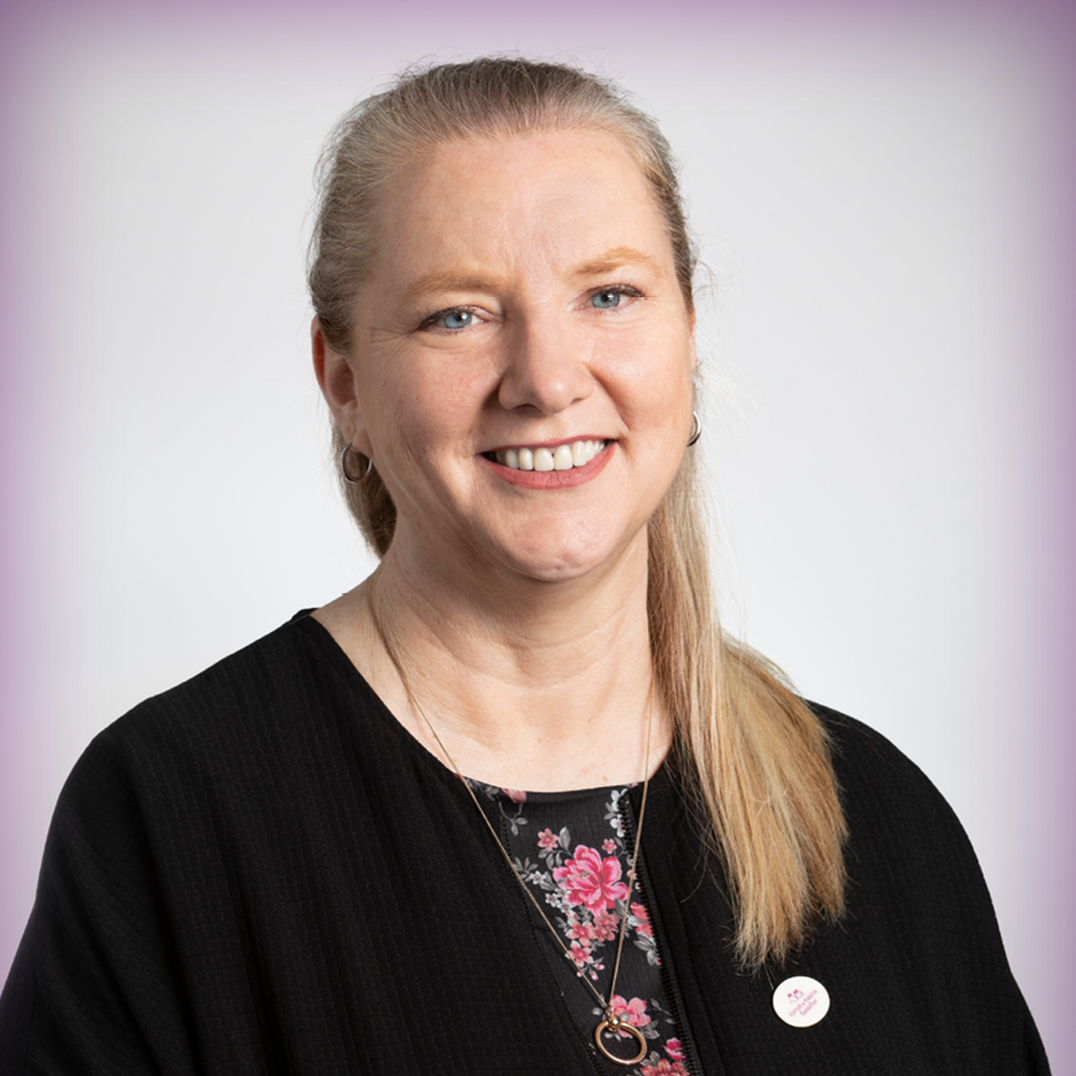

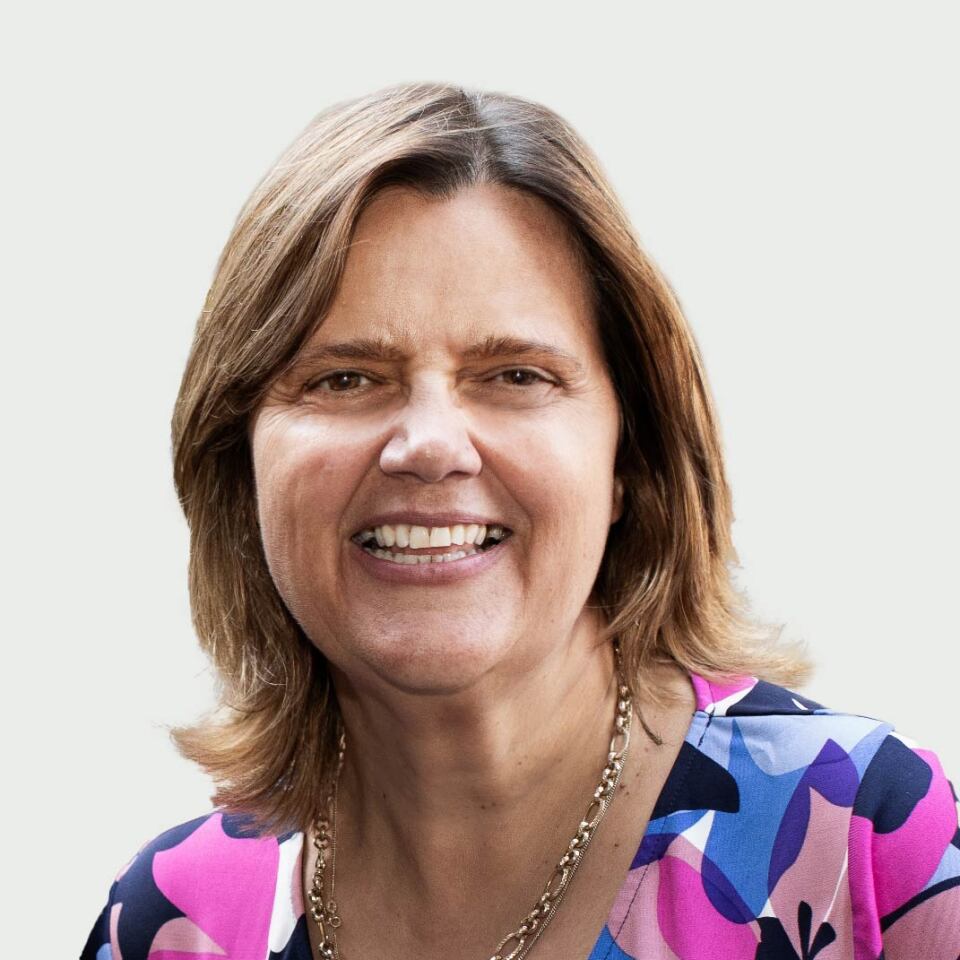
Karenza Louis-Smith
Group CEO, Meridia; Group CEO, The Disability Trust; Chair, Mental Health Victoria (2024 -2025); CEO, ERHMA(2017 – 2025)
Karenz Louis-Smith
Group Chief Executive Officer
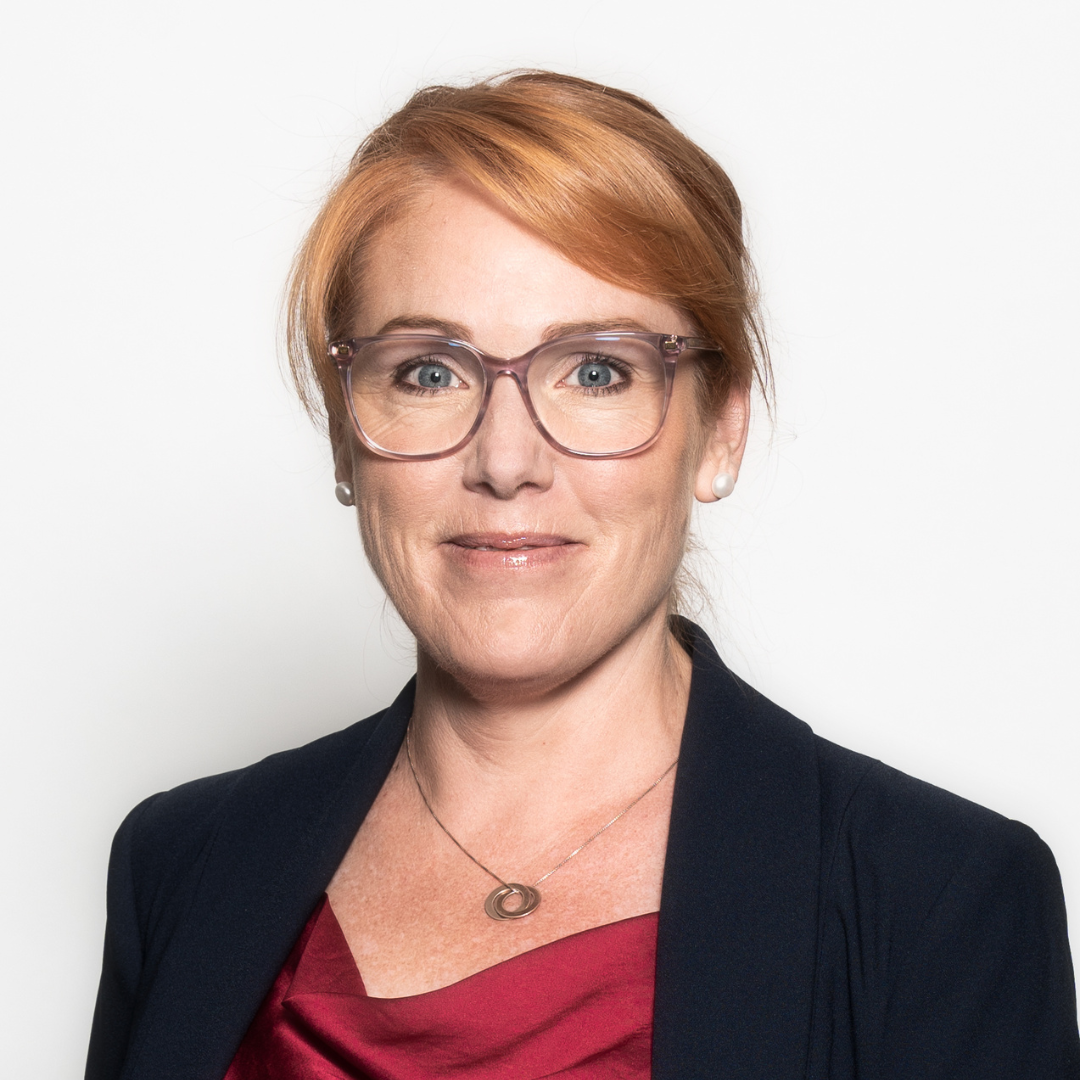
Karenza leads Meridia with a clear belief that better outcomes happen when people, services and communities are genuinely connected. As Group Chief Executive Officer, she is focused on building a more capable, innovative and future-ready organisation that creates lasting impact for the people and communities it serves.
With more than 25 years’ experience across disability, mental health, justice and community services, Karenza has held executive leadership and CEO roles in Australia and the United Kingdom. Her career has been defined by leading organisational transformation, strengthening service systems and advocating for better outcomes for people experiencing complexity and disadvantage.
Before joining Meridia, Karenza served as Chief Executive Officer of both TaskForce and the Australian Community Support Organisation. She has led significant reform and growth across mental health, offending behaviour, employment and community services and played a key role in bringing together ermha365 and The Disability Trust to create a stronger, more connected organisation.
Karenza brings both professional and lived experience to her leadership. Known for her authenticity, curiosity and willingness to challenge conventional thinking, she creates environments where people feel heard, valued and empowered to contribute.
“Karenza has a rare ability to unite people around a shared purpose, turning ambition into action and possibility into meaningful change.”

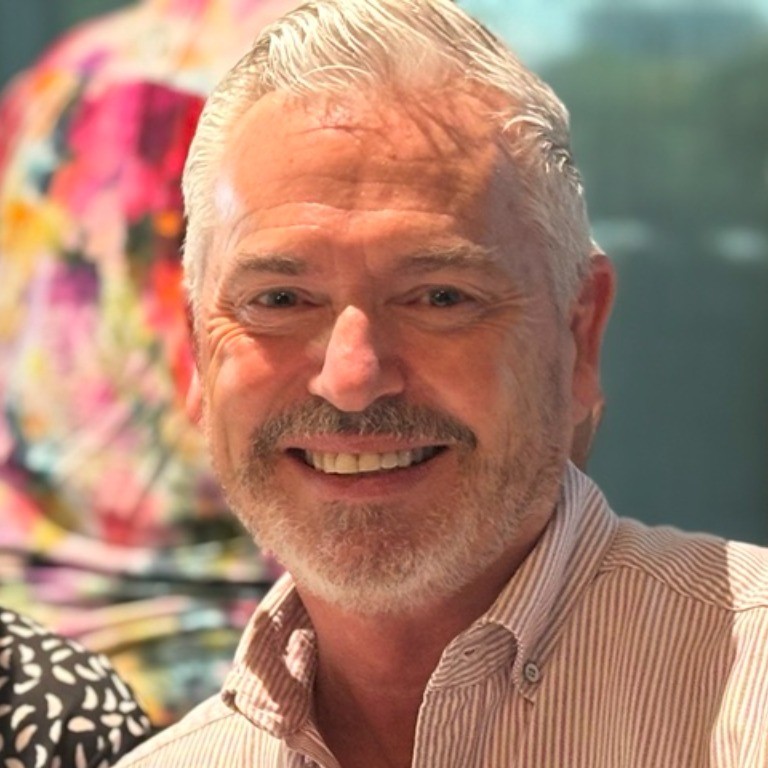
Simon Wardale
Group Executive, Disability, Multicap Limited
Simon Wardale
Simon Wardale is the Group Executive, Disability at Multicap Limited, bringing nearly 30 years of extensive experience across frontline disability support, service management, practice leadership, and policy advisory. Having started his career as a Disability Support Worker, Wardale has built deep sector expertise in supporting individuals with complex needs and intellectual disabilities, with his research published in academic journals. His broad industry leadership spans key statutory and advisory roles, including Director of Forensic Disability, Delegate of the Senior Practitioner in Victoria, and Director of Practice Leadership in Behaviour Support at the Centre of Excellence for Behaviour Support. Having previously served as Multicap’s Chief Clinical and Practice Officer, in his role as Group Executive, Disability, he focuses on embedding evidence-based frameworks, driving practice excellence, and delivering high-quality, customer-centered services across the organization.
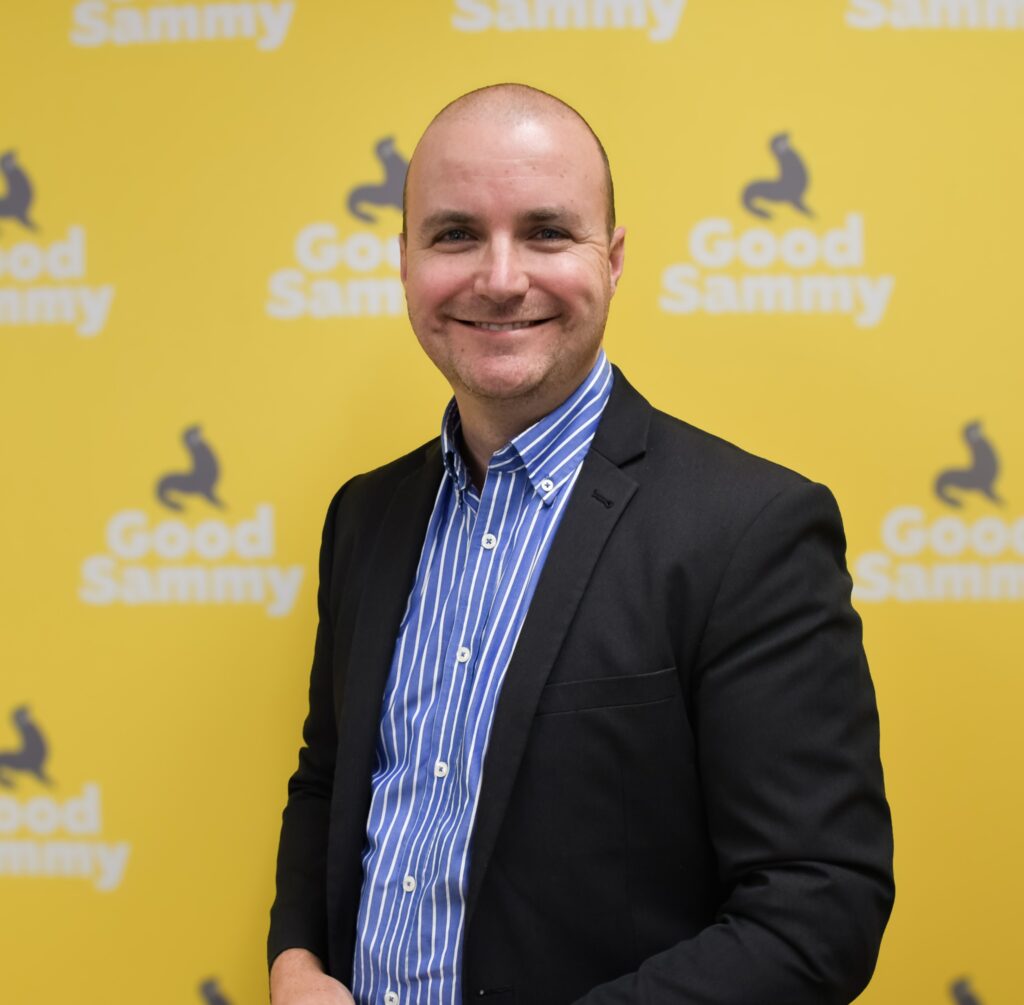
Kane Blackman
CEO, Good Sammy Enterprises; Non-Executive Director, East Metropolitan Health Services; Chair/Member, Ministerial Advisory Council on Disability (2019 – 2024); Advisory Council Member, WA Future Health Research and Innovation Fund
Simon Wardale
Simon Wardale is the Group Executive, Disability at Multicap Limited, bringing nearly 30 years of extensive experience across frontline disability support, service management, practice leadership, and policy advisory. Having started his career as a Disability Support Worker, Wardale has built deep sector expertise in supporting individuals with complex needs and intellectual disabilities, with his research published in academic journals. His broad industry leadership spans key statutory and advisory roles, including Director of Forensic Disability, Delegate of the Senior Practitioner in Victoria, and Director of Practice Leadership in Behaviour Support at the Centre of Excellence for Behaviour Support. Having previously served as Multicap’s Chief Clinical and Practice Officer, in his role as Group Executive, Disability, he focuses on embedding evidence-based frameworks, driving practice excellence, and delivering high-quality, customer-centered services across the organization.
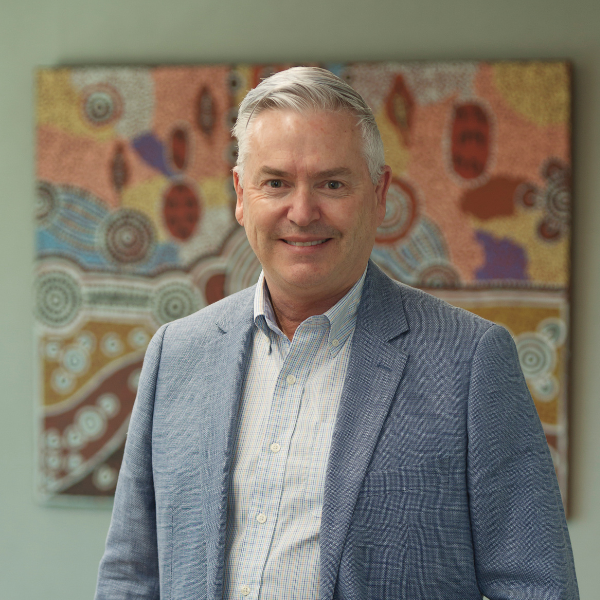
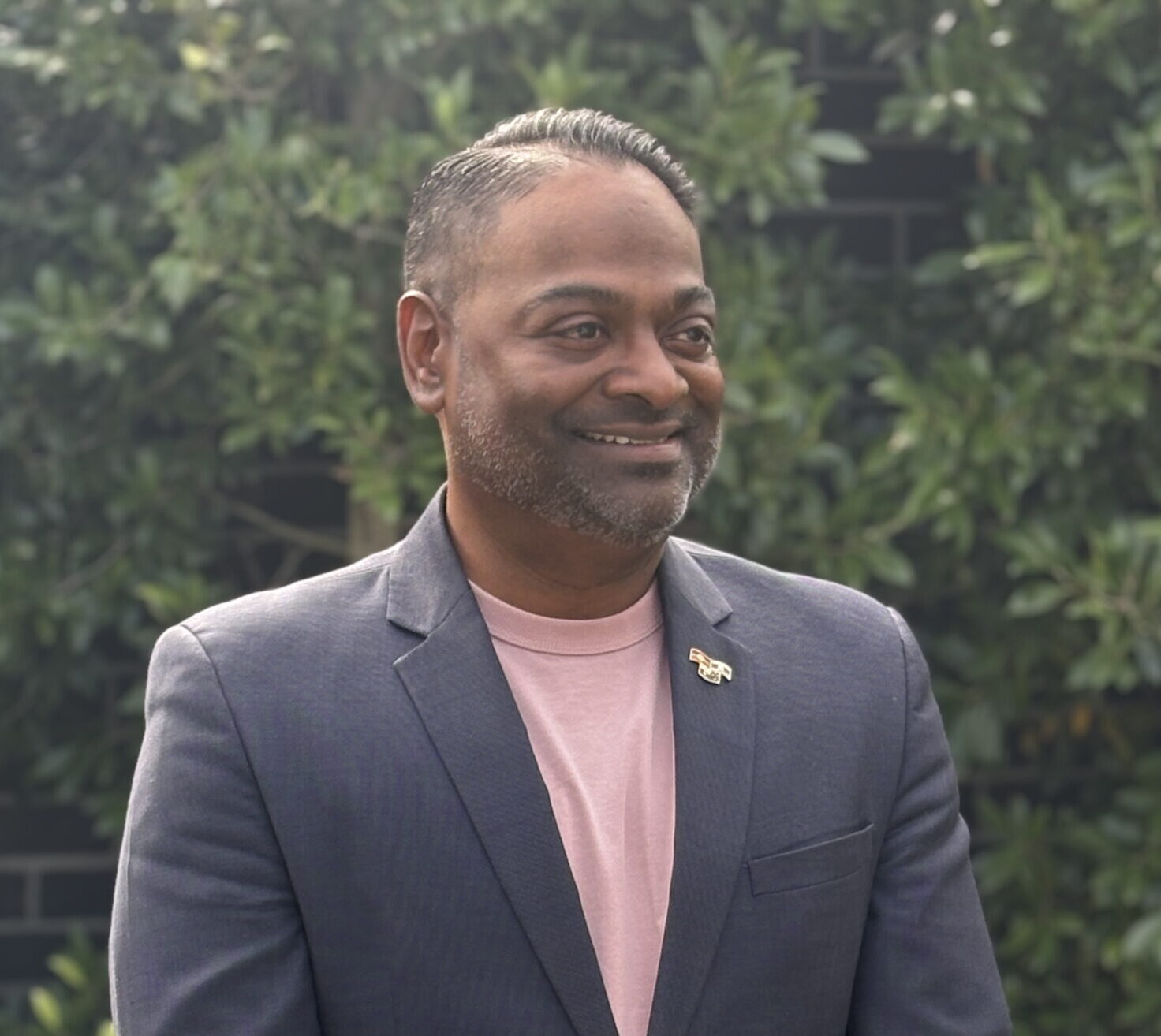
Michael Chester
Co-Chair UnitingCare Australia Disability CEO Network; Co-CEO Uniting WA
Michael Chester
Michael Chester is an accomplished executive leader with over 25 years of business and operational management experience across Australia and Canada. As Co-CEO of Uniting WA and Co-Chair of the UnitingCare Australia Disability CEO Network, he leads strategic initiatives delivering person-centered support for vulnerable populations, spanning disability services, mental health, and homelessness relief. Having joined Uniting WA as Chief Operating Officer in 2017 before stepping into the Co-CEO role in May 2022, Chester played a key role in guiding services through major sector shifts, including the transition to the National Disability Insurance Scheme (NDIS). Holding an MBA and membership as a Graduate of the Australian Institute of Company Directors (GAICD), he combines strong governance expertise with a relationship-focused approach to drive sustainable community impact and social justice advocacy.

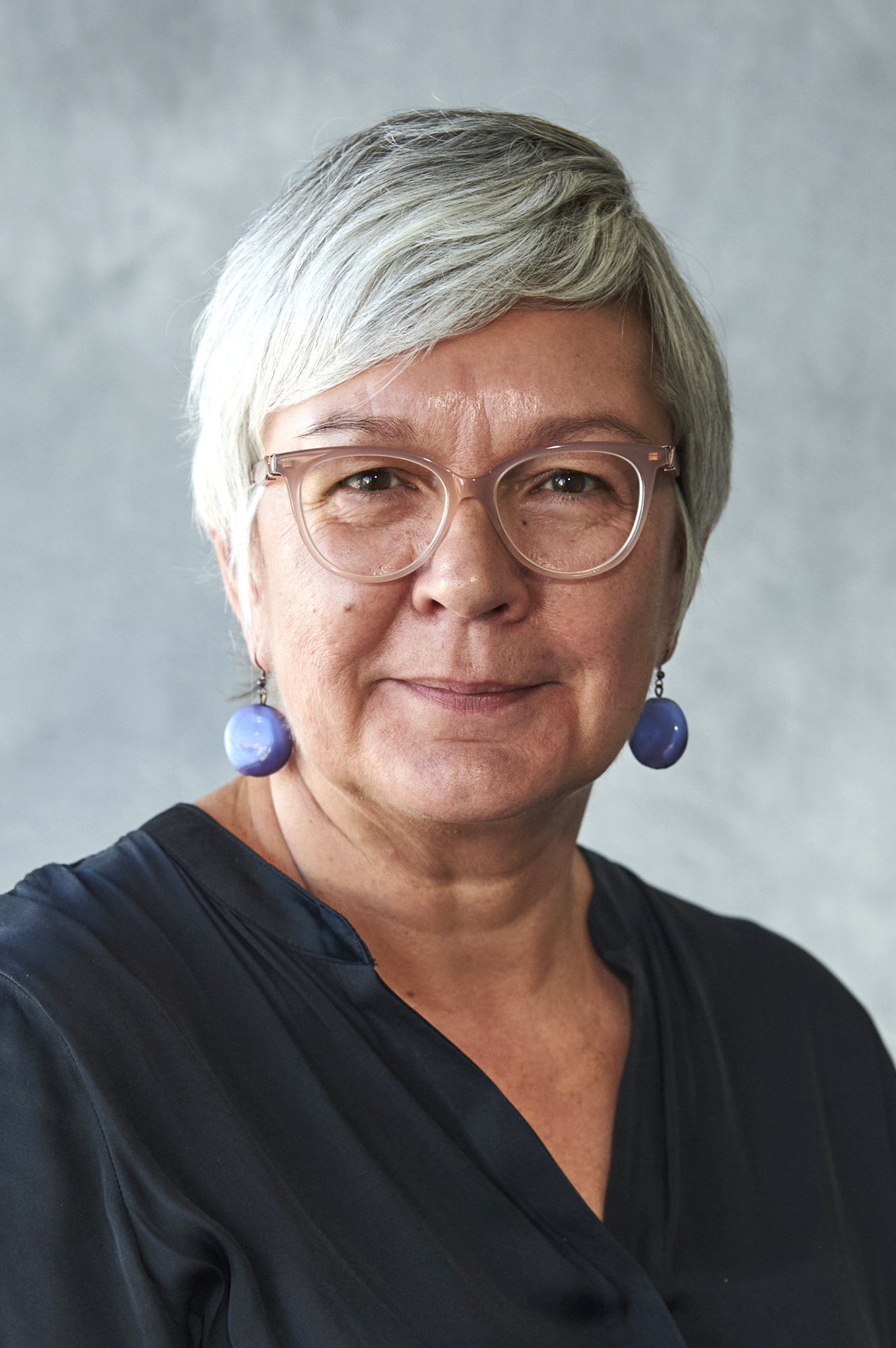
Kat Johns
CEO, People with Disabilities Western Australia
Adrian Munro
Adrian Munro is the Chief Executive Officer of Richmond Wellbeing, a leading non-profit mental health service provider in Western Australia. With extensive executive experience across the human services, healthcare, and community sectors, Munro leads the organization in delivering recovery-focused mental health support, supported accommodation, and community-based programs. Under his leadership, Richmond Wellbeing focuses on strategic growth, person-centered care, and reducing the stigma surrounding mental health to improve long-term outcomes for individuals and families across the region.
NDIS Sustainability Breakfast, Perth / National LIVE Stream
About the event:
The National Disability Insurance Scheme has changed the lives of hundreds of thousands of Australians, and changed the country with it. But the Scheme now stands at a genuine inflection point. The 2027–28 Federal Budget lands against a backdrop of sweeping reform: New Framework Plans rolling out from April 2027, tightened eligibility through functional assessments, the shift of thousands of children into Thriving Kids and Foundational Supports, expanding mandatory provider registration, pricing reform, and the commissioning of plan management to a shortlist of providers. Taken together, this is the most significant redesign of the NDIS since it began.
The NDIS Sustainability Breakfast: Navigating the Federal Budget, the Reforms and the Path Forward for the Sector brings together sector leaders, policymakers, providers and people with lived experience to take stock of what these changes mean, not in the abstract, but in practice. This is a national conversation, held in person and nationally livestreamed across every state and territory, designed to move past headline reaction and into genuine, evidence-based dialogue about where the Scheme goes from here.
Across three panels, the morning moves deliberately from the fiscal to the operational to the human: from what the Budget actually funds, to what reform looks like on the ground for providers and participants, to what all of this means for the people the Scheme was built to serve. The goal is not simply to react to government policy, but to shape it, to give the sector’s leaders a direct, public platform to raise the questions that matter most, at a moment when those questions are still genuinely open.
This is a call to substance over spin: a room where sustainability is treated as a question worth asking honestly, not a conclusion to be assumed.
Panel One: The Budget and the Bottom Line
Title: Reading the Budget: Can the NDIS Be Sustainable, and for Whom?
Guiding question: What does the 2027–28 Federal Budget actually tell us about the sustainability of the NDIS, and who bears the cost of getting the Scheme’s finances under control?
Framing: This panel opens the morning with the fiscal picture, unpacking what the Budget commits, what it assumes, and what it leaves unresolved. It asks the question at the heart of the whole event directly: when government says the Scheme is being made “sustainable,” sustainable for whom, the Budget, or the people who rely on it?
Panel Two: Reform on the Ground
Title: Framework, Functional Assessments and the Sector Under Pressure
Guiding question: With New Framework Plans, tightened eligibility, expanding provider registration and pricing reform all landing at once, is the redesigned NDIS actually working for the providers and participants living through it?
Framing: This panel moves from policy to practice. It brings providers, delivery leaders and sector operators into direct conversation about what these reforms mean week to week, where the design is holding up, and where the gap between intention and implementation is already showing.
Panel Three: The People Behind the Numbers
Title: Nothing About Us, Without Us: Keeping People at the Centre of Reform
Guiding question: As Thriving Kids and Foundational Supports shift thousands of children out of the Scheme and eligibility tightens for others, are the people the NDIS was built for still at the centre of the conversation, or getting lost in it?
Framing: This panel closes the morning where the Scheme’s purpose actually lives, with lived experience voices and advocates speaking to what these reforms mean for dignity, choice and control. It’s a deliberate final word: numbers and frameworks are only ever a means to this end.
-
Panel 1: The Federal Budget and the Bottom Line
Reading the Federal Budget: Can the NDIS Be Sustainable, and for Whom?
-
Panel 2: Reform on the Ground
Framework, Functional Assessments and the Sector Under Pressure
-
Panel 3: The People Behind the Numbers
Nothing About Us, Without Us: Keeping People at the Centre of Reform