
Winning on Your Own Terms: Leadership, Conviction and the Courage to Step Into Public Life
Politics is often discussed through the lens of parties, policies, campaigns and election numbers. But behind every political journey is a personal decision: why step into public life in the first place?
In this conversation, the guest reflects on the moment he chose to move from business into politics, and the conviction behind that decision. It was not simply about winning a seat. It was about taking on a challenge, doing the work independently, meeting people directly, and proving that public leadership can still be built through hard work, discipline and a clear sense of purpose.
At its heart, this is a story about leadership, courage, independence and the determination to win on your own terms.
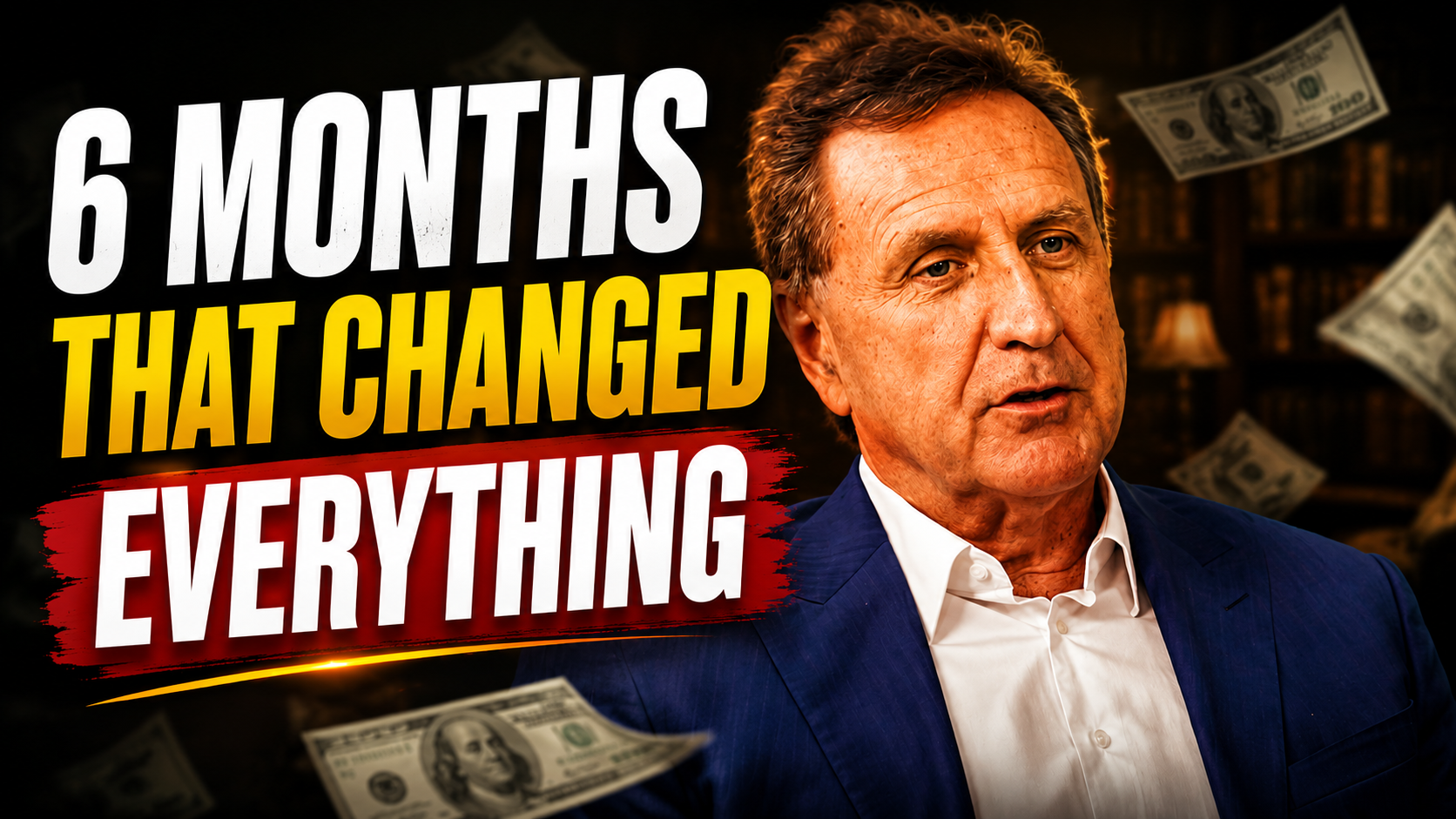
From Business to Politics: A Personal Decision
For many business leaders, entering politics is a major shift. In business, decisions can often be made directly and measured quickly. In politics, every decision is public, every position is questioned, and every promise must be tested through the trust of the community.
The guest described this move as a deliberate decision. He wanted to step from running a business into the public sphere, where conversations, criticism and accountability are part of daily life.
His motivation was clear. He wanted to win a Labor seat. In his words, he wanted to “storm the castle” and take a seat from Labor.
That phrase captures more than political ambition. It reflects a mindset built on challenge, strategy and personal conviction.
The Challenge That Made Public Life Worth It
Leadership often begins when someone sees a challenge they cannot ignore. For this guest, the appeal was not in taking the easiest path. He said he would not have entered politics simply to win preselection against a sitting Liberal. The real challenge was taking on an entrenched Labor member of Parliament and proving that the seat could be won.
He also spoke respectfully of the sitting member, describing her as a fine individual. That matters. Strong political leadership does not require personal hostility. It requires clarity of purpose, respect for opponents, and the confidence to compete on ideas, effort and connection with the community.
This is an important lesson for politics, business and community leadership: the strongest challenges are not always about defeating someone. They are about testing yourself against something difficult and doing it with integrity.
Watch the complete Podcast
Winning Without Being Owned
One of the most powerful themes in the conversation was independence.
The guest made it clear that he wanted to do things on his own terms. He did not want to be installed by anyone. He did not want anyone owning him financially. He did not want others doing all the work on his behalf. He did not want a campaign chair telling him whether to go left or right.
He wanted to be his own master.
In politics, independence matters because trust matters. Voters want to know whether a candidate is guided by conviction or controlled by factions, donors and political machinery. A candidate who can listen, take advice and still make their own judgement has a stronger chance of building genuine public trust.
This also applies far beyond politics. In every sector, including business, health, disability, aged care, childcare and community services, leadership is strongest when it is grounded in values rather than convenience.
The Ground Game: Door-Knocking Every Street
In a digital age, campaigns often focus on media coverage, polling, advertising, social media and central messaging. Yet this story is a reminder that politics is still deeply human.
The guest said he door-knocked every street in Nedlands. Every street.
It took six months. Where someone was not home, he left a personal note saying hello.
That detail says a lot about the kind of campaign he wanted to run. It was not just about being visible. It was about being present. It was about giving people the dignity of a direct conversation. It was about earning support one street, one home and one person at a time.
That kind of effort cannot be faked. It is slow, personal and demanding. But it is also where trust is built.
Taking Advice Without Losing Yourself
Another strong leadership lesson from this conversation is knowing when to take advice and when to trust your own judgement.
The guest said he took some advice from head office, but much of it he did not. That choice earned some criticism, but he believed he had to win Nedlands his own way. He felt that if he had run the campaign entirely their way, he probably would not have won.
This is a valuable leadership lesson. Advice can be useful, but it cannot replace local understanding, lived experience and personal judgement.
Every community has its own character. Every challenge has its own context. A standard playbook may help, but it cannot always capture what people are feeling on the ground. Good leaders know how to listen widely while staying clear about the path they believe is right.
Conviction Creates Clarity
The host observed that the guest had strong conviction and a clear vision. That is the heart of the story.
He knew why he wanted to run.
He knew the kind of campaign he wanted to lead.
He knew the conditions under which he would enter public life.
He knew that the work had to be done face to face.
This is what separates genuine leadership from simple ambition. Ambition wants the title. Conviction understands the cost and chooses the path anyway.
In public life, as in the care sectors, people can sense when leadership is real. They can also sense when it is manufactured. Real leadership comes through consistency, courage and the willingness to do the hard work when no one is watching.
What This Means for Public Leadership and Community Trust
This conversation offers important lessons for anyone interested in political leadership, community service, business leadership or systems reform.
First, leadership has to be personal. People need to understand what drives you.
Second, independence matters. If people feel you are owned by others, trust becomes harder to build.
Third, hard work still counts. Door-knocking, listening and showing up cannot be replaced by slogans.
Fourth, respect matters. You can compete strongly without reducing your opponent’s humanity.
Finally, clarity matters. Leaders need enough conviction to take advice without losing direction.
These lessons are especially relevant in sectors where public trust is essential, including NDIS, aged care, childcare, disability services, early childhood education, health, community support and social care. These are human systems. They need leaders who understand people, not just policy.
Final Thoughts
Stepping into public life is not just a career move. It is a decision to be seen, challenged, questioned and held accountable.
This story shows that political leadership is not only about party machines or campaign tactics. It is about purpose, independence, discipline and the willingness to meet people where they are.
The strongest leaders do not simply wait to be chosen. They step forward with clarity, do the work and earn trust one conversation at a time.
Join Us at the National Care Sectors Conference: NDIS, Aged Care & Childcare 2026
Leadership, trust and accountability are at the centre of Australia’s care sectors. Across the NDIS, aged care, childcare, disability services, early childhood education and community support, the future will be shaped by people who are willing to listen, lead and build better systems for those who rely on them.
Join us for a moving and inspiring experience at the National Care Sectors Conference: NDIS, Aged Care & Childcare 2026 on 28 August 2026.
This national conference will bring together care sector leaders, providers, policymakers, advocates, innovators and community voices to explore the future of care, quality, workforce, governance, funding, inclusion and human-centred leadership.
Be part of the conversation shaping a stronger, fairer and more connected care economy.