
Introduction
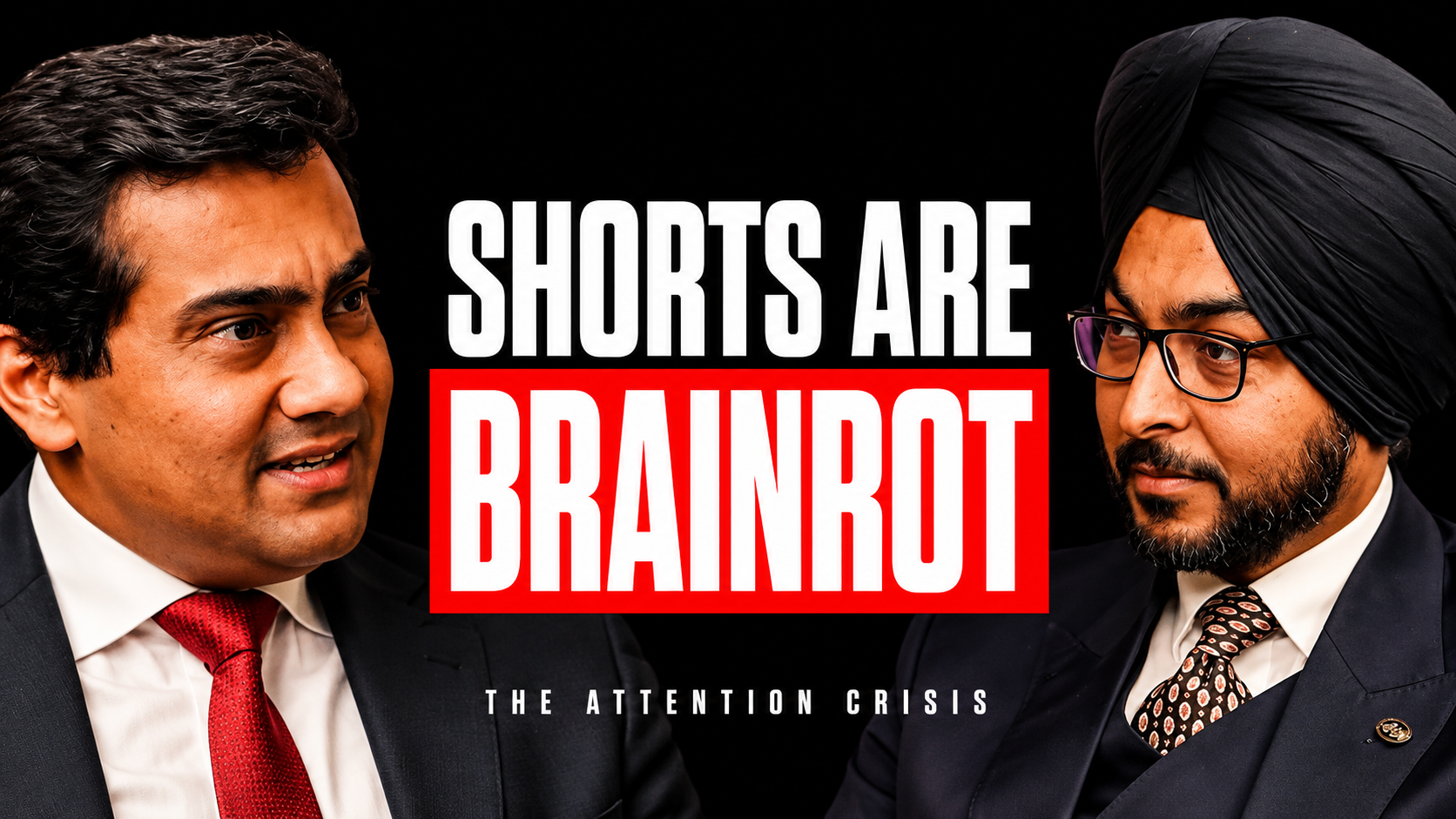
In an age dominated by TikTok, Instagram Reels and 15-second videos, the simple act of sitting quietly with a book can feel almost old-fashioned. Yet this conversation raises an important question: what do we lose when we lose the ability to read deeply? Reading is not just about information. It helps us enter the lives of other people, understand different perspectives, develop empathy, and recognise the nuance and complexity of human relationships. Short-form social media content often rewards speed, reaction and outrage, but books ask something different from us: patience, attention and reflection. As governments and societies begin to examine the impact of social media on young people, we also need to ask how we can rebuild healthier habits around attention, learning and human understanding.
Why Is Reading Important for Empathy?
Reading helps us understand people beyond our own experience. When we sit with a book, we enter the minds, emotions and struggles of characters who may be very different from us. That process builds empathy.
In the conversation, the speaker reflects on how reading develops the ability to see multiple perspectives. This is a skill society deeply needs. Human relationships are rarely simple. People carry histories, fears, hopes and contradictions. Books allow us to spend time with that complexity.
Unlike a short video that may push a quick reaction, reading gives us space to think. We are not just consuming content; we are engaging with people, choices and consequences. That is why the loss of deep reading is not only a personal issue. It affects how we relate to one another.
A society that reads less may also become less patient, less reflective and less able to understand difference.
How Does Short-Form Social Media Affect Attention Span?
Short-form social media is designed to capture attention quickly. Platforms such as Instagram and TikTok often reward fast movement, emotional reaction and constant scrolling. The concern raised in this conversation is that these habits may weaken our ability to focus for longer periods.
Reading a book requires a different kind of attention. It asks us to sit still, follow a story, remember details, and allow ideas to develop slowly. That patience can become harder when the brain becomes used to rapid content.
The speaker describes 15-second attack videos and nonsense videos as examples of content that cannot capture the nuance of real life. They may entertain or provoke, but they often do not encourage deep thought.
This does not mean every short video is harmful. But when short-form content becomes the main way people engage with the world, we risk losing the ability to concentrate, reflect and think carefully.
What Do We Lose When We Stop Reading Books?
When people stop reading books, they may lose more than a hobby. They may lose a skill that helps them understand complexity.
Books often show that life is not black and white. Characters can be flawed and still sympathetic. Conflicts can have more than one side. Human behaviour can be difficult, layered and surprising. This helps readers develop a more mature understanding of the world.
The conversation highlights that reading teaches us that human relations have nuance. That matters because public debate today can often feel rushed, angry and simplified. Social media can turn complex issues into quick opinions or attacks.
Reading slows us down. It gives us time to sit with discomfort, uncertainty and difference. Losing that habit could make society “less rich”, as the speaker suggests — less thoughtful, less imaginative, and less emotionally aware.
Why Are Governments Looking at Social Media Bans for Young People?
The conversation refers to a world-first social media ban passed by the federal government for people under 16, which other countries are now watching closely. The broader point is that societies are beginning to recognise the possible harm these technologies can cause, especially for young people.
The issue is not only about screen time. It is about attention, mental health, emotional development and the way young minds learn to process the world.
Young people are growing up in digital environments where comparison, distraction and fast content are constant. That can make it harder to develop patience, focus and reflective thinking.
The speaker also makes clear that government regulation may not be the only answer. Education and awareness are just as important. Families, schools and communities need a better understanding of how technology affects the brain and attention span.
The goal should not simply be restriction. It should be helping young people build healthier relationships with technology.
Can Education Help Rebuild Better Digital Habits?
Education can play a major role in helping people understand the impact of technology on attention, learning and wellbeing.
The speaker suggests that society may need greater understanding and better education around how harmful some technologies can be for our brains and attention spans. This is an important point. People cannot make better choices if they do not understand how platforms are designed to hold their attention.
Education could help young people ask better questions, such as: Why am I scrolling? How do I feel after using this platform? Am I learning something meaningful, or am I just reacting?
It can also encourage balance. Technology is not going away, but people can learn how to use it more consciously.
A stronger culture of reading, reflection and digital awareness may help people protect their attention and think more deeply.
Why Should We Return to Quiet Reading?
Quiet reading offers something rare in modern life: stillness. To sit with an old book and do nothing else for a period of time is a powerful act in a distracted world.
The speaker’s point is not simply nostalgic. It is practical. Reading trains attention. It strengthens imagination. It builds empathy. It helps us understand that people and situations are complex.
In a world of constant notifications, quiet reading gives the mind space to breathe. It allows us to slow down and reconnect with deeper thinking.
Returning to books does not mean rejecting technology completely. It means remembering that not every valuable experience is fast, loud or instantly shareable. Some of the most important forms of growth happen slowly, privately and patiently.
Reading remains one of the best ways to build a richer inner life and a more thoughtful society.
Final Thoughts: Protecting Attention in a Distracted World
This conversation reminds us that reading is not just an old habit. It is a human skill that helps us develop empathy, patience and perspective. If society loses the ability to sit quietly with a book, we may also lose part of our ability to understand one another.
Short-form platforms can be entertaining, but they cannot replace the depth of reading, reflection and meaningful conversation. As we think about young people, technology and the future of education, we must also think about what kind of society we want to build.
Join us for a moving and inspiring conversation at the National AI & Cybersecurity Leadership Summit 2026 on 19th June 2026. Together, we will explore the future of technology, leadership, safety, education and human wellbeing in a rapidly changing world.
I would love to hear your insights. How do you think we can help young people rebuild focus, empathy and healthier digital habits?