Why Creatives Should Be Paid Fairly, Not Offered “Exposure”
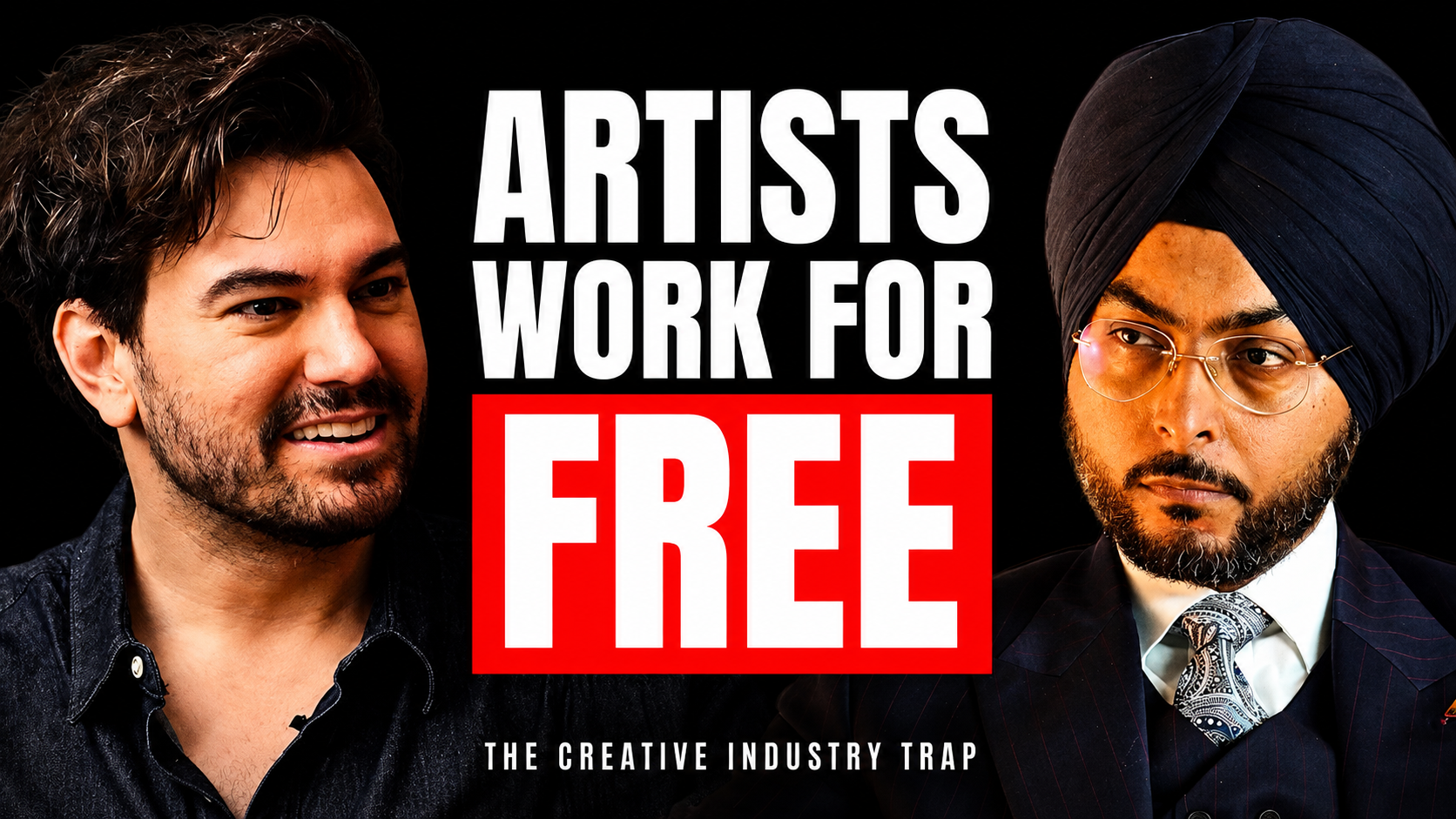
Creative work is often treated differently from other professional work. A builder would rarely be asked to build a wall for “exposure”, and an accountant would not usually be expected to complete a tax return for free. Yet artists, performers, dancers, singers, videographers and content creators are often asked to give their time, skill and labour without proper payment. In this conversation, the issue is raised with honesty and frustration: why is unpaid creative labour so normalised? The discussion highlights a deeper problem in how society values creative work. Just because someone enjoys what they do does not mean their work has no financial worth. Creative professionals deserve respect, fair treatment and proper pay.
Why Are Creatives Often Asked to Work for Exposure?
Creatives are often asked to work for exposure because their work is wrongly seen as passion rather than labour. The phrase sounds harmless, but it can become a way of avoiding payment.
In the conversation, the speaker recalls being asked to make a video for exposure. Their response is powerful because it compares creative work with other professions. Would someone ask a builder to build a wall for exposure? Would they ask an accountant to complete a tax return for exposure?
The answer is usually no.
Yet in creative industries, this expectation is often accepted and even encouraged. Artists are told that unpaid work will help them build their profile, gain experience or open doors. Sometimes that may be true, but exposure does not pay rent, bills, equipment costs, travel expenses or years of training.
Creative work is still work. It deserves to be treated that way.
Why Is “You Enjoy What You Do” Not a Fair Reason to Avoid Paying Artists?
The idea that artists should work for free because they enjoy their craft is unfair. Enjoying your work does not make it less valuable.
Many people enjoy aspects of their profession. A teacher may love teaching. A doctor may care deeply about patients. A builder may take pride in creating something strong and useful. But that does not mean they should be unpaid.
In the conversation, the speaker points out that creatives are often told they should feel blessed just to do the work. This creates pressure to stay quiet, accept poor conditions and avoid asking for basic needs.
When artists ask for payment, water, breaks or respect, they can be made to feel demanding. That attitude is damaging. It suggests that creative people should be grateful for any opportunity, even when that opportunity benefits someone else financially or reputationally.
Passion should not be used as an excuse for exploitation.
Should Artists Be Paid According to Fair Work Award Rates?
The conversation mentions that award rates exist through Fair Work, and this is an important point. Creative work should not sit outside basic standards of fair payment.
If there are rates, agreements or industry expectations that apply to a role, they should be respected. Artists, performers and content creators often bring specialised skills, preparation, equipment, rehearsal time and emotional energy to their work. Payment should reflect that.
The problem is that many creatives may feel uncomfortable enforcing their rights. The speaker asks how often we hear of artists suing someone for not being paid. That question reflects the reality of many creative industries, where people may fear being labelled difficult or losing future opportunities.
Fair pay should not depend on whether an artist is brave enough to complain. It should be built into the culture from the beginning.
Respecting award rates is not generosity. It is basic fairness.
Why Is Unpaid Creative Labour So Normalised?
Unpaid creative labour is normalised because many people still do not fully understand the time, cost and skill behind creative work.
A finished video, song, dance performance or piece of content may look effortless to the audience. But behind it are years of practice, planning, editing, rehearsing, equipment, travel, emotional labour and professional judgement.
The conversation shows how deeply this attitude has become accepted. Creatives are not only asked to work for free, they are sometimes told it is good for them. This makes the problem harder to challenge because exploitation is presented as opportunity.
There is also a power imbalance. Organisations, events or public figures may benefit from creative work while expecting the artist to be satisfied with visibility alone.
Exposure can have value in some situations, but it should not replace fair payment when real work is being requested.
Why Do Creatives Feel Guilty Asking to Be Paid?
Creatives often feel guilty asking to be paid because they are made to feel that their work is not “real work” in the same way as other professions.
The speaker describes how even asking for something small, like water, can be treated as if the artist is being difficult. This reflects a culture where creatives are expected to be grateful, quiet and endlessly flexible.
That guilt can stop artists from setting boundaries. They may accept unpaid gigs, poor conditions or vague promises because they do not want to appear ungrateful.
But asking to be paid is not rude. It is professional.
A singer, dancer, videographer or artist is providing a service. Their time has value. Their skill has value. Their presence has value. If others benefit from their work, especially in a commercial or public setting, payment should be part of the conversation.
Artists should not have to apologise for wanting fair treatment.
What Does This Say About How Society Values Creative Work?
This conversation reveals a troubling gap in how society values creative work compared with other forms of labour.
The speaker contrasts the treatment of artists with the treatment of politicians, who may receive salaries, superannuation, offices, staff and transport support. The point is not that leadership roles have no pressure. The point is that some professions are automatically treated as serious and worthy of resources, while creative work is often treated as optional or decorative.
Yet creativity shapes culture. Artists tell stories, bring people together, create emotion, document events, entertain communities and help us understand ourselves.
If society enjoys the benefits of creative work, it must also respect the people who produce it.
Valuing creativity means more than applause. It means fair pay, proper conditions and recognition that art is labour.
How Can We Start Treating Creative Professionals More Fairly?
We can start by changing the way we speak about creative work. Instead of asking artists to work for exposure, we should ask what their fee is.
Fair treatment begins with simple professional respect. That includes clear payment terms, realistic expectations, proper breaks, travel consideration and basic dignity.
Organisations should budget for creative work from the start. If a video, performance or artistic contribution is important enough to request, it should be important enough to pay for.
Creatives can also support each other by normalising conversations around rates and boundaries. The more openly people discuss fair pay, the harder it becomes to exploit individuals quietly.
Most importantly, we need to stop treating passion as payment. Artists may love what they do, but love does not replace income.
Final Thoughts: Exposure Is Not a Substitute for Respect
This conversation is a powerful reminder that creative work deserves the same respect as any other professional service. Asking an artist to work for exposure may sound casual, but it reflects a wider culture that undervalues creative labour.
If we would not ask a builder, accountant or other professional to work for free, we should not ask that of artists either. Singers, dancers, videographers, performers and creators deserve fair pay, clear expectations and basic respect.
Join us for a moving and inspiring conversation at the National AI & Cybersecurity Leadership Summit 2026 on 19th June 2026. The summit will bring together leaders, creators, innovators and changemakers to explore technology, leadership, fairness, safety and the future of work.
I would love to hear your insights. Have you ever been asked to work for exposure, and how do you think we can better value creative professionals?