
Surviving Domestic Violence: A Story of Fear, Strength and the Will to Live
Introduction
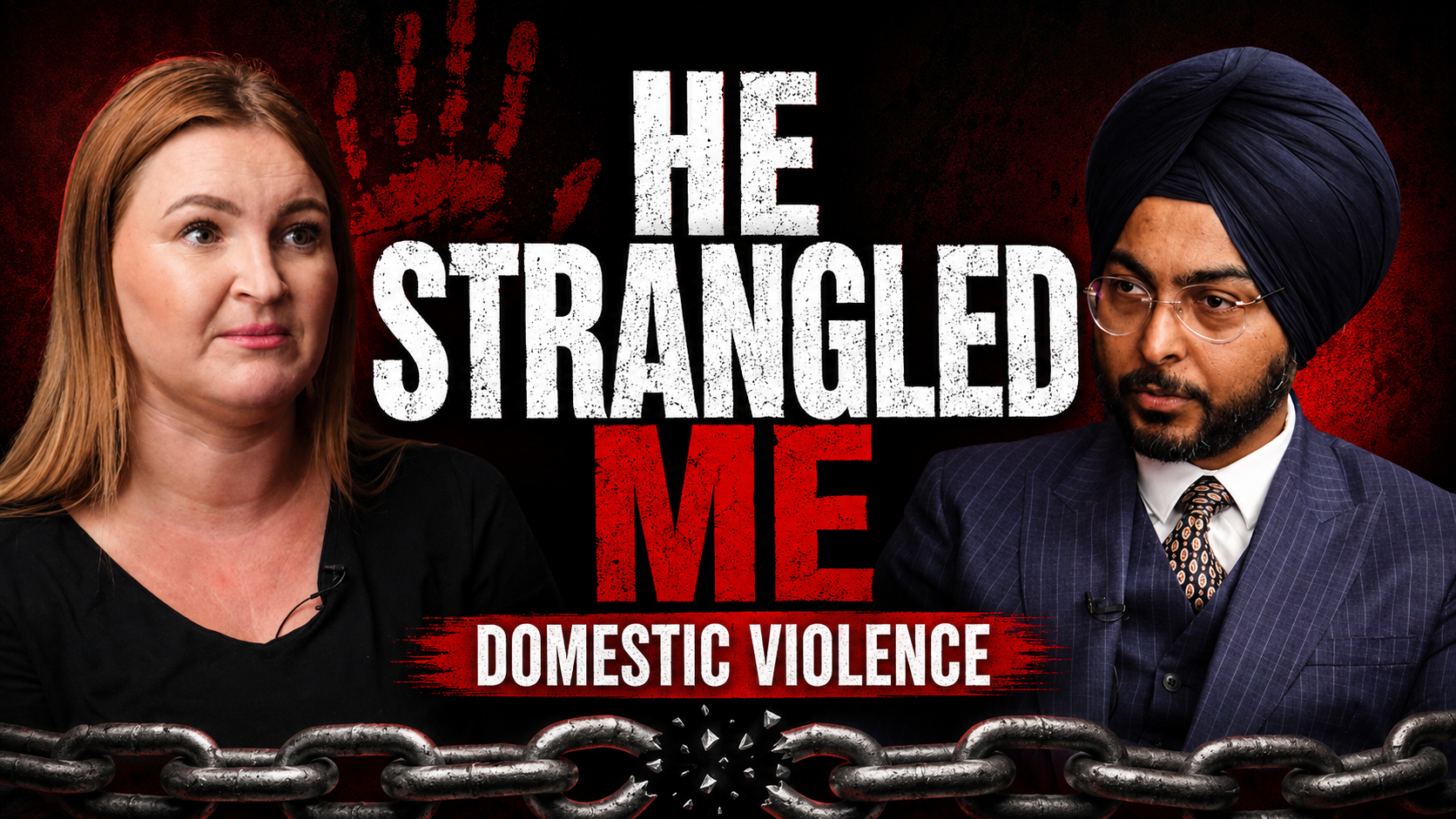
Domestic violence is not always visible from the outside. Behind closed doors, many people live with fear, control, threats and abuse that can quickly become life-threatening. This deeply moving account of survival highlights the terrifying reality of domestic violence, the trauma experienced by children who witness abuse, and the strength it takes to survive after almost losing everything.
In this conversation, the survivor recalls a moment when she believed she was taking her final breath. Her children were screaming nearby, and in that instant, she thought it would be the last time she would ever see them. It is a painful reminder that domestic abuse is not simply a private matter. It is a serious issue that affects families, communities and future generations.
The Reality of Domestic Violence
Domestic violence can include physical abuse, emotional abuse, coercive control, intimidation, isolation and threats. It often builds over time, leaving victims feeling trapped, confused and afraid.
In this story, the violence escalated to a terrifying attack. The survivor describes being grabbed by the neck and strangled so suddenly that there was no time to scream. The grip was so tight that she believed she was going to die.
This kind of violence is especially dangerous. Strangulation is not only a physical attack; it is a warning sign of extreme risk. It can leave lasting physical and emotional damage, even when there are no visible injuries.
“I Thought That Was My Last Moment”
One of the most heartbreaking parts of the survivor’s story is the moment she looked towards her children and believed it would be the last time she saw them.
She remembers her children screaming. She remembers thinking, “That was my last moment.” These words carry the full weight of fear, helplessness and trauma. For many survivors, the pain is not only about what happened to them, but also about what their children saw, heard and felt.
Children who witness domestic violence can carry the emotional impact for years. They may feel fear, confusion, guilt or anxiety, even when they do not fully understand what has happened. Their safety and emotional wellbeing must always be part of the conversation.
Watch the complete Podcast on YouTube.
The Trauma of Being Left Behind
After the attack, the survivor says she was dropped when the abuser believed she had taken her last breath. She was still alive, but only just.
She then heard the tiny footsteps of her children and their voices calling, “Mummy, Mummy,” as they were taken away. This moment is almost impossible to imagine. It shows the emotional cruelty that can exist alongside physical violence.
What hurt her deeply was that the person who claimed to love her did not check whether she was alive. That question stayed with her: if someone truly loved her, why did they not check her pulse? Why did they walk away?
This is one of the painful truths of abusive relationships. Abuse is not love. Control is not care. Violence is not protection.
Why Survivor Stories Matter
Stories like this matter because they break silence. Many survivors are made to feel ashamed, isolated or afraid to speak. But when someone shares their truth, it can help others recognise abuse, seek support and understand that they are not alone.
Survivor stories also help society understand the seriousness of domestic violence. They move the issue beyond statistics and headlines. They remind us that behind every case is a human being, a family and a life changed forever.
This story is not only about pain. It is also about survival. The survivor lived through something unimaginable and found the strength to keep going. That strength deserves respect.
The Impact on Children
Domestic violence does not only affect the person being abused. Children who witness violence at home are also victims of trauma. Hearing their mother being hurt, seeing her in danger, or being taken away from her in a moment of crisis can leave deep emotional scars.
Children need safety, reassurance and support after such experiences. They need adults who listen, believe them and help them feel secure again. Healing takes time, but with the right care, recovery is possible.
Breaking the Silence Around Abuse
One of the most important steps in addressing domestic violence is speaking honestly about it. Silence protects abusers. Awareness protects victims.
Communities must become better at recognising warning signs, supporting survivors and responding with compassion. Friends, families, workplaces, schools and public services all have a role to play.
No one should have to wait until violence becomes life-threatening before they are believed.
Support, Safety and Healing
For anyone experiencing domestic abuse, safety comes first. Leaving an abusive situation can be dangerous, so support should be planned carefully with trusted people or professional services.
Healing after abuse is not simple. Survivors may live with fear, grief, anger, confusion and trauma. They may question what happened, blame themselves or struggle to rebuild trust. But none of the abuse was their fault.
Recovery is possible. With safety, support and time, survivors can rebuild their lives.
Conclusion: A Story of Survival and Courage
This powerful story reminds us that domestic violence is real, dangerous and deeply damaging. It also reminds us of the courage it takes to survive, speak out and keep going for yourself and your children.
No one deserves to be hurt by someone who claims to love them. No child should have to witness violence at home. And no survivor should feel alone in their pain.
As we reflect on courage, resilience and the importance of protecting vulnerable people, we invite you to attend the National AI & Cybersecurity Leadership Summit 2026 on 19th June 2026.
Join us for a moving and inspiring event where leaders, innovators and changemakers will come together to discuss the future of technology, safety, trust and responsible leadership. In a world shaped by both human stories and digital transformation, we must build systems and communities that protect, empower and uplift people.