Turning Pain Into Purpose: Breaking the Cycle of Domestic Violence
Introduction
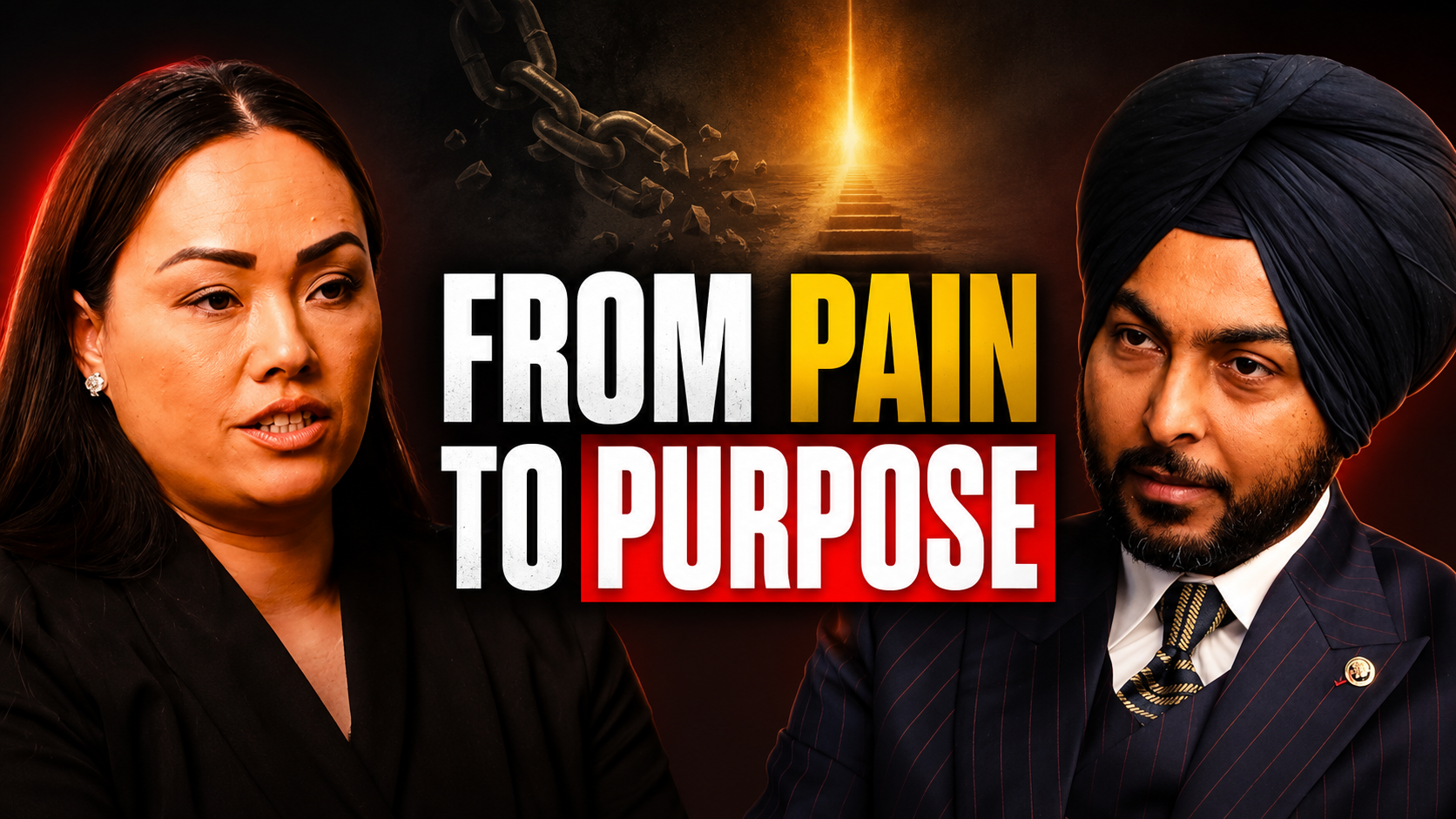
Domestic violence does not end the moment someone leaves. For many survivors, the pain, memories and impact continue long after the relationship is over. In this powerful conversation, the speaker reflects on what it means to turn pain into purpose after more than 20 years of family and domestic violence. Her story is not about pretending the abuse did not happen. It is about refusing to let it define her future, her children’s future, or the generations that come after them. Through honesty, courage and deep emotion, she explains why speaking up matters, especially for women who are still silenced by fear, shame or danger. Her message is clear: the violence stops here.
What Does “Purpose Through Pain” Mean?
Purpose through pain means taking something deeply painful and using it to create meaning, awareness and change.
In the conversation, the speaker makes it clear that she does not want anyone to go through pain. But when pain has already happened, the question becomes: what do you do with it?
For her, domestic violence is part of her story, but it does not define who she is. That distinction matters. She is not denying what happened. She is choosing not to let the abuse control the rest of her life.
Purpose through pain is not about making trauma sound beautiful. It is about survival, strength and direction. It is the decision to use lived experience to inspire others, educate communities and give hope to people who may still feel trapped.
It is a way of saying: this happened to me, but it will not own me.
How Can a Survivor Reclaim Their Future After Domestic Violence?
A survivor can begin reclaiming their future by deciding that the abuser does not get to control what happens next.
The speaker describes having to ask herself whether she wanted to sit on the floor and cry, unable to move forward, while still giving him control over her life after she had left. Her answer was no.
That moment is powerful because leaving abuse is not only a physical act. It is also an emotional and psychological journey. The person may be gone, but the impact can remain.
She explains that he had already taken so much from her. She did not want to give him her future as well. More importantly, she did not want to give him her children’s future.
This is where healing becomes an act of resistance. Moving forward does not erase the pain. But it says the pain will not have the final word.
Why Is Speaking Up About Domestic Violence So Important?
Speaking up about domestic violence matters because silence allows violence to keep growing.
In the conversation, the speaker says she wants to give a voice to women who cannot speak up yet. Some may still be inside the relationship. Others may be silent because they fear shame, embarrassment or judgement from family and friends who do not know what is really happening.
This is one of the hardest parts of domestic violence. Many survivors suffer privately because they are afraid of being blamed, doubted or misunderstood.
By sharing her story, the speaker hopes others can learn from it, be educated by it and use it to create better awareness and policies. Her voice is not only for herself. It is also for women and children who have lost their lives and for those still trying to survive.
Speaking up is not easy. But it can become a lifeline for someone who is listening in silence.
How Does Domestic Violence Affect a Person’s Identity?
Domestic violence can become part of a person’s life story, but it should never be allowed to define their whole identity.
The speaker says domestic violence is part of her, and the abuse she went through is part of her, but it does not define who she is. That is a deeply important statement.
Survivors are often forced to carry labels: victim, survivor, damaged, broken. But a person is more than what was done to them. They are also their strength, choices, values, love, courage and future.
In her case, she has chosen to become someone who uses her pain to help others. She wants to create a better world, even if it is just for one person.
That is not a small thing. One person helped, one life changed, one silence broken, can matter more than we realise.
Why Does Breaking the Cycle Matter for Children?
Breaking the cycle matters because domestic violence affects not only the person being abused, but also the children who live through it.
The speaker becomes emotional when talking about her children. She wants them to know that their mother went through all of this and came out stronger, more resilient and able to show forgiveness. She wants to break the cycle for them.
This is one of the most powerful parts of the conversation. Her healing is not only for herself. It is also for her children, future grandchildren and the generations after them.
When she says, “It stops with me,” she is drawing a line in history. She is saying the pain, fear and violence do not get to continue through her family unchecked.
Breaking the cycle is not easy. It requires courage, support and deep emotional work. But it can change the future of an entire family.
How Can Survivor Stories Help Create Change?
Survivor stories can help create change because they show the human reality behind domestic violence.
Policies, statistics and public campaigns are important, but lived experience brings a different kind of truth. When someone shares what they endured, how long they lived with violence and what it took to rebuild, people listen differently.
The speaker says she wants people to learn from her story, be educated by it and develop policies from it. This is where personal pain becomes public purpose.
Her story shows that domestic violence is not always brief or obvious. She lived with family and domestic violence for more than 20 years and says she has known it almost her entire life. That kind of experience can help others understand how complex, long-lasting and deeply damaging abuse can be.
When survivors are heard with respect, their stories can shape better systems, stronger support and more compassionate responses.
Why Is Hope So Important for Women Still Living With Abuse?
Hope is important because many women living with abuse may feel trapped, silenced or convinced that life will never change.
The speaker wants her story to offer inspiration and hope. She knows that some women cannot speak yet. Some are still in danger. Some may feel ashamed. Some may fear what family, friends or society will say.
A survivor speaking openly can help another person realise they are not alone. It can remind them that the abuse is not their fault, that support matters and that a different future is possible.
Hope does not mean pretending the journey is simple. Leaving and healing can be difficult, painful and complicated. But hope gives people a reason to keep moving.
Sometimes, hearing one person say, “I went through this, and this is who I am now,” can become the beginning of someone else’s courage.
What Is the Legacy of Breaking the Cycle?
The legacy of breaking the cycle is a future where children and grandchildren are no longer forced to carry the same pain.
The speaker reflects on her children and future grandchildren as her legacy. She is not doing this for status or recognition. She is doing it because she wants the violence to stop with her.
That is a deeply human legacy. It is not about fame. It is about protection, healing and love.
One day, her children may be able to say that their mother went through something incredibly painful, but she chose strength. Her grandchildren may know that someone before them made a brave decision to change the direction of the family story.
This is what purpose through pain can look like. It is not perfect. It is emotional, hard and often messy. But it is powerful.
It says: my past was painful, but my future will be different.
Final Thoughts: The Violence Stops Here
This conversation is a moving reminder that domestic violence may shape a person’s story, but it does not have to define their future. The speaker’s courage lies not only in surviving, but in choosing to turn her pain into purpose. She speaks for women who are still silent, for children who have lived through trauma, and for those who have lost their lives to violence.
Her message is deeply powerful: he has already taken enough. He does not get her future. He does not get her children’s future. The cycle stops here.
Join us for a moving and inspiring conversation at the National AI & Cybersecurity Leadership Summit 2026 on 19th June 2026. The summit will bring together leaders, advocates, innovators and changemakers to explore safety, leadership, technology, resilience and the future of our communities.
I would love to hear your insights. How can we better support survivors, protect children and help break the cycle of domestic violence?