
Equal Pay in Practice: Why Gender Should Never Decide the Value of Work
Topics Discovered: equal pay, gender equality, workplace fairness, women in transport, pay equity, leadership, workforce inclusion
Introduction
Equal pay is not just a policy issue; it is a fairness issue. In every workplace, people should be paid based on the role they perform, the skills they bring, and the responsibilities they carry — not their gender. Whether someone is working as a transit officer, a locomotive driver, or in any other frontline or leadership position, the principle remains the same: if the job is the same, the pay should be the same.
This conversation highlights an important and practical truth about workplace equality. When men and women are doing the same job, their day-to-day pay packet should not be different. Fair pay builds trust, strengthens organisations, and sends a clear message that every worker is valued equally.
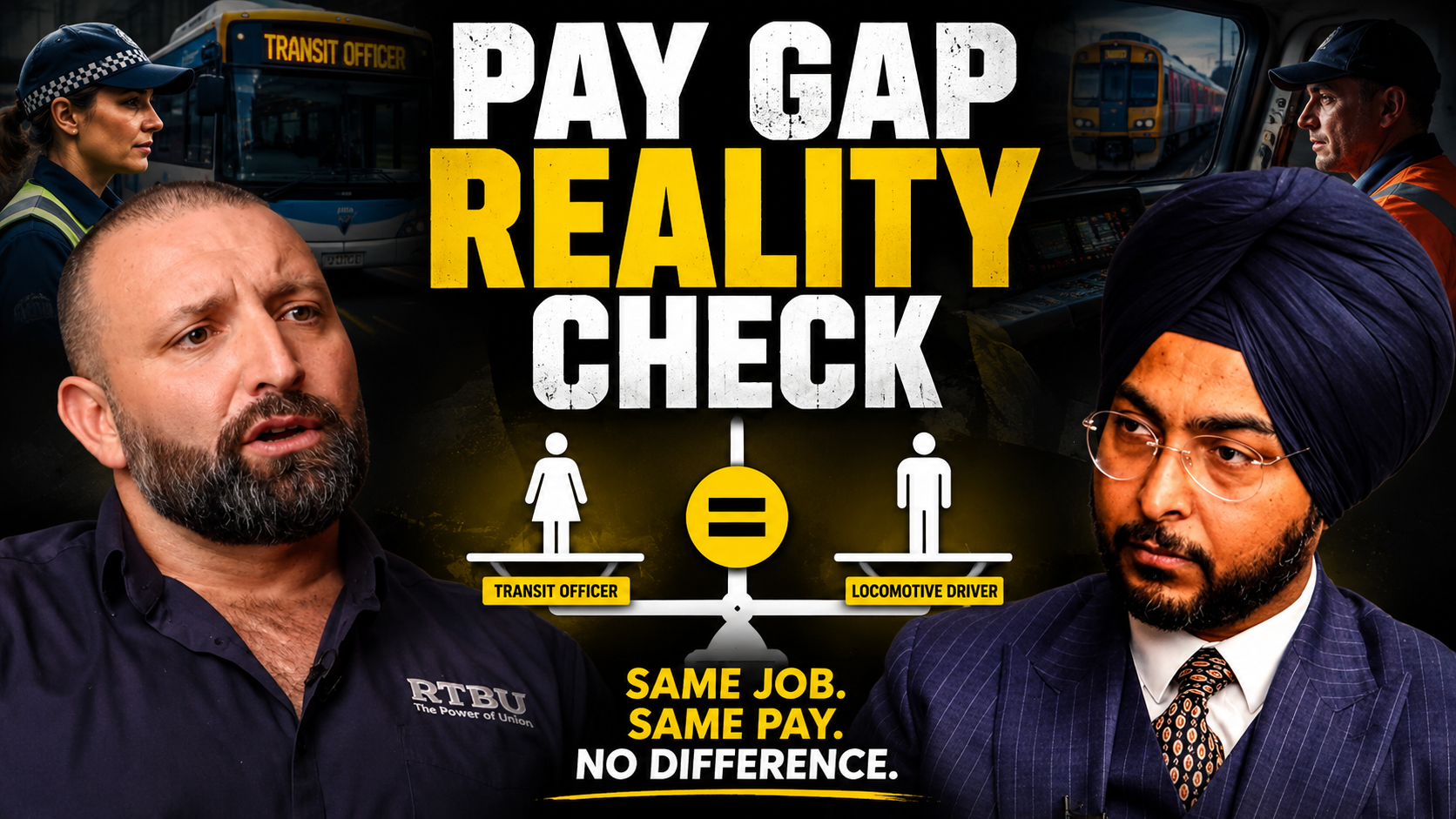
Why Equal Pay Matters in the Modern Workplace
Equal pay is one of the clearest measures of fairness in any organisation. It shows whether a workplace genuinely respects skill, responsibility, and contribution.
When a female transit officer and a male transit officer are doing the same role, there should be no difference in their pay simply because of gender. The same applies to locomotive drivers, frontline workers, technical staff, and leadership roles. The value of the work does not change depending on whether the employee is male or female.
Fair pay helps create a stronger workplace culture. It improves morale, encourages people to stay, and builds confidence among employees that their organisation is treating them with respect.
Equal Work Deserves Equal Pay
The core principle is simple: equal work deserves equal pay.
If a woman and a man are both qualified, both performing the same duties, and both carrying the same responsibilities, their pay should reflect the role — not outdated assumptions about gender.
This matters especially in industries such as transport, infrastructure, technology, cybersecurity, and public service, where roles have traditionally been male-dominated. As more women enter these sectors, organisations must ensure that pay structures remain fair, transparent, and consistent.
Why Gender Should Make No Difference to Pay
A person’s gender should not affect their day-to-day pay packet. What should matter is the role, the level of responsibility, experience, qualifications, and performance.
For example, if someone is working as a transit officer, whether they are female or male should make no difference to their pay. If someone is a locomotive driver, the same principle applies. The job has a defined responsibility, and the pay should match that responsibility.
This approach is not only fair; it is also practical. It removes confusion, reduces workplace tension, and helps organisations attract the best people for the job.
The Link Between Pay Equity and Leadership
Pay equity is also a leadership issue. Strong leaders do not just talk about fairness; they build systems that make fairness real.
That means reviewing pay structures, identifying gaps, listening to employees, and creating clear policies that protect equality across the workforce. It also means ensuring that women have access to career progression, training, and leadership opportunities.
When leaders take equal pay seriously, they help create workplaces where people feel respected and motivated.
Building Fairer Workplaces for the Future
The future of work depends on fairness, inclusion, and trust. As industries change through technology, automation, AI, and cybersecurity, it is essential that equality remains at the centre of workplace decisions.
Fair pay is one of the foundations of that future. It tells employees that their contribution matters. It also tells the wider community that the organisation is committed to doing the right thing.
Workplaces that embrace equal pay are not only more ethical; they are also more competitive, more innovative, and better prepared for the future.
Conclusion
Equal pay should not be complicated. If two people are doing the same job, with the same responsibilities, gender should make no difference to their pay. Whether in transport, technology, public service, or leadership, fairness must be more than a slogan — it must be reflected in everyday decisions.
As we continue important conversations about equality, leadership, technology, and the future of work, we invite you to attend the National AI & Cybersecurity Leadership Summit 2026 on 19th June 2026. Join us for a moving and inspiring event that brings together leaders, professionals, and changemakers to explore how AI, cybersecurity, and ethical leadership can shape a safer, fairer, and more inclusive future.