
Sikh and Indian War History: A Forgotten Pilgrimage Waiting to Happen
War history is often remembered through national stories. Australians travel to Gallipoli, Pozieres, Ypres, Fromelles and Villers-Bretonneux to understand the sacrifice of their soldiers. These journeys are not just holidays. They are pilgrimages of memory, identity and historical connection.
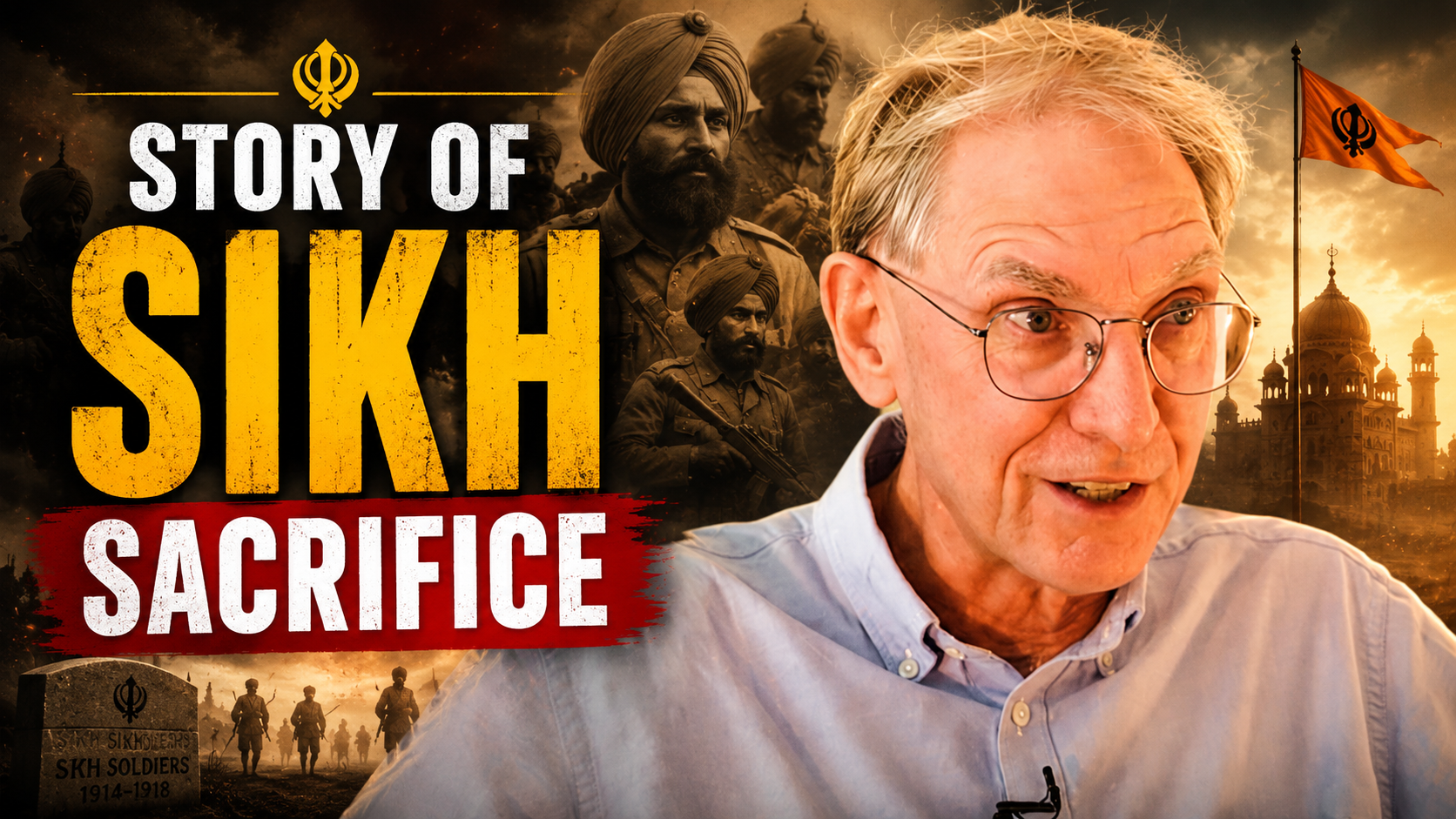
In this conversation, the focus turns to another powerful but often overlooked story: the role of Indian soldiers, including Sikh soldiers, in the First World War. For many Sikh and Indian diaspora communities living in Australia, Britain and across the Western world, there is a real opportunity to reconnect with this history through meaningful travel to the places where their community served.
The question is simple but important: where should that journey begin?
Why Battlefield Pilgrimage Matters
For the last few decades, Australians, New Zealanders and British families have travelled to major First World War sites to understand their national military history. These journeys have shaped public memory. They have helped ordinary people understand names, places and battles that might otherwise remain distant.
When Australians hear names such as Gallipoli, Pozieres or Villers-Bretonneux, many understand their emotional and historical weight. That awareness did not happen by accident. It was built through education, memorials, tours, family stories and repeated acts of remembrance.
The same opportunity exists for Sikh and Indian diaspora communities.
By visiting battlefields, cemeteries and memorials connected to Indian service, families can build a stronger connection with their own community history.
The Indian Army in the Great War
The Indian Army was deployed widely during the First World War. Unlike Australian forces, whose major campaigns are often remembered through Gallipoli, the Middle East and the Western Front, Indian soldiers served across many theatres.
They were present in Gallipoli, Mesopotamia, Palestine, the Western Front and other parts of the wider war. This makes the Indian story both powerful and complex.
It is powerful because Indian soldiers served in difficult and significant campaigns across the world. It is complex because the history is spread across many locations, some of which are difficult or unsafe to visit today.
This is why carefully planned pilgrimage routes matter.
Gallipoli as a Starting Point for Sikh Australians
Gallipoli stands out as one of the most realistic and meaningful starting points for Sikh Australians and Indian diaspora groups.
It is already a major battlefield pilgrimage site. It has established visitor routes, memorial spaces and historical infrastructure. For a group wanting to begin reconnecting with Sikh military history, Gallipoli offers a practical and emotionally significant journey.
The conversation suggests that a five-day itinerary could easily be created for Sikh Australians to visit the main places where Sikhs served on Gallipoli. Such a journey would not only honour military sacrifice, but also help the community understand its place in the wider history of the First World War.
For many families, this could become a deeply moving form of heritage travel.
Watch the complete Podcast
The Western Front and Indian Memorials
The Western Front also offers a powerful route for Indian and Sikh diaspora communities.
Indian soldiers served on the Western Front for around a year to 18 months. Their contribution has been recorded by historians and commemorated through cemeteries and memorials created by what was then the Imperial War Graves Commission.
These memorials can become the anchor points of a meaningful tour through France and Belgium. They allow visitors to follow the story of Indian service in a place where the memory of the First World War remains visible in the landscape.
For Sikh and Indian communities in Britain, this is especially accessible. France and Belgium are close, and the Sikh diaspora in Britain is large. Yet this history has not been fully embraced as a pathway to community understanding.
That is a missed opportunity.
Why Historical Literacy Matters
Battlefield pilgrimage increases historical literacy. It gives people a way to understand history through place, memory and personal experience.
Reading about a battle is one thing. Standing on the ground where soldiers served is another. Seeing a cemetery, reading names, walking through a memorial and understanding the conditions of war can change how people relate to the past.
For diaspora communities, this can be especially meaningful. It helps younger generations understand that their history is not separate from global history. Sikh and Indian soldiers were part of some of the most significant events of the twentieth century.
Their service deserves to be remembered.
The Challenge of Gaza and Other Sites
Not every historic site is accessible.
The conversation raises the Battle of Gaza, where Indian soldiers also served. But Gaza is not a realistic pilgrimage destination in the near future. The current situation makes travel unsafe, and there are concerns about war cemeteries and memorial damage.
This highlights the importance of choosing routes that are both meaningful and practical. Gallipoli, France and Belgium offer safer and more established options for diaspora communities wanting to begin this journey.
The goal should be to start where people can go, learn, gather and remember with dignity.
Reclaiming Community History
For many Sikh and Indian families in the diaspora, military history may feel distant. It may not be discussed in schools, family gatherings or mainstream public remembrance.
But that can change.
Community groups, educators, historians, tour organisers, cultural organisations and families can work together to create journeys that bring this history to life. These tours do not need to be only about military strategy. They can also be about identity, sacrifice, migration, belonging and intergenerational memory.
They can help people ask: who served before us, where did they go, what did they endure, and how should we remember them?
A Wider Lesson About Memory and Belonging
This conversation is not only about war history. It is also about belonging.
Diaspora communities often carry multiple histories. They belong to the countries they live in, while also carrying the memory of ancestral homelands, languages, faiths and sacrifices. Battlefield pilgrimage can help connect those layers.
For Sikh Australians, Indian Australians, British Sikhs and the wider Indian diaspora, visiting Gallipoli or the Western Front can become a way of saying: our community was there too. Our history is part of this wider story.
That recognition matters.
Final Thoughts
The story of Sikh and Indian soldiers in the First World War deserves far greater public attention. It is a story of service, sacrifice and global history, but also one that can help diaspora communities better understand themselves.
Gallipoli, the Western Front, Indian cemeteries and memorials offer powerful places to begin. These journeys can deepen historical awareness, strengthen community identity and honour those whose service has too often been left at the edge of public memory.
For the Sikh and Indian diaspora, this is more than travel. It is a pilgrimage into history, belonging and remembrance.
Join Us at the National Care Sectors Conference: NDIS, Aged Care & Childcare 2026
Memory, identity, belonging and community connection matter across every part of society, including Australia’s care sectors. Whether we are supporting children, older Australians, people with disability, families or multicultural communities, we need systems that recognise people’s full stories, including culture, history and lived experience.
Join us for a moving and inspiring experience at the National Care Sectors Conference: NDIS, Aged Care & Childcare 2026 on 28 August 2026.
This national conference will bring together providers, policymakers, sector leaders, advocates, educators, innovators and community voices to explore the future of care, workforce, quality, governance, inclusion, cultural understanding and human-centred leadership.
Be part of the conversation shaping stronger, more inclusive and more connected care systems.