
Introduction
Human rights, mental health reform and leadership are deeply connected. In this conversation, the speaker reflects on the ongoing advocacy for a public inquiry into a Human Rights Act in New South Wales, while also making an important point: legislation alone will not solve every problem. A Human Rights Act may help strengthen accountability, transparency and protections for people, but meaningful change also requires a shift in culture, mindset and everyday practice. True person-centred care must be more than a phrase. It must shape how systems respond to people across their whole journey. The conversation also explores lived experience leadership, self-care, boundaries and the emotional cost of trying to create change from a place of personal experience.
By Dev Singh
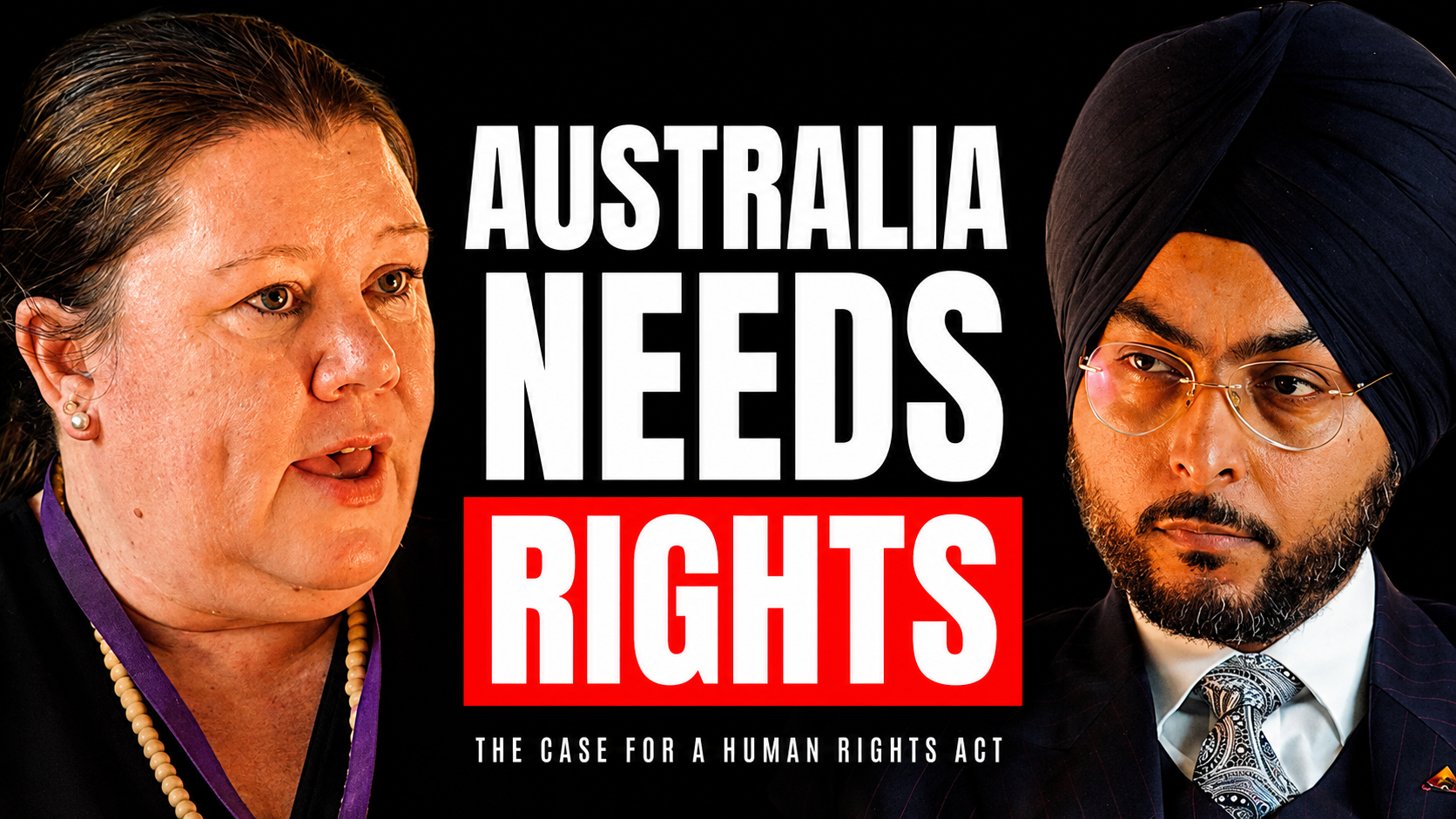
Why Is a Human Rights Act Being Discussed in New South Wales?
A Human Rights Act in New South Wales is being discussed because people are seeking stronger protections, clearer accountability and more transparency within public systems.
In the conversation, the speaker explains that they have been advocating for a public inquiry into a Human Rights Act in New South Wales. The point is not that legislation will fix every issue overnight. It will not. But it may create a stronger framework for protecting people and holding systems accountable.
This matters because when people are vulnerable, especially within health, disability, justice or mental health systems, they need more than goodwill. They need rights that are recognised, respected and applied in practice.
A Human Rights Act can help set expectations for how people should be treated. It can also give individuals and families more confidence that their voices matter when decisions are being made about their lives.
Why Is Legislation Alone Not Enough to Create Change?
Legislation can help, but it cannot change culture on its own. That is one of the strongest themes in this conversation.
The speaker makes it clear that a Human Rights Act would need to sit alongside adaptive behavioural change. In other words, systems must not only follow rules; they must also change how they think, behave and respond to people.
A law may create accountability, but real change happens when people inside organisations begin to ask better questions. What does person-centred care actually mean? How does it feel for the person receiving support? What does dignity look like in daily practice?
Without a change in mindset, even well-written legislation can become another policy document that does not reach the people it was meant to protect.
This is why reform needs both structure and humanity. Systems need rules, but they also need compassion, reflection and a willingness to change.
What Does Person-Centred Care Truly Mean in Practice?
Person-centred care means seeing the whole person, not just their diagnosis, file, behaviour or crisis point.
In the conversation, the speaker asks an important question: what does person-centred truly look like? This is not just a technical question. It is a deeply human one.
In practice, person-centred care means listening to the person’s story, understanding their journey, respecting their choices, and recognising that support may need to change over time. It means asking what matters to the person, not simply what is the matter with them.
It also means looking beyond one appointment, one service or one decision. A person’s journey may include family, trauma, recovery, setbacks, strengths and hopes. Good care must be flexible enough to respond to that complexity.
When systems become genuinely person-centred, people are not treated as problems to be managed. They are treated as human beings to be supported.
Why Does Leadership Need a Systems Lens?
Leadership requires the ability to see both the big picture and the human detail. The speaker describes leadership as looking adaptively at the environment, the broader system and the culture that sits underneath it.
A systems lens helps leaders understand that problems are rarely isolated. If people are not being treated with dignity, the issue may not be only one worker, one service or one policy. It may be connected to culture, funding, training, workload, fear, stigma or outdated thinking.
This kind of leadership asks deeper questions. What is the system encouraging? Where are people falling through the cracks? How does the culture shape behaviour? What needs to shift so that people are genuinely supported?
Good leadership does not only react to crisis. It studies the environment, notices patterns and works towards long-term change.
That is why leadership in human rights and mental health reform must be adaptive, reflective and courageous.
How Does Lived Experience Shape Better Advocacy?
Lived experience can bring honesty, urgency and insight into advocacy. In the conversation, the speaker explains that they work within a lived experience organisation, where personal experiences help shape what they see and how they respond.
This matters because people who have lived through a system often understand things that policy alone cannot capture. They know how it feels to be dismissed, misunderstood, overwhelmed or unsupported. That insight can reveal gaps that others may miss.
At the same time, the speaker also explains that their view is shaped by listening to many other people and hearing what they are experiencing. That balance is important. Lived experience leadership is not only about one person’s story. It is about connecting personal insight with the broader experiences of a community.
When lived experience is respected, advocacy becomes more grounded, more compassionate and more connected to real life.
Why Are Boundaries Important in Leadership?
Boundaries are essential because leadership, especially lived experience leadership, can be emotionally demanding.
The speaker shares that there are times when the media may call, including ABC News, and they will simply say, “It’s not a good moment.” That might be because they have had a challenging day or night with Amber and know they are not in the right space to speak publicly.
This is a powerful example of self-awareness. Leadership does not mean always being available. It does not mean sacrificing your wellbeing every time someone asks for your voice.
Setting a boundary allows a person to return when they are stronger, clearer and more able to contribute meaningfully. It is not weakness. It is wisdom.
For people who care deeply about change, boundaries help protect the energy needed to keep going. Without them, even the most committed leaders can burn out.
What Is Crucible Leadership?
Crucible leadership refers to leadership shaped by difficult personal experience. It often comes from people who have lived through hardship and use that experience to create change for others.
In this conversation, the speaker describes being in the work because of their own experience and their desire to make things better for other people. That is deeply meaningful, but it can also be emotionally heavy.
When someone wears their heart on their sleeve, the work is not separate from their life. The issues are personal. The stories are close. The urgency is real.
That kind of leadership can be powerful because it is authentic and deeply motivated by purpose. But it also requires care. People leading from lived experience must be supported to rest, pause and set limits.
Crucible leadership can change systems, but leaders must not lose themselves in the process.
Why Does Self-Care Matter for Changemakers?
Self-care matters because people working for change are often carrying emotional weight that others may not see.
The speaker reminds us that when your work comes from personal experience, you may feel deeply responsible for making things better. That sense of purpose can be a strength, but it can also make it difficult to stop, rest or say no.
Self-care is not selfish. It is part of sustainable leadership. It allows advocates, carers and changemakers to keep showing up without completely exhausting themselves.
Setting boundaries, rescheduling media interviews, recognising hard days and protecting emotional energy are all practical acts of self-care.
The lesson here is simple but important: people who fight for dignity and justice also deserve dignity and care themselves.
Final Thoughts: Human Rights Reform Must Be Human at Its Core
This conversation reminds us that real reform requires more than legislation. A Human Rights Act in New South Wales may help strengthen accountability, transparency and protection, but the deeper work is cultural. We need systems that understand what person-centred care truly means, leaders who can see the bigger picture, and organisations that respect lived experience.
We also need to remember that the people driving change are human too. They need boundaries, self-care and support, especially when their leadership comes from personal experience and deep emotional commitment.
Join us for a moving and inspiring conversation at the National AI & Cybersecurity Leadership Summit 2026 on 19th June 2026. The summit will bring together leaders, thinkers and changemakers to explore technology, safety, leadership, human rights and the future of society.
I would love to hear your insights. What does true person-centred care mean to you, and how can leadership create systems that protect dignity in practice?
— Dev Singh