
Recognising Domestic Violence Beyond Physical Abuse
Domestic violence is often misunderstood as only physical violence. In reality, it can include emotional abuse, psychological manipulation, financial control, intimidation, isolation, threats and coercive control.
A survivor may be made to feel as though they are overreacting, imagining things or responsible for the abuser’s behaviour. This can make it extremely difficult to identify abuse while living inside it.
Common signs of domestic violence and coercive control may include:
- Being constantly criticised, humiliated or blamed
- Feeling afraid of a partner’s reaction
- Being isolated from friends, family or support networks
- Having money, transport or communication controlled
- Being threatened directly or indirectly
- Being manipulated into believing the abuse is your fault
- Feeling trapped, confused or unsafe in your own home
The truth is simple: abuse is never the survivor’s fault.
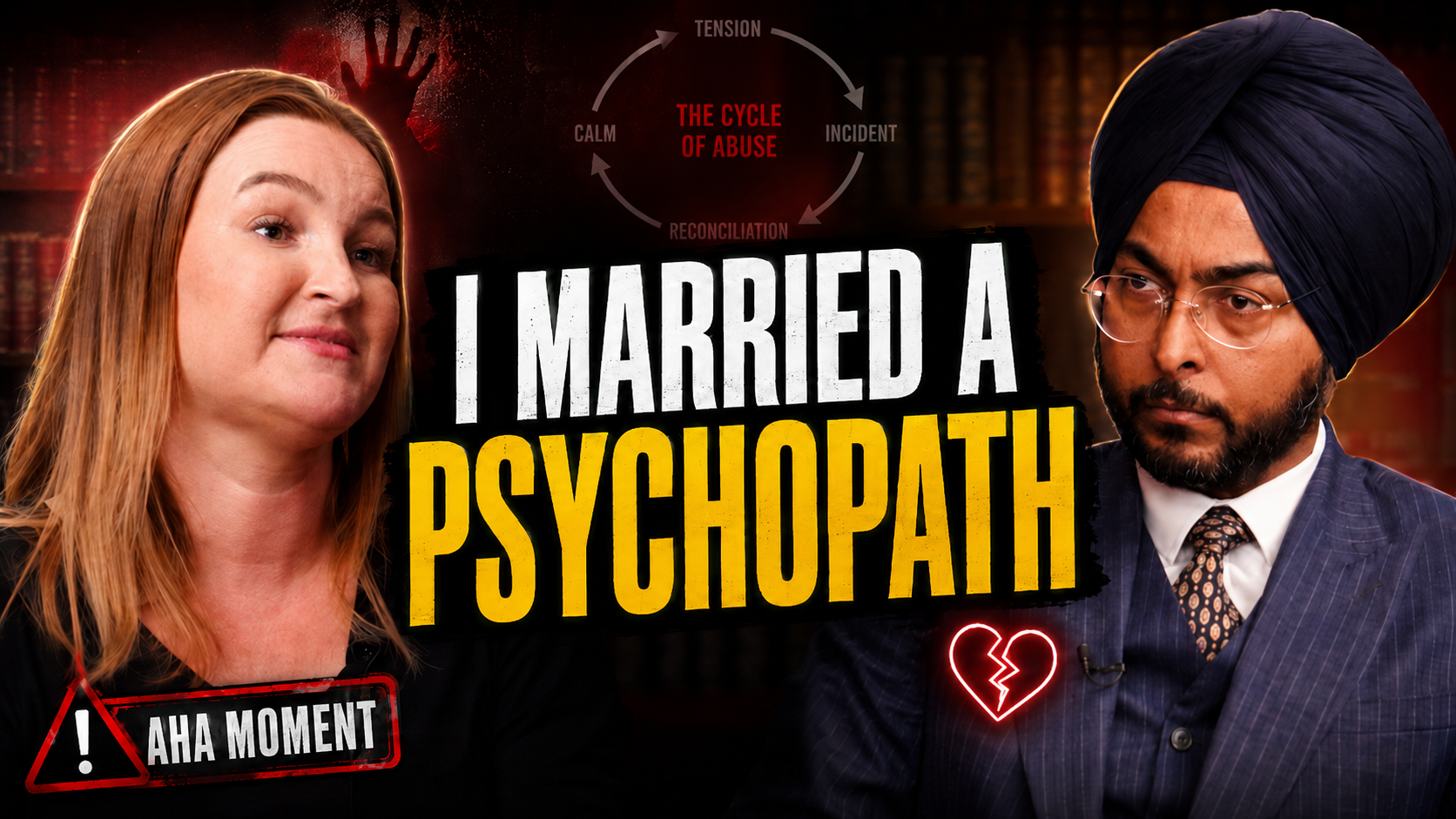
The Power of the “Aha Moment”
The “aha moment” can be painful, but it can also be the beginning of freedom. It is the point where a survivor begins to name the behaviour, understand the pattern and recognise the seriousness of their situation.
When survivors are shown tools such as the cycle of abuse or the power and control wheel, many suddenly see their experiences reflected clearly. What once felt like isolated incidents begins to appear as a pattern.
That recognition matters. It can help survivors move from self-blame to self-protection. It can also open the door to specialist support, safety planning and recovery.
Why Survivor Stories Matter
Survivor stories are powerful because they break silence. They help others realise they are not alone. They also challenge the stigma that often surrounds domestic violence.
When someone says, “I did not know I was in domestic violence,” that statement reflects how complex abuse can be. Many survivors are loving partners, parents, professionals and community members who are doing everything they can to survive in impossible circumstances.
Listening with compassion, rather than judgement, is essential.
Watch the complete Podcast on YouTube.
Creating Safer Communities Through Awareness and Leadership
Domestic violence prevention is not only a private issue; it is a community responsibility. Workplaces, schools, healthcare services, technology platforms, policymakers and community leaders all have a role to play in identifying risks, supporting survivors and preventing harm.
In an increasingly digital world, abuse can also extend into online spaces through stalking, surveillance, harassment, image-based abuse and technology-facilitated control. This makes leadership in cybersecurity, artificial intelligence and digital safety more important than ever.
We need systems that protect people. We need leaders who understand risk, responsibility and human impact. Most importantly, we need conversations that place safety, dignity and survivor voices at the centre.
Final Thoughts
The journey from fear to awareness is deeply personal. For many survivors, the “aha moment” is the beginning of understanding, healing and reclaiming control.
If you or someone you know may be experiencing domestic violence, seek support from a trusted professional, local domestic abuse service or emergency services if there is immediate danger.
To continue this important conversation around safety, leadership, technology and human impact, we invite you to attend the National AI & Cybersecurity Leadership Summit 2026 on 19th June 2026.
Join us for a moving and inspiring event focused on leadership, protection, innovation and building safer futures for all.