Human Rights, Global Politics, and Ethical Responsibility: Navigating a Complex World
Introduction
In an increasingly interconnected world, the intersection of human rights, global politics, and economic relationships has become more complex than ever. Nations often find themselves balancing ethical responsibility with strategic trade partnerships, particularly when addressing sensitive issues such as cross-border abuses and international accountability.
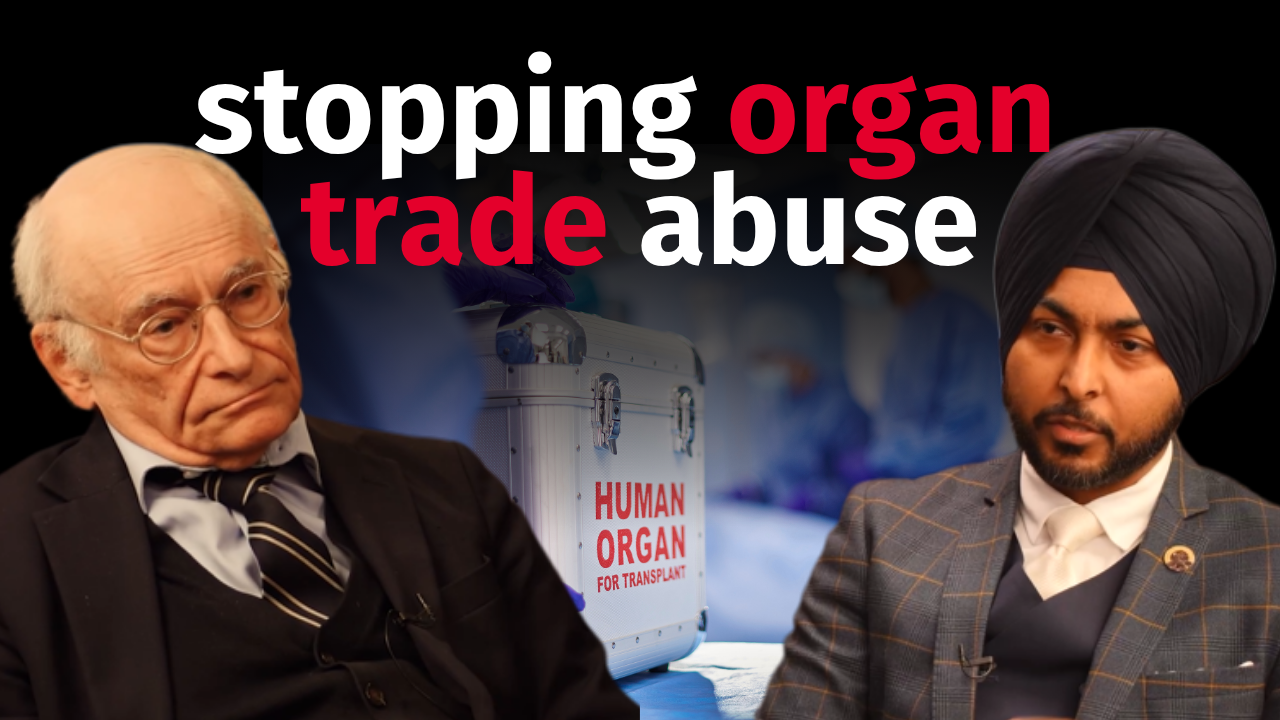
In a recent in-depth conversation with leading human rights lawyer David Matas, we explore how countries like Australia can respond to serious human rights concerns without jeopardising diplomatic or economic ties. This discussion sheds light on practical legal strategies, ethical dilemmas, and what the next generation of human rights professionals should focus on in a rapidly shifting global landscape.
The Challenge: Human Rights vs Trade Relations
Countries with strong economic relationships particularly with global powers like China—often face a difficult balancing act. Speaking out against human rights violations can strain trade partnerships, yet remaining silent raises ethical concerns.
This creates a fundamental question:
How can governments uphold human rights without destabilising international relationships?
The answer, as discussed, lies in strategic policymaking rather than direct confrontation.
A Strategic Approach: Addressing Issues Without Naming Countries
One of the most practical solutions is to design laws and policies that target harmful practices without explicitly naming specific countries.
For example, governments can:
- Prohibit complicity in unethical medical practices such as transplant abuse
- Introduce mandatory reporting for transplant tourism
- Deny health insurance benefits for procedures conducted in jurisdictions lacking ethical safeguards
- Implement immigration controls related to human rights violations
This approach allows countries to take a firm ethical stance while avoiding direct diplomatic conflict.
A notable example is Israel, which introduced legislation preventing insurance coverage for transplants performed in countries without proper regulatory frameworks without naming any nation directly.
Watch the complete Podcast on YouTube.
Why This Approach Works
By avoiding direct accusations, governments create a form of universal accountability. Countries implicated in unethical practices may publicly deny wrongdoing, but the legal framework still limits participation in those systems.
This method:
- Reduces political friction
- Maintains economic relationships
- Still enforces ethical standards
It’s a pragmatic balance between principle and diplomacy one that more countries are beginning to adopt.
The Role of Outsiders in Human Rights Advocacy
Another powerful insight from the conversation is the role of external voices in addressing human rights violations.
In many countries such as Russia or Iran individuals who speak out against government actions may face severe consequences. This creates an environment where internal advocacy becomes dangerous or even impossible.
As a result, the responsibility often shifts to:
- International lawyers
- Advocacy groups
- Foreign governments
- Global institutions
These “outsiders” play a crucial role in raising awareness, conducting investigations, and pushing for accountability.
Advice for Aspiring Human Rights Lawyers
For young professionals considering a career in human rights law, the path is both challenging and deeply meaningful.
Rather than focusing only on local issues, aspiring lawyers should consider:
- Working on cases where local advocates cannot safely speak out
- Engaging with international legal frameworks
- Collaborating with global organisations
- Focusing on regions where external pressure is essential
The message is clear:
Go where your voice is needed most especially where others cannot speak.
A Global Responsibility
Human rights are not confined by borders. While each country has its own legal system and political realities, the responsibility to uphold dignity and justice is shared globally.
Balancing trade and ethics will always be complex, but inaction is not an option. Through thoughtful legislation, international collaboration, and courageous advocacy, meaningful progress is possible.
Conclusion: Be Part of the Conversation
These conversations are not just theoretical they shape real-world policies, influence lives, and define the kind of world we want to build.
If you are passionate about human rights, child protection, and creating safer communities, we invite you to be part of an important national dialogue.
Join Us at Our Upcoming Events
Join Us at the National Child & Family Safety Leadership Summit 2026 will bring together leaders, practitioners, policymakers, researchers and community voices from across the country. This important gathering creates space for meaningful dialogue on the most pressing issues impacting children and families including domestic violence, coercive control, child protection, and community wellbeing.
We look forward to welcoming you to this moving and inspiring celebration of women’s achievements and contributions. Don’t miss this opportunity to hear from one of WA’s most influential scientific leaders, Miquela Riley.