
Protecting Children Beyond the System: Why Healing Must Come Before Justice
Introduction
Child protection is one of the most critical responsibilities in any society, yet the way we respond to abuse is still evolving. While legal systems are designed to deliver justice, they often struggle to meet the emotional and psychological needs of children who have experienced harm. Today, there is a growing shift towards a more compassionate and effective approach—one that prioritises healing, education, and long-term support.
In this powerful reflection from a former frontline police officer, we explore how a single moment became the catalyst for change. Her journey highlights the urgent need to rethink how institutions respond to vulnerable children and why protecting them requires more than just legal action.
The Turning Point That Changed Everything
For years, responding to cases of child abuse was part of the job challenging, emotional, but meaningful work. However, one experience stood out above all others.
After interviewing a young child at a police station, she believed the case had been addressed. But just six months later, the same child returned—this time with another story of abuse.
That moment was confronting. It raised a difficult but necessary question:
Are we truly protecting children, or simply responding after harm has already occurred?
This realisation became the turning point a moment that sparked a deeper search for better solutions.
When Justice Isn’t Enough
The criminal justice system operates on firm principles: evidence, process, and proof beyond reasonable doubt. These standards are essential, but they don’t always align with the realities of how children communicate trauma.
Children may:
- Share only parts of their story
- Feel confused, ashamed, or afraid
- Struggle to articulate their experiences clearly
As a result, cases can stall, and children may leave without the support they truly need.
Over time, a powerful insight emerged:
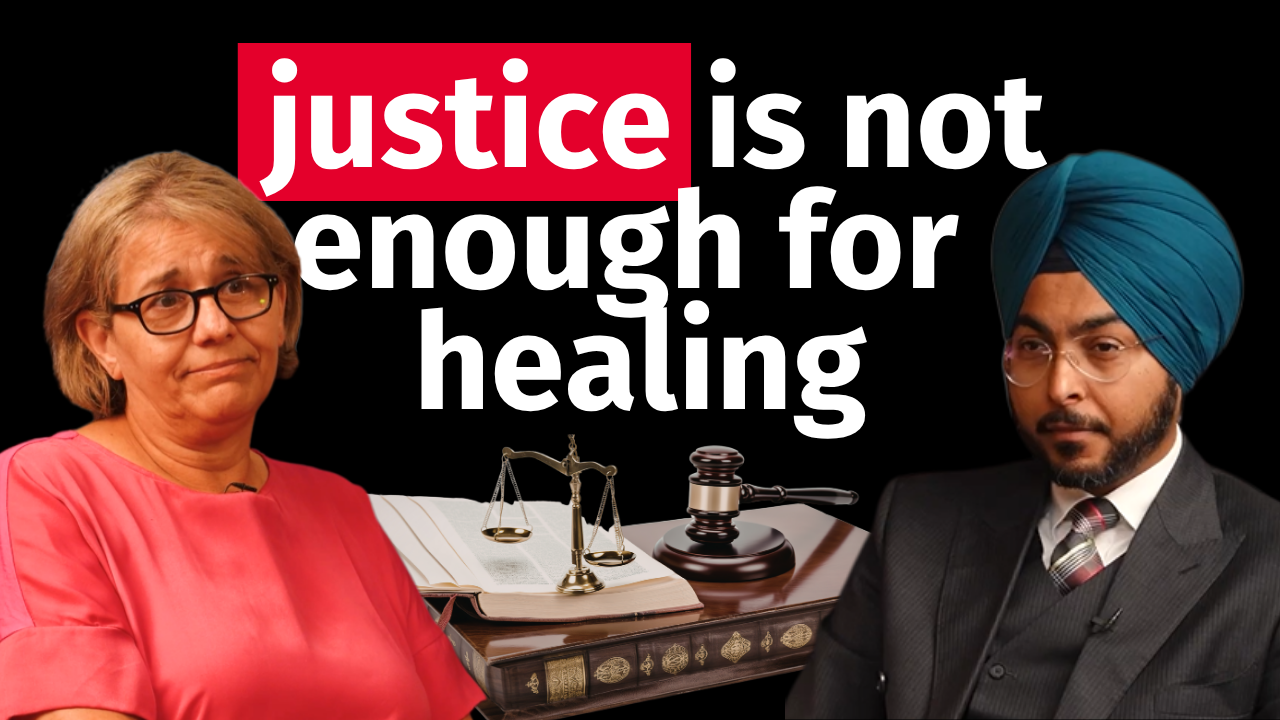
Justice can only go so far healing must come first.
Watch the complete Podcast on YouTube.
A 20-Year Mission to Change the System
Determined to improve outcomes for children, this former officer dedicated nearly two decades to transforming how police respond to young victims.
The goal was simple but profound:
- Do not turn children away when they cannot fully disclose
- Provide them with support, not pressure
- Create pathways that empower them to speak when they are ready
This long-term effort eventually led to meaningful reform changing not just procedures, but mindsets.
The Power of Protective Behaviours Education
At the heart of this transformation is Protective Behaviours Education an approach designed to help children understand personal safety, boundaries, and their right to feel secure.
Instead of closing a case when a child cannot provide enough detail, police now have another option:
- Refer the child to specialised education programmes
- Support them in understanding what is safe and unsafe
- Re-engage with them after they feel more confident
This approach recognises that children need time, understanding, and the right tools to express themselves.
Giving Children a Voice
One of the most powerful outcomes of this model is what happens next.
After receiving education and support:
- Many children return with clearer accounts
- They feel safer and more confident speaking up
- They are better able to participate in the process
It’s not about forcing disclosure it’s about creating the conditions where children feel safe enough to share.
Removing Shame and Supporting Healing
Children who experience abuse often carry deep feelings of guilt and shame. These emotions can silence them and delay disclosure for years.
By focusing on education and emotional support, this approach helps to:
- Reduce self-blame
- Normalise their feelings
- Begin the healing process
This is where real impact lies not just in outcomes, but in restoring a child’s sense of safety and self-worth.
A New Approach to Child Protection
This shift represents a broader evolution in child protection systems:
- From reactive responses to proactive support
- From enforcement alone to education and empowerment
- From focusing solely on justice to prioritising healing
It’s not about replacing the justice system it’s about strengthening it by ensuring children are supported every step of the way.
Conclusion: Be Part of the Change
Stories like this remind us that meaningful change often begins with one person asking, “Can we do this better?” and then dedicating years to making it happen.
If you are passionate about child protection, family wellbeing, and creating safer communities, we invite you to take part in an important national conversation.
Join us at the National Child & Family Safety Leadership Summit 2026 on 22nd May 2026.
Join us for a moving and inspiring gathering of leaders, professionals, and advocates committed to protecting children and strengthening families. This summit will shine a light on innovative approaches, lived experiences, and collaborative solutions that are shaping the future of child and family safety.
Together, we can move beyond systems and towards healing, understanding, and lasting change.
Join Us at Our Upcoming Events
Join Us at the National Child & Family Safety Leadership Summit 2026 will bring together leaders, practitioners, policymakers, researchers and community voices from across the country. This important gathering creates space for meaningful dialogue on the most pressing issues impacting children and families including domestic violence, coercive control, child protection, and community wellbeing.
We look forward to welcoming you to this moving and inspiring celebration of women’s achievements and contributions. Don’t miss this opportunity to hear from one of WA’s most influential scientific leaders, Miquela Riley.