Freedom of Speech in a Changing World: Why It Still Matters
Freedom of speech is often described as the cornerstone of a healthy, functioning society and for good reason. It is not simply the right to express opinions; it is the foundation upon which thought, dialogue, and progress are built. Without the ability to speak freely, individuals cannot fully explore ideas, challenge assumptions, or engage meaningfully with others.
In today’s rapidly evolving social and political landscape, however, the boundaries of free expression are increasingly debated. From digital platforms shaping public discourse to institutional constraints placed on certain roles, the question is no longer whether freedom of speech matters but how it is being reshaped.
The Link Between Speech and Thought
One of the most powerful aspects of free speech is its connection to thinking itself. Speaking is not merely a way to communicate ideas it is a way to form them. Through conversation, debate, and reflection, individuals refine their beliefs, challenge biases, and grow intellectually.
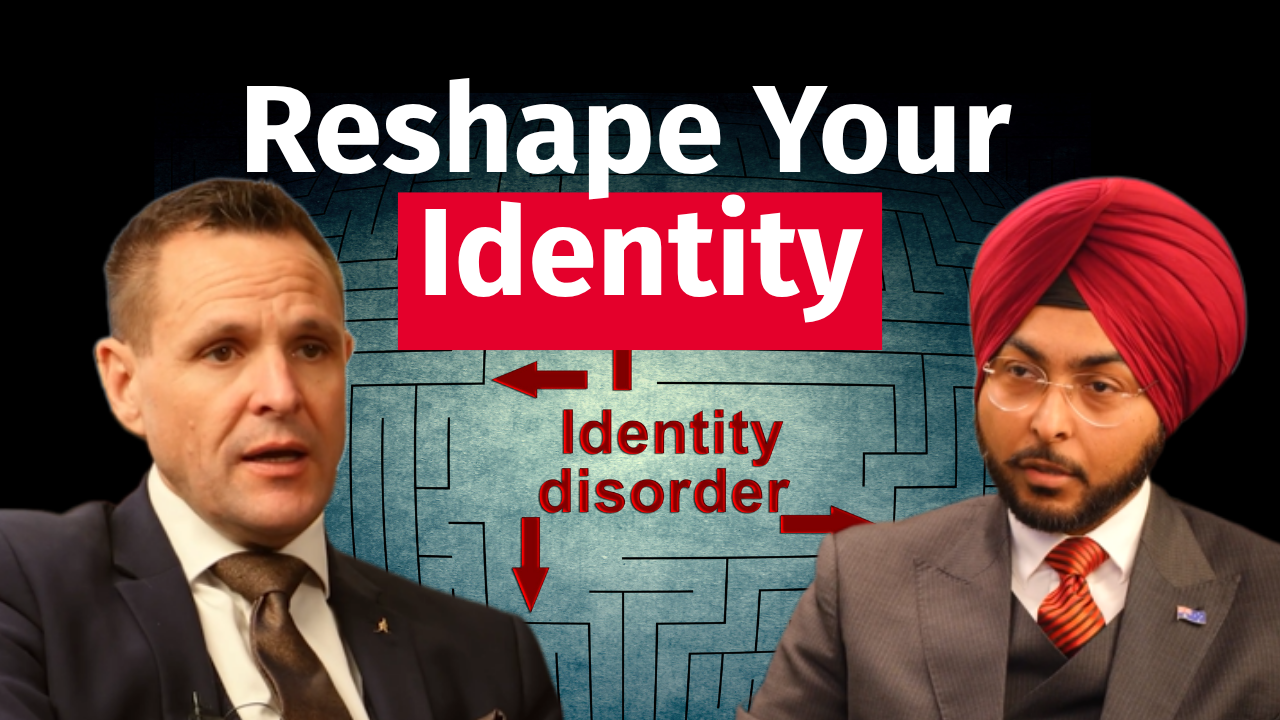
A compelling illustration of this comes from Yeonmi Park, who has spoken extensively about life under a regime where speech is tightly controlled. In her discussions, including appearances with Joe Rogan, she describes how the absence of free expression in North Korea didn’t just limit communication it fundamentally altered how people think.
In such environments, language itself is shaped to reinforce collective ideology. When words are restricted or redefined, the ability to conceptualise independent thought is diminished. This highlights a crucial truth: when speech is controlled, thought follows.
The Subtle Curtailment of Expression
In democratic societies, restrictions on speech are rarely overt. Instead, they often emerge in more nuanced ways:
- Social pressures that discourage dissenting views
- Algorithm-driven platforms that amplify certain narratives while silencing others
- Policy frameworks that define acceptable language or discourse
While these mechanisms are often introduced with good intentions—such as protecting communities or reducing harm they can inadvertently narrow the spectrum of open dialogue.
The challenge lies in balancing respectful, inclusive communication with the preservation of genuine freedom of expression.
Freedom of Speech and Public Service
The conversation becomes more complex when considering public servants. Individuals working in roles such as policing, governance, or public administration are entrusted with responsibility and authority. As a result, their speech is often subject to additional scrutiny and limitation.
For example, a police officer or government official may hold strong personal views but cannot always express them publicly without risking professional consequences. This is not necessarily an erosion of rights, but rather a reflection of the expectations tied to their role.
Public servants are required to:
- Maintain neutrality
- Uphold institutional integrity
- Represent the values of the organisations they serve
This raises an important question: where is the line between professional responsibility and personal freedom and how can individuals navigate that balance without losing their voice entirely?
Watch the complete Podcast on YouTube.
Why Open Dialogue Still Matters
At its core, freedom of speech is about connection. It allows individuals to engage across differences, build understanding, and foster a sense of shared humanity. When people can speak openly whether in communities, workplaces, or public forums they contribute to a more resilient and cohesive society.
Suppressing speech, even unintentionally, risks creating division, misunderstanding, and disengagement.
A truly functioning civil society depends on:
- The ability to question and challenge
- The willingness to listen and learn
- The courage to speak, even when it is uncomfortable
Looking Ahead: Leadership, Responsibility, and Change
As we navigate increasingly complex social dynamics, the responsibility for safeguarding meaningful dialogue does not lie solely with governments or institutions it rests with all of us. Leaders, educators, families, and communities all play a role in shaping environments where respectful, open communication can thrive.
Join Us at Our Upcoming Events
Join Us at the National Child & Family Safety Leadership Summit 2026 will bring together leaders, practitioners, policymakers, researchers and community voices from across the country. This important gathering creates space for meaningful dialogue on the most pressing issues impacting children and families including domestic violence, coercive control, child protection, and community wellbeing.
We look forward to welcoming you to this moving and inspiring celebration of women’s achievements and contributions. Don’t miss this opportunity to hear from one of WA’s most influential scientific leaders, Miquela Riley.