
Supporting Mothers, Carers and Families: Why Health Systems Must Do Better
Across many families, the responsibility of care often falls most heavily on women. Mothers, in particular, may carry the daily emotional, physical and practical burden of caring for children, elderly parents and family members with complex health needs.
This care is often given with love, dedication and strength. Yet it can also be exhausting, isolating and under-recognised.
When we speak about child and family wellbeing, we must also speak about the wellbeing of carers. A safe and healthy family system depends on support, fairness and access to compassionate care.
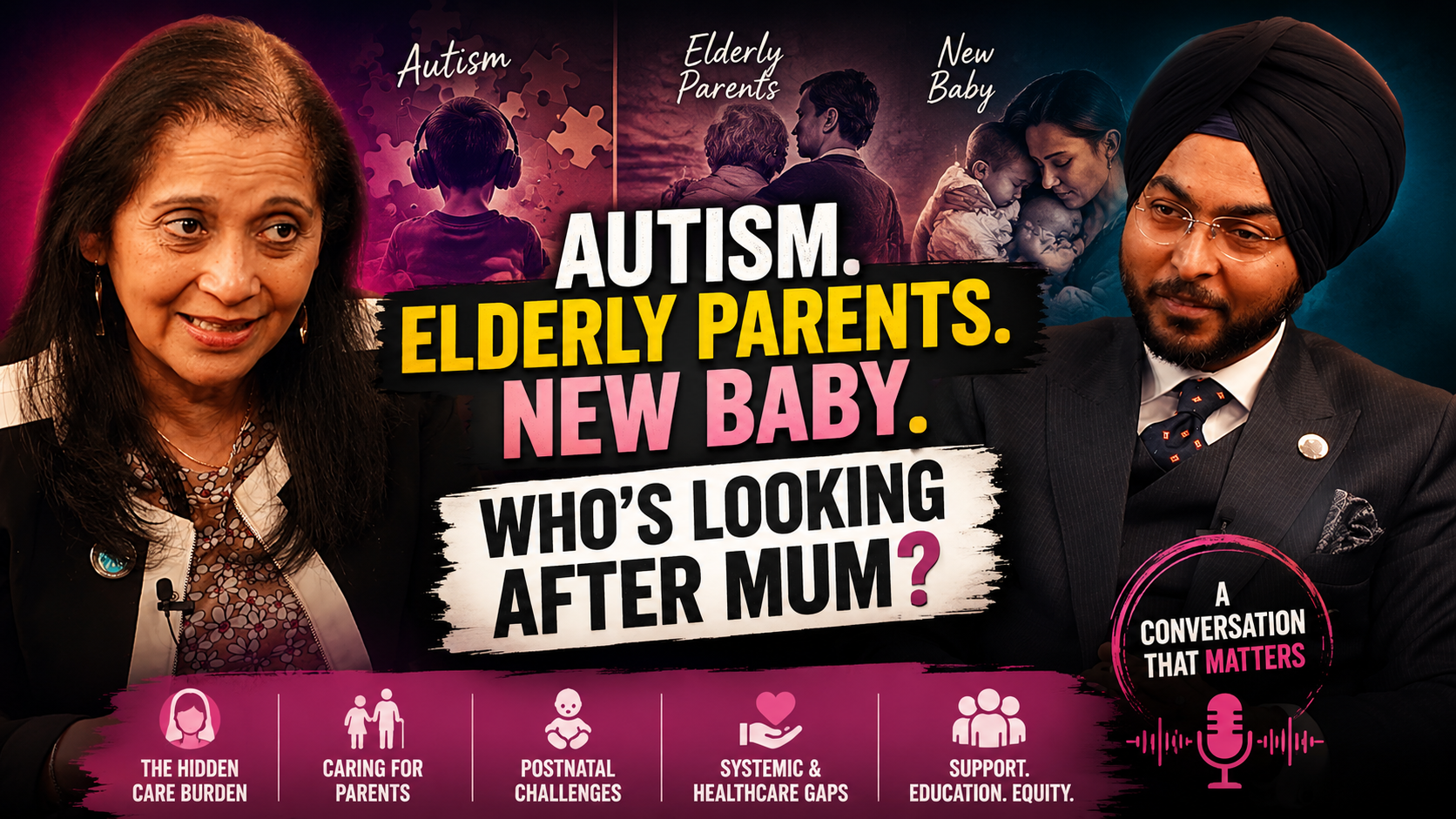
Watch the complete Podcast on YouTube.
The Hidden Care Burden on Mothers
In many households, mothers are the primary carers. This can be especially demanding when a child has lifelong needs, such as autism, cerebral palsy or another disability.
For these families, care does not end after infancy or childhood. It can continue throughout the child’s life. The parent, most often the mother, may have to manage medical appointments, therapy, education needs, sleep difficulties, feeding challenges, behavioural support and daily routines.
This level of responsibility can affect a mother’s physical health, mental health, employment, relationships and sense of identity.
Yet many mothers continue quietly, often without enough practical or emotional support.
Caring for Children and Elderly Parents
Many women also care for elderly parents while raising children of their own. This can create a double care burden, where one person is expected to support multiple generations at once.
This situation can be particularly difficult for migrant families, families living far from extended relatives or households where formal care services are limited.
When care responsibilities are not shared fairly, carers can become overwhelmed. They may delay their own healthcare, reduce paid work or experience stress and burnout.
Recognising this burden is the first step towards building better support systems.
The Importance of Postnatal Support
The postnatal period is a deeply important time for mothers and babies. The months after birth can bring joy, but they can also bring exhaustion, anxiety and loneliness.
From birth to around four to six months, many women need strong practical and emotional support. This is especially true for mothers who are living away from family, adjusting to a new country or caring for a baby who is not feeding or sleeping well.
Without enough support, mothers may feel isolated. They may struggle to rest, recover and build confidence. Some may also experience postnatal depression, anxiety or trauma.
A strong family safety system must include better postnatal care, early intervention and community-based support for new mothers.
When Mothers Are Alone Without Family Support
For many migrant women, the postnatal period can be particularly challenging. In some cultures, extended family traditionally plays an important role after childbirth. Mothers, aunties, sisters and grandmothers may help with cooking, childcare, emotional reassurance and household tasks.
When a woman gives birth in a country where those family networks are absent, she may feel alone.
This isolation can affect both mother and baby. It can also make it harder for women to ask for help, especially if they face language barriers, cultural misunderstandings or fear of being judged.
Health and community services must understand these realities and provide care that is culturally safe, accessible and respectful.
Systemic Issues in Healthcare
The healthcare system plays a major role in family wellbeing. However, some communities experience barriers when accessing care.
These barriers may include racism, cultural misunderstanding, language difficulties, unconscious bias or lack of trust between communities and service providers.
Indigenous communities have spoken strongly about racism and unequal treatment within health systems. Some migrant communities, especially those who are visibly different, may also experience discrimination or feel they are treated differently by health providers.
These experiences matter. When people do not feel respected, they may delay seeking care, avoid services or feel unsafe when asking for help.
Education for Clinicians and Communities
Improving healthcare requires education on both sides.
Clinicians and service providers need ongoing training in cultural safety, trauma-informed care, anti-racism, disability awareness and respectful communication. They must understand that each family has its own context, history and support needs.
Communities also need accessible information about available services, health rights, early warning signs and pathways to support.
When healthcare professionals and communities understand one another better, trust can grow. With trust, families are more likely to seek help early and receive the care they need.
Building a More Compassionate System
A compassionate health system recognises that care does not happen in isolation. Mothers, carers, children, elderly parents and communities are connected.
Supporting one part of the family strengthens the whole family.
This means investing in postnatal support, disability services, respite care, culturally safe healthcare, carer wellbeing and community education. It also means listening to the voices of those with lived experience.
Mothers and carers should not have to carry the burden alone.
Why This Matters for Child and Family Safety
Child and family safety is not only about responding to crisis. It is about building the conditions that allow families to thrive.
When mothers are supported, children are safer. When carers are respected, families are stronger. When health systems are culturally safe, communities are more likely to seek help before problems escalate.
The future of family safety depends on leadership that understands care, equity and compassion.
To continue this important conversation, we warmly invite you to attend the National Child & Family Safety Leadership Summit 2026 on 22nd May 2026.
Join us for a moving and inspiring gathering of leaders, practitioners, advocates and changemakers committed to strengthening child and family safety. Together, we will explore how compassionate leadership, culturally safe services and community action can help build safer, healthier futures for children and families.
Join us on 22nd May 2026 and be part of a meaningful movement for change.