
AI in Business: Why It Will Assist, Not Replace, Human Leadership
Artificial intelligence has quickly become one of the most talked-about topics in business. For some, it is exciting. For others, it has become an overused buzzword. In many professional circles, people are tired of hearing “AI this” and “AI that”, especially when the conversation sounds more like hype than practical value.
Yet beneath the noise, there is a more useful question: how can AI genuinely help businesses work better?
For many business leaders, the answer is clear. AI is not here to replace human expertise. It is here to support it.
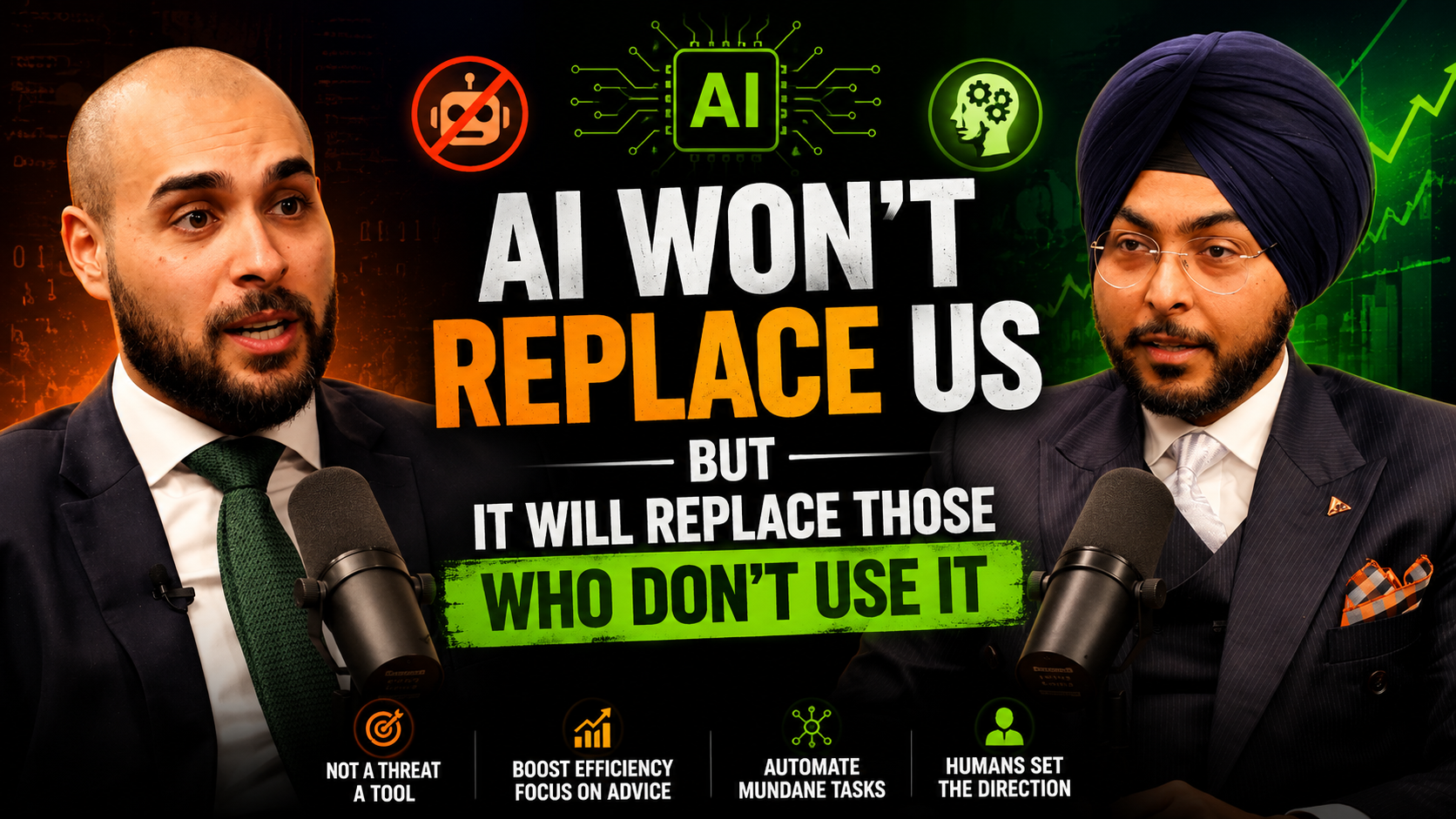
AI Is a Tool, Not a Total Replacement
There has been plenty of discussion about whether AI could replace major professional roles, including chief financial officers, accountants and advisers. While AI can certainly improve efficiency, it still depends on human direction.
AI needs the right prompt, the right context and the right judgement behind it. Without a person guiding the process, reviewing the output and understanding the wider business situation, AI can only go so far.
In professional services, especially finance, accounting and advisory work, clients still need human insight. They need someone who understands their goals, challenges, risks and responsibilities. AI may process information quickly, but it cannot fully replace trust, experience and relationship-based advice.
How Businesses Are Using AI Today
Many businesses are already using AI in small but meaningful ways. Some may not even call it AI. For example, cloud accounting platforms such as Xero use automation and intelligent data tools to streamline processes like bank feeds, transaction imports and daily data updates.
These tools help reduce manual work. They allow businesses to spend less time on repetitive tasks and more time on higher-value activities.
In accounting and advisory firms, this shift can be especially powerful. When basic administration is automated, professionals have more time to advise clients, solve complex problems and provide strategic guidance.
Watch the complete Podcast on YouTube.
AI Can Improve Efficiency
One of the most valuable benefits of AI is efficiency.
Mundane tasks can take up a large amount of time in any business. Data entry, document processing, routine reporting and repetitive communication can slow teams down. AI and automation can help reduce that burden.
This does not mean removing people from the process. It means freeing people to focus on the work that requires judgement, empathy, creativity and experience.
For client-facing businesses, this can lead to better service. Instead of spending hours on basic tasks, teams can invest more time in meaningful conversations, planning and problem-solving.
Why Human Judgement Still Matters
AI can produce answers, summaries and suggestions, but it does not understand people in the same way humans do.
Business advice is rarely black and white. A good adviser considers context, timing, values, relationships and risk. They understand when a client needs reassurance, when they need challenge and when they need a practical next step.
This is where human leadership remains essential.
AI can support decision-making, but it should not replace responsibility. Leaders still need to ask the right questions, check the facts and make decisions with care.
Embracing AI Without Losing Perspective
The strongest approach to AI is neither fear nor blind enthusiasm. It is thoughtful adoption.
Businesses do not need to become AI industry leaders overnight. However, they do need to stay open to learning. Technology is evolving quickly, and organisations that refuse to adapt may find change harder in the future.
Using AI well means understanding where it adds value and where human involvement is still vital. It also means investing in skills, training and responsible use.
AI should help people do better work, not remove the human qualities that make work meaningful.
The Future of AI in Professional Services
In finance, accounting and advisory services, AI is likely to continue improving workflows. It may support reporting, analysis, forecasting, compliance and client communication.
However, the most successful firms will be those that combine technology with trusted human advice.
Clients do not only want data. They want clarity. They want confidence. They want someone who can interpret information and guide them through important decisions.
That is why AI should be seen as a partner in progress, not a replacement for professional judgement.
Leadership in a Changing World
AI is changing the way businesses operate, but leadership is still about people. The best leaders will use technology to create more time for care, service and meaningful impact.
This lesson extends beyond business. In child and family safety, education, community work and social leadership, technology may assist us, but compassion, judgement and human connection remain irreplaceable.
To continue this important conversation about leadership, innovation and safer futures, we warmly invite you to attend the National Child & Family Safety Leadership Summit 2026 on 22nd May 2026.
Join us for a moving and inspiring gathering of leaders, practitioners, advocates and changemakers committed to strengthening child and family safety. Together, we will explore how responsible leadership, innovation and community action can help build safer, stronger futures for children and families.
Join us on 22nd May 2026 and be part of a meaningful movement for change.