
Introduction
Recovering from a serious health condition is not always a simple journey. Even after successful medical care, the emotional effects can remain. Fear, uncertainty and memories of what happened can continue to shape everyday life.
This powerful story reflects on recovery after a complex neurological condition, the importance of family support, and the courage of people living with epilepsy. It is also a reminder that health challenges do not only affect the individual. They affect families, carers and entire communities.
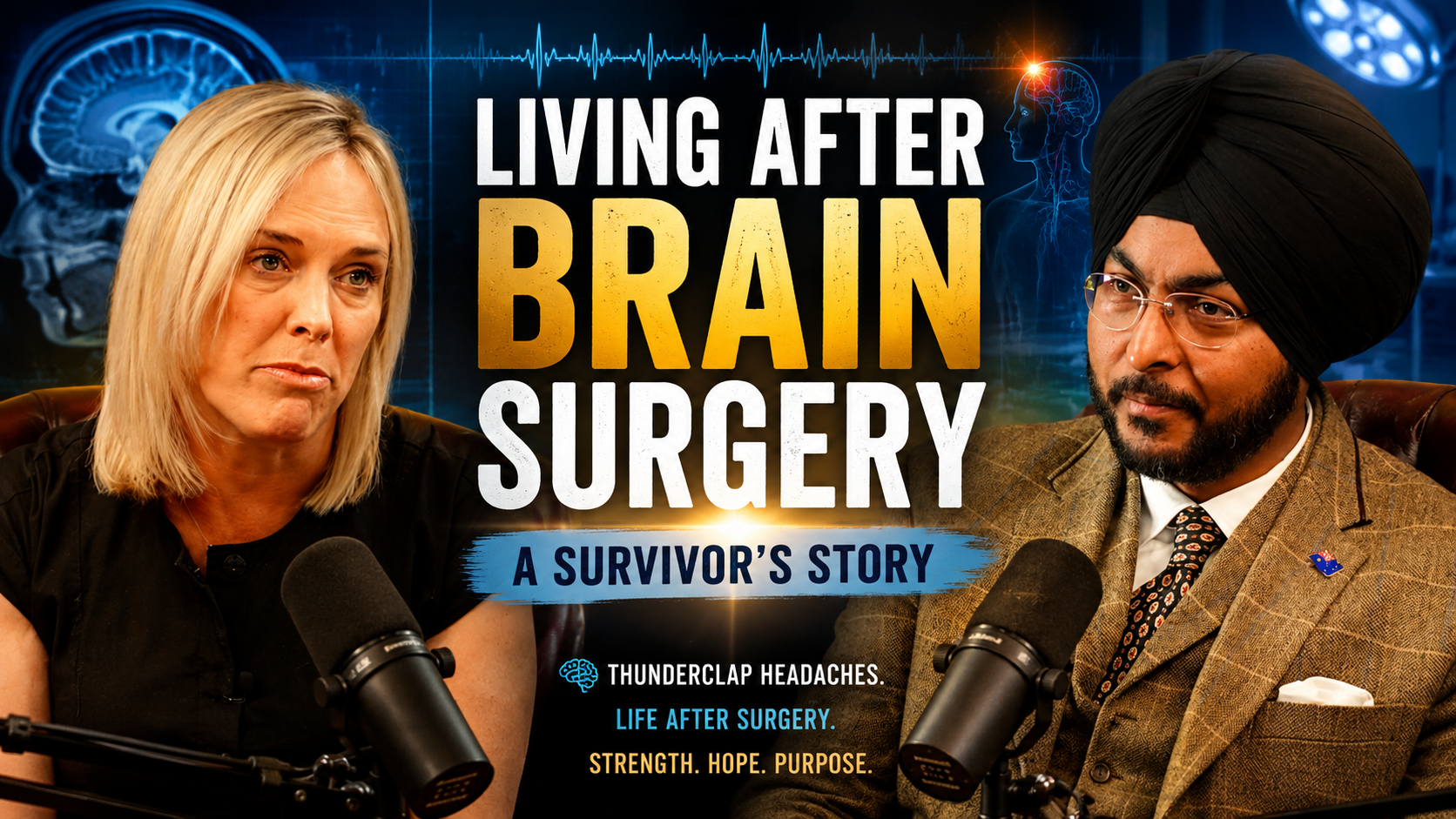
Living With the Emotional Effects of Recovery
For many people, recovery does not end when the surgery is over or when they leave hospital. Sometimes, small everyday moments can bring back fear.
In this story, the speaker shares how seeing a ball flying through the air at a park can still make her nervous. It is a simple moment, but it carries a deeper memory of vulnerability and trauma.
This shows that health recovery is not only physical. Emotional healing is just as important. People who have experienced serious illness or injury may continue to live with anxiety, caution and fear of what could happen again.
The Fear of Recurrence
One of the hardest parts of living after a complex diagnosis is uncertainty. Even when treatment has been successful, there may still be concerns about future complications.
The speaker explains that she has had her dura patched and her skull opened as part of her treatment. While she hopes not to experience further problems, she also acknowledges the slight possibility of a leak in the synthetic patch over time.
Rather than allowing this fear to control her life, she chooses not to focus on it every day. This is a deeply human response. Many people living with long-term or complex health conditions must find a balance between staying aware of medical risks and continuing to live fully.
Watch the complete Podcast on YouTube.
The Importance of Family Support
During this difficult time, the speaker and her family had no extended family nearby in Western Australia. Her daughter, Hannah, was only three years old, and her husband became an essential source of support.
This highlights the vital role that family members and carers play during serious health challenges. A supportive partner, parent, friend or carer can make a significant difference when someone is facing fear, treatment and recovery.
Health crises often place pressure on the whole family. Emotional support, practical help and compassion become essential parts of the healing process.
Gaining Empathy Through Lived Experience
Coming through a frightening health experience can change the way a person sees the world. It can create gratitude, perspective and a deeper understanding of what others may be going through.
The speaker shares that her experience gave her greater empathy for people navigating complex health systems and frightening diagnoses. This is especially important when thinking about conditions such as epilepsy, which can be unpredictable and deeply challenging.
People living with epilepsy often face uncertainty in their daily lives. They may need ongoing medical care, community understanding and emotional support.
Epilepsy Warriors: Courage Every Day
At Epilepsy WA, people living with epilepsy are known as epilepsy warriors. This term recognises the strength, courage and resilience it takes to live with an unpredictable condition.
Epilepsy can affect many areas of life, including work, education, relationships, independence and mental wellbeing. Because seizures can be unpredictable, people living with epilepsy may carry a constant sense of uncertainty.
Yet many continue to move forward with determination. Their stories are powerful reminders that courage is not always dramatic. Sometimes, courage means getting through each day, seeking support and continuing to hope.
Why Community Support Matters
People experiencing illness, trauma or disability need more than medical treatment. They also need compassion, understanding and practical support from the wider community.
Stronger community support can help people feel less isolated. It can also improve awareness, reduce stigma and encourage safer, more inclusive systems for individuals and families.
When communities listen to lived experience, they become better equipped to support people through complex and difficult moments.
Conclusion: From Health Challenges to Stronger Leadership
This story is a moving reminder of the strength it takes to recover from a serious health challenge. It shows the importance of family, the value of expert care and the courage of people living with unpredictable conditions such as epilepsy.
It also reminds us that leadership begins with empathy. Whether in health, technology, family safety, cybersecurity or community care, we need leaders who understand vulnerability, responsibility and protection.
To continue these important conversations around safety, resilience and leadership, we invite you to attend the National AI & Cybersecurity Leadership Summit 2026 on 19th June 2026.
Join us for a moving and inspiring event that brings together leaders, experts and changemakers to explore how we can build safer, smarter and more resilient communities for the future.