
Leadership, Followership and Personal Growth: Why Great Leaders Keep Learning
Leadership is often spoken about as a position of authority. We imagine the person at the front of the room, making decisions, setting direction and guiding others. But real leadership is rarely that simple. It is not only about leading others. It is also about learning from others, listening deeply, reflecting honestly and being willing to change.
One of the most powerful ideas in leadership is this: you cannot be a good leader if you have never learnt how to be a good follower.
This does not mean blindly obeying people. It means understanding humility, discipline, trust, mentorship and growth. Before someone can lead a team well, they must first learn how to observe, listen, serve, adapt and follow the example of people who have walked the path before them.
Leadership is not born overnight. It is built through experience, reflection, failure, resilience and transformation.
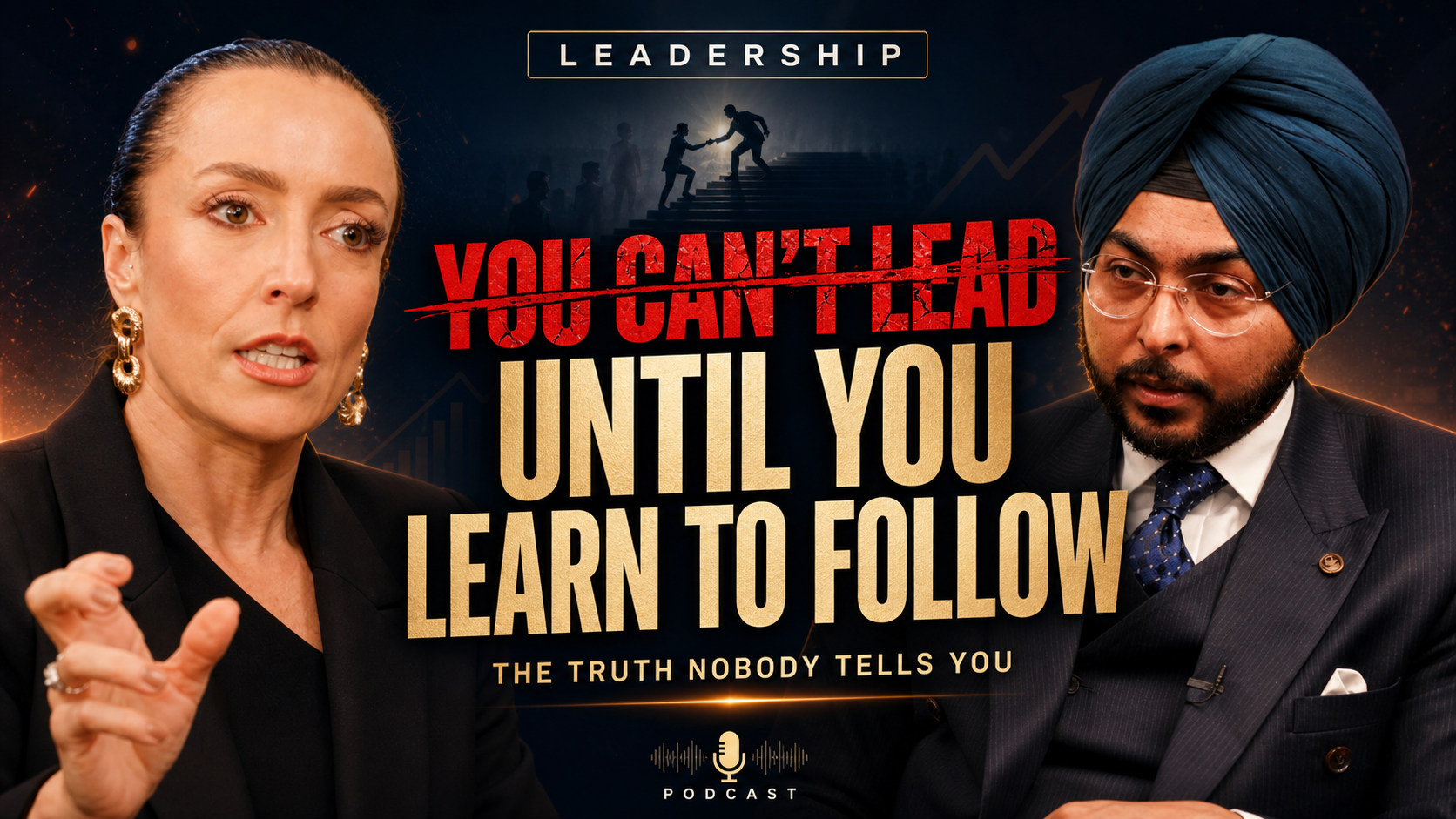
Why Good Leaders First Learn to Follow
Every leader begins somewhere. Before leading a business, organisation, family, team or community, most people spend years learning from others.
They follow mentors. They observe managers. They listen to teachers. They learn from parents, colleagues, coaches and community leaders. Over time, they begin to understand what works, what does not, and what kind of leader they want to become.
Good followership teaches patience. It teaches respect. It teaches the importance of timing, communication and accountability.
A person who has never learnt how to follow may struggle to lead with empathy. They may not understand what it feels like to be guided, corrected, challenged or supported. They may forget that leadership is not about control. It is about responsibility.
The best leaders remember what it felt like to be on the other side.
Leadership Is a Transformational Journey
Leadership changes people.
When someone starts a business, takes on a management role, leads a team or becomes responsible for others, they often begin with ambition and passion. But over time, experience reshapes them.
They gain confidence. They also gain scars.
They learn that leadership involves difficult conversations, mistakes, pressure, decision-making and uncertainty. They discover that not everyone will agree with them. They learn that success requires emotional strength, self-awareness and the ability to keep going when things are difficult.
A leader may remain the same at their core, but their perspective changes. They become more aware of people, systems, communication and responsibility.
This is why leadership is not just a professional journey. It is a personal evolution.
Watch the complete Podcast on YouTube.
The Role of Mentorship in Leadership Growth
Mentorship is one of the most valuable tools in leadership development.
A mentor provides guidance, perspective and wisdom. They help someone see what they cannot yet see for themselves. They challenge assumptions. They encourage growth. They offer support during uncertain seasons.
When a person follows a good mentor, they are not giving up their independence. They are learning how to become stronger, wiser and more capable.
Mentorship helps leaders grow faster because it allows them to learn from another person’s experience. It provides a safe space to ask questions, make sense of challenges and develop confidence.
For business owners, community leaders and professionals, having the right mentor can be life-changing.
The Personal Growth Toolkit for Leaders
Personal growth does not happen by accident. It requires intention, consistency and effort.
Not everyone wants to change, and that is a personal choice. But for those who want to evolve, improve and become better leaders, there are certain tools that matter.
1. Drive
Drive is the inner force that keeps a person moving forward. It is the desire to grow, achieve, improve and keep building.
A driven person does not wait for perfect conditions. They look for opportunities, take responsibility and keep working towards their goals.
For leaders, drive is essential. It gives them energy, direction and persistence.
2. Passion
Passion gives leadership meaning.
Without passion, leadership can become mechanical. With passion, a leader brings energy, purpose and belief to their work. Passion helps people stay connected to why they started in the first place.
It also inspires others. People are more likely to follow a leader who genuinely cares about the mission.
3. Reflection
Reflection is one of the most powerful tools for personal growth.
When something goes wrong, a reflective leader does not simply blame others or move on. They pause and ask important questions:
How could I have handled that better?
What did I learn from this?
Why did I react that way?
What can I change next time?
Journalling, quiet thinking, coaching and honest conversations can all support reflection. The goal is not self-criticism. The goal is self-awareness.
A leader who reflects regularly becomes more emotionally intelligent and more effective.
4. Resilience and Grit
Leadership is not easy. There will be setbacks, criticism, failure and disappointment.
Resilience is the ability to recover. Grit is the ability to keep going.
Together, they help leaders survive difficult seasons without giving up.
A resilient leader understands that failure is not the end. It is feedback. It is part of learning. It is part of becoming stronger.
This mindset is especially important for people leading teams, businesses, families or community projects. The path will not always be smooth, but resilience helps leaders stay steady.
5. Determination
Determination is the commitment to keep showing up.
It is easy to feel motivated when things are going well. It is much harder to stay committed when progress is slow or obstacles appear.
Determination helps a leader keep working towards long-term goals, even when the results are not immediate.
Great leadership requires patience. It requires consistency. It requires the willingness to keep building, even when no one is clapping yet.
6. Listening
Many leaders are strong communicators. But being able to talk is not the same as being able to listen.
Listening is one of the most underrated leadership skills.
A leader who listens can understand what people really need. They can pick up on concerns, ideas and emotions that may otherwise be missed. They can build trust because people feel seen and heard.
Listening also helps leaders step outside their own perspective.
Sometimes, another person may offer feedback that feels uncomfortable. But discomfort can be a sign that there is something worth examining. A good leader does not reject feedback simply because it triggers them. They pause, reflect and ask whether there may be some truth in it.
Self-Awareness Helps Leaders Change
One of the greatest signs of maturity is the ability to notice your own patterns.
Why did that comment upset me?
Why do I keep reacting this way?
Why do I avoid certain conversations?
Why do I feel the need to prove myself?
Self-awareness gives leaders the power to change. Without it, people often repeat the same behaviours and expect different results.
A leader who becomes aware of their triggers, habits and blind spots can begin to respond differently. They can choose patience over defensiveness. Curiosity over judgement. Growth over ego.
This is how real transformation happens.
Leadership Requires Humility
The idea that a leader must always have the answer is outdated.
Modern leadership requires humility. It requires the courage to say, “I am still learning.” It requires the willingness to ask for help, seek feedback and admit mistakes.
A humble leader is not weak. In fact, humility often makes leadership stronger.
It allows leaders to build better relationships. It makes teams feel respected. It creates space for collaboration, honesty and innovation.
When leaders stop pretending to know everything, they create room for everyone to grow.
Personal Evolution Takes Time
No one becomes the person they are meant to be all at once.
Growth happens in stages. Sometimes we can see the next three or four years clearly. Sometimes we do not know who we will be at 85, but we know we want to keep becoming better.
That is enough.
Personal evolution is about taking the next step with intention. It is about learning from the past, staying open to feedback and continuing to develop the tools needed for the next season of life.
For leaders, this journey never really ends.
The best leaders are not finished products. They are lifelong learners.
Why This Matters for Families, Communities and Organisations
Leadership is not limited to boardrooms or businesses. It exists in families, schools, community groups, frontline services, charities, workplaces and public life.
The way people lead affects the wellbeing of those around them.
A reflective, resilient and self-aware leader can create safer environments. They can build stronger teams. They can support healthier families. They can encourage trust, courage and accountability.
This matters deeply in conversations about child safety, family wellbeing and community leadership.
Children and families need leaders who are willing to listen, learn and act with integrity. Communities need people who are prepared to grow, not just professionally, but personally.
Join Us at the National Child & Family Safety Leadership Summit 2026
Leadership begins with the courage to grow, listen and take responsibility. It is through reflection, resilience and shared learning that we create safer families, stronger communities and a better future for children.
We invite you to attend the National Child & Family Safety Leadership Summit 2026 on 22nd May 2026.
Join us for a moving and inspiring gathering of leaders, professionals, advocates and community voices committed to protecting children, strengthening families and building safer communities.
Together, we can continue the conversations that matter and turn them into meaningful action.