Freedom of Speech, Community and Fairness: What Australia’s Election Debate Must Focus On
As Australia heads towards the next federal election, public debate is increasingly shaped by misinformation, rising political division and growing frustration over the cost of living. Yet beneath the noise, one truth stands out: most Australians want the same basic things fairness, security, opportunity and strong communities.
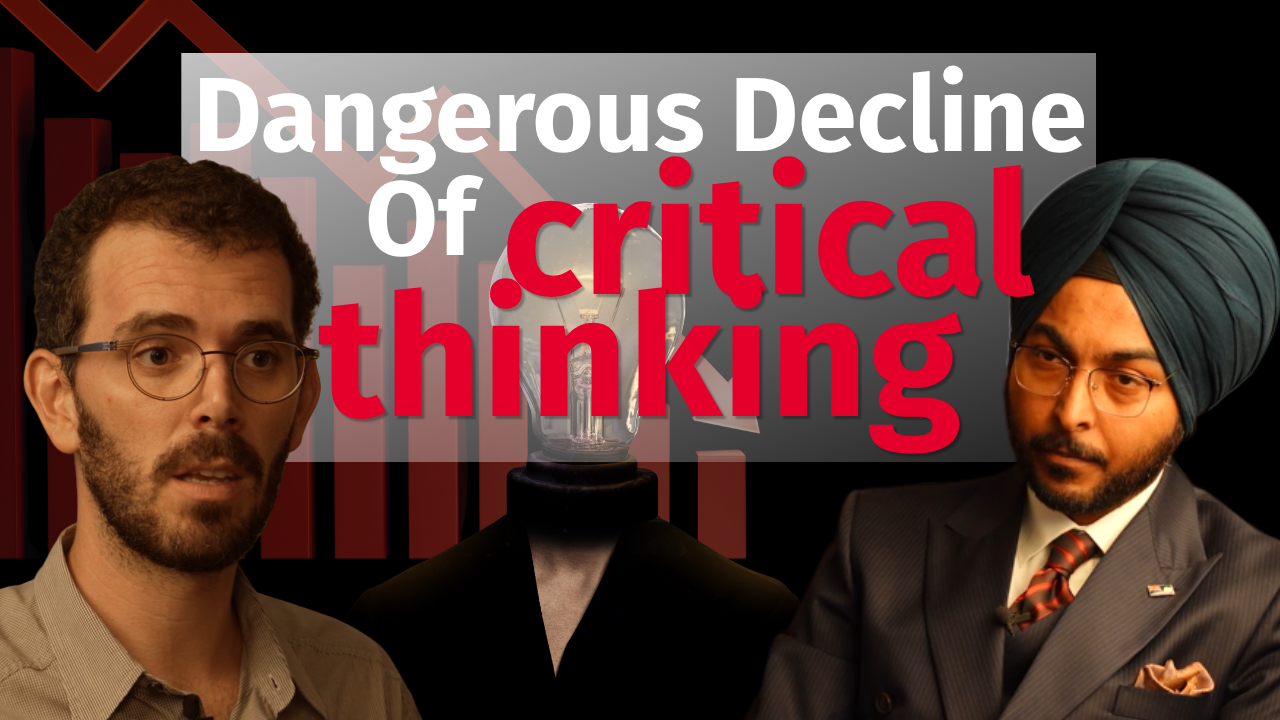
In this conversation, journalist and commentator discusses with host Dev Singh how freedom of speech, critical thinking, community connection and economic fairness are deeply linked. Their discussion offers timely insights into what should matter most in the national conversation ahead of the election.
Why Freedom of Speech Still Matters
Freedom of speech remains one of the most important pillars of a healthy democracy. Open debate allows people to question power, challenge ideas and engage with issues that affect their lives.
However, freedom of speech does not mean every idea should automatically gain influence or credibility. In today’s digital world, where misinformation spreads quickly, the real challenge is helping people think critically rather than simply controlling what can or cannot be said.
A healthy society is not built through censorship. It is built by equipping people with the skills to assess information for themselves.
Critical Thinking Starts with Education
One of the strongest themes in this discussion is the role of education in shaping informed citizens.
Critical thinking is not just about academic knowledge. It is about learning how to:
- question claims and sources
- recognise manipulation
- understand different perspectives
- solve problems calmly and rationally
Strong schools, better access to education and lifelong learning opportunities all help create a society that is less vulnerable to fear, division and misinformation.
At a time when online algorithms can easily trap people in narrow information bubbles, these skills are more important than ever.
Watch the complete Podcast on YouTube.
Why Strong Communities Are Essential in a Divided Age
Education alone is not enough. Strong communities also play a vital role in reducing division and political extremism.
People are increasingly isolated. Many now spend more time online than in face-to-face conversations with neighbours, colleagues or people from different walks of life.
This matters because social connection helps build:
- empathy
- trust
- resilience
- understanding across differences
When people only engage within their own political or social circles, echo chambers grow stronger. Real-life conversations, local forums, shared community spaces and civic participation can help bridge those divides.
Australia needs more spaces where people can listen to each other respectfully even when they disagree.
Finding Common Ground in an Era of Political Polarisation
One of the most powerful ideas raised in the conversation is that Australians need to focus more on what they agree on.
Despite political differences, most people want:
- affordable living
- safe communities
- good healthcare
- quality education
- secure housing
- a fair future for their children
These shared priorities can become the foundation for healthier public debate.
Rather than getting distracted by endless culture war arguments, there is value in focusing on structural issues that affect everyone’s daily lives.
Cost of Living, Housing and Fairness Must Lead the Election Conversation
As the federal election approaches, the biggest concerns for many households are practical and immediate.
Cost of Living Pressures
Australians are facing rising energy bills, grocery costs and everyday expenses. Families are feeling stretched, and trust in institutions is under pressure.
Housing Affordability
Housing continues to be one of the biggest challenges, particularly for younger Australians and working families. Questions around housing supply, affordability and the influence of property interests need serious attention.
Health and Education
Access to quality healthcare and education remains central to social mobility and long-term national wellbeing.
Economic Fairness
The broader issue connecting all of these concerns is fairness.
People want a system where:
- ordinary workers are not left behind
- large corporations are held accountable
- public policy serves communities rather than vested interests
Australians may differ on ideology, but fairness is one value that resonates across the political spectrum.
A Better National Conversation Starts with Listening
Australia does not need more division. It needs more honesty, stronger communities and a willingness to have difficult conversations respectfully.
The path forward lies in:
- better civic education
- more meaningful community connection
- transparent political leadership
- policies grounded in fairness
As this election nears, the real opportunity is not simply to choose between parties, but to shape a national conversation that reflects what people truly care about.
Join Us at Our Upcoming Events
Join Us at the National Child & Family Safety Leadership Summit 2026 will bring together leaders, practitioners, policymakers, researchers and community voices from across the country. This important gathering creates space for meaningful dialogue on the most pressing issues impacting children and families including domestic violence, coercive control, child protection, and community wellbeing.
We look forward to welcoming you to this moving and inspiring celebration of women’s achievements and contributions. Don’t miss this opportunity to hear from one of WA’s most influential scientific leaders, Miquela Riley.