
Breaking the Silence: Understanding Domestic Violence, Trauma and the Long Road to Freedom
Domestic violence is one of the most urgent social issues facing Australia today, yet for many survivors, leaving an abusive relationship is not a single moment of courage it is often a long, painful and deeply complicated journey.
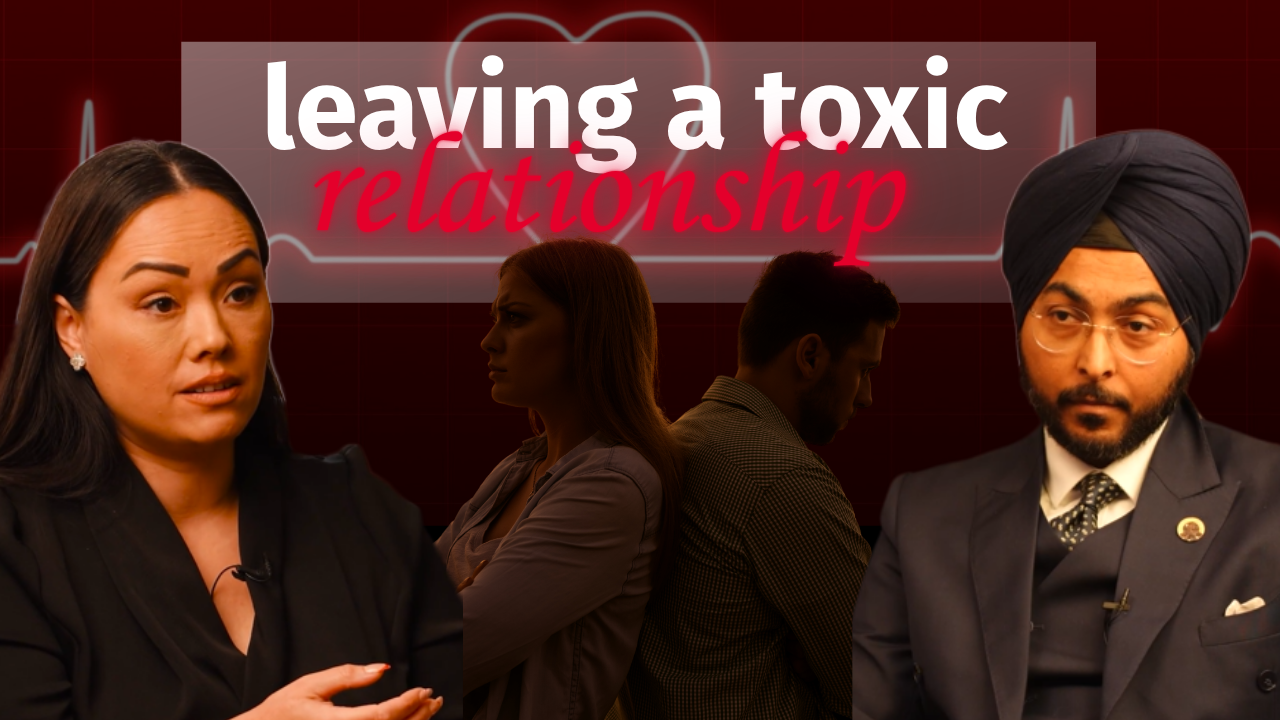
In this powerful conversation, a survivor shares the harrowing reality of living through years of coercive control, physical violence and emotional manipulation. Speaking with host Dev Singh, she opens up about fear, trauma, motherhood, repeated attempts to leave, and what it truly takes to break free.
Her story is not only deeply moving it is also a vital reminder that behind every statistic is a person trying to survive.
Domestic Violence Is More Than Physical Abuse
When people think about domestic violence, they often imagine visible bruises or a single violent incident. But abuse is usually far more complex.
Domestic and family violence often includes:
- coercive control
- emotional manipulation
- financial abuse
- isolation from loved ones
- intimidation and threats
- repeated cycles of fear and reconciliation
For many women, abuse escalates slowly over time. What begins as control or emotional pressure can gradually turn into physical violence, leaving survivors trapped in a cycle that feels impossible to escape.
This is why understanding the full nature of domestic abuse is essential.
Why Leaving an Abusive Relationship Is So Difficult
A common and harmful question survivors hear is: “Why didn’t you just leave?”
The reality is that leaving can be the most dangerous time in an abusive relationship.
As this survivor explains, her pathway out was not immediate — it took 16 years.
She tried to leave more than once. Each time, there were powerful emotional and practical barriers:
- promises that things would change
- love bombing and emotional guilt
- concern for children
- fear of escalating violence
- financial uncertainty
- trauma and emotional exhaustion
Abusers often use periods of kindness, apologies and apparent change to draw survivors back. This cycle can create hope, confusion and deep emotional conflict.
Leaving is rarely simple. It is often a process of survival.
Watch the complete Podcast on YouTube.
The Hidden Trauma Children Experience
One of the most heartbreaking parts of domestic violence is its impact on children.
Even when children are not directly harmed, witnessing abuse can leave lifelong emotional scars.
Children exposed to family violence may experience:
- anxiety and fear
- sleep difficulties
- behavioural changes
- emotional withdrawal
- long-term trauma responses
In this story, the survivor describes trying to protect her children while also navigating her own fear. Her account highlights the impossible decisions many mothers are forced to make in moments of crisis.
No parent should ever have to choose between their own safety and their child’s.
Why Support Systems Matter
Survivors often need more than courage to leave they need support.
This includes:
- family and friends who believe them
- police and legal systems that act effectively
- trauma-informed healthcare
- emergency accommodation
- counselling and long-term recovery support
In this case, support from family and intervention by police were critical turning points.
But too often, survivors face barriers when seeking help:
- fear of not being believed
- shame or stigma
- lack of financial independence
- limited access to services
Creating safer pathways out of violence means making support systems easier to access and more responsive to the realities survivors face.
We Need More Honest Conversations About Family Violence
Stories like this matter because they challenge myths and silence.
Domestic violence does not always look obvious from the outside. It can affect women of all backgrounds, ages and communities.
More open conversations help:
- reduce stigma
- improve understanding
- encourage earlier intervention
- help survivors feel less alone
Ending domestic violence requires more than awareness campaigns. It requires:
- stronger prevention education
- respectful relationships programmes
- better crisis services
- accountability for perpetrators
- community responsibility
Violence thrives in silence. Change begins when people are willing to listen.
Courage Is Not Always Loud
Survival does not always look dramatic. Sometimes courage is:
- making a quiet plan
- reaching out for help
- protecting your children
- trying again after setbacks
- choosing yourself after years of fear
This survivor’s story is a powerful reminder that leaving abuse is not weakness delayed it is strength built over time.
Every step towards safety matters.
Join Us at Our Upcoming Events
Join Us at the National Child & Family Safety Leadership Summit 2026 will bring together leaders, practitioners, policymakers, researchers and community voices from across the country. This important gathering creates space for meaningful dialogue on the most pressing issues impacting children and families including domestic violence, coercive control, child protection, and community wellbeing.
We look forward to welcoming you to this moving and inspiring celebration of women’s achievements and contributions. Don’t miss this opportunity to hear from one of WA’s most influential scientific leaders, Miquela Riley.