
How Domestic Abuse Impacts Children: Understanding Trauma, Guilt and Behaviour
When we talk about domestic abuse, the focus is often on the adult victim. But children who witness abuse are not just bystanders they are deeply affected, often carrying emotional wounds that shape how they see themselves, relationships and the world around them.
The effects are not always immediate or obvious. Sometimes they appear years later, in quiet beliefs, unexpected behaviours or deeply rooted fears.
This is why it is essential to understand how domestic abuse impacts children not only to support their healing, but to prevent long-term emotional harm.
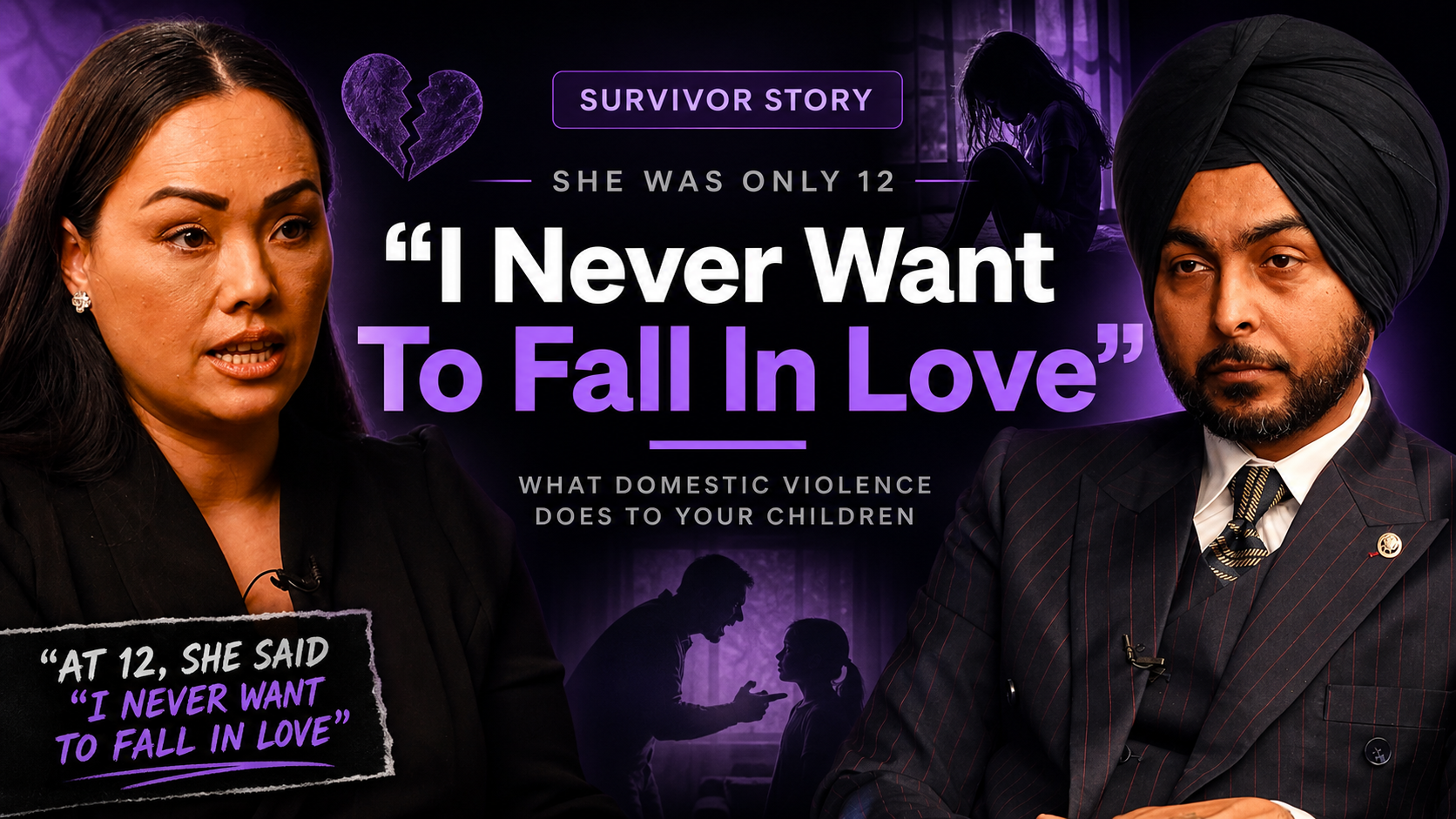
“I Never Want to Fall in Love”: When Children Internalise Trauma
Imagine a 12-year-old saying, “I never want to fall in love.”
At such a young age, this is not simply a passing thought. It is often a reflection of what they have seen, felt and internalised.
Children who grow up in environments where abuse is visible may begin to associate love with pain, fear or instability. If they witness one parent hurting another, it can distort their understanding of relationships.
In some cases, children go even further — they begin to blame themselves.
They may think:
- “What if this happened because of me?”
- “What if I caused the anger?”
- “If I hadn’t been born, would things be different?”
This kind of thinking is incredibly damaging, yet sadly common. Children often do not have the emotional tools to process complex adult behaviour, so they look for explanations within themselves.
Without reassurance and support, these beliefs can follow them into adolescence and adulthood, affecting their confidence, relationships and mental health.
Watch the complete Podcast on YouTube.
The Hidden Impact: Guilt, Fear and Emotional Confusion
Children exposed to domestic abuse often experience a mix of emotions that are difficult to articulate:
- Guilt – believing they are somehow responsible
- Fear – anticipating conflict or danger
- Confusion – struggling to understand why someone they love causes harm
- Loss – especially if the family separates
Even when a parent leaves an abusive situation, the emotional impact does not end there. Children may feel relief, but also sadness, anger or longing — particularly if they had a close bond with the abusive parent.
This emotional conflict can be overwhelming, especially without open conversations and guidance.
How Trauma Shows Up in Behaviour
Not all children express trauma in the same way. Some may withdraw, while others display noticeable behavioural changes.
For example, younger children who witness abuse may:
- Become angry or disruptive at school
- Struggle with emotional regulation
- Seek control in situations where they previously felt powerless
- Develop heightened sensitivity to rules and fairness
In some cases, a child who felt unable to speak up at home may begin to assert control in other environments.
This can look like repeatedly reporting others’ behaviour, becoming overly focused on rules, or seeking validation from authority figures such as teachers.
To outsiders, this behaviour may seem puzzling. But when viewed through a trauma-informed lens, it often reflects a child trying to make sense of their world and regain a sense of safety.
Why Open Conversations Matter
One of the most powerful tools in supporting children after domestic abuse is honest, age-appropriate conversation.
Children need to hear clearly:
- That the abuse was not their fault
- That adults are responsible for their own actions
- That it is safe to talk about their feelings
Avoiding the conversation can sometimes leave children to create their own explanations, which may be inaccurate and harmful.
Even a single conversation can begin to shift a child’s perspective. Repeated reassurance over time helps rebuild trust, safety and self-worth.
Supporting Children to Heal
Healing from trauma is not instant, but with the right support, children can recover and build healthy, fulfilling lives.
Key ways to support children include:
- Providing consistent emotional reassurance
- Encouraging expression through conversation, play or creative outlets
- Working with schools and professionals to ensure understanding and support
- Creating a stable and predictable environment
- Modelling healthy, respectful relationships
It is also important for parents and caregivers to seek support for themselves. Children benefit when the adults around them are supported, informed and emotionally available.
A Collective Responsibility
Domestic abuse does not just affect individuals — it affects families, schools and communities.
Teachers, safeguarding professionals, social workers and community leaders all play a role in recognising signs, responding appropriately and supporting recovery.
When we understand the deeper impact of trauma, we are better equipped to respond with compassion rather than judgement.
Every child deserves to grow up believing that they are safe, valued and not to blame for the actions of others.
Join Us at the National Child & Family Safety Leadership Summit 2026
To deepen our understanding of these critical issues and work towards safer environments for children, we invite you to attend the National Child & Family Safety Leadership Summit 2026 on 22nd May 2026.
Join us for a moving and inspiring event that brings together leaders, safeguarding professionals, educators, families and advocates committed to protecting children and strengthening family wellbeing.
Together, we can create a future where every child feels safe, supported and heard.