
Social Media, Loneliness and Anxiety: Why Young People Need Real-World Connection More Than Ever
Young people today are more connected than any generation before them. With one tap, they can message a friend, join a group chat, watch a video, comment on a post, or feel part of a wider online community.
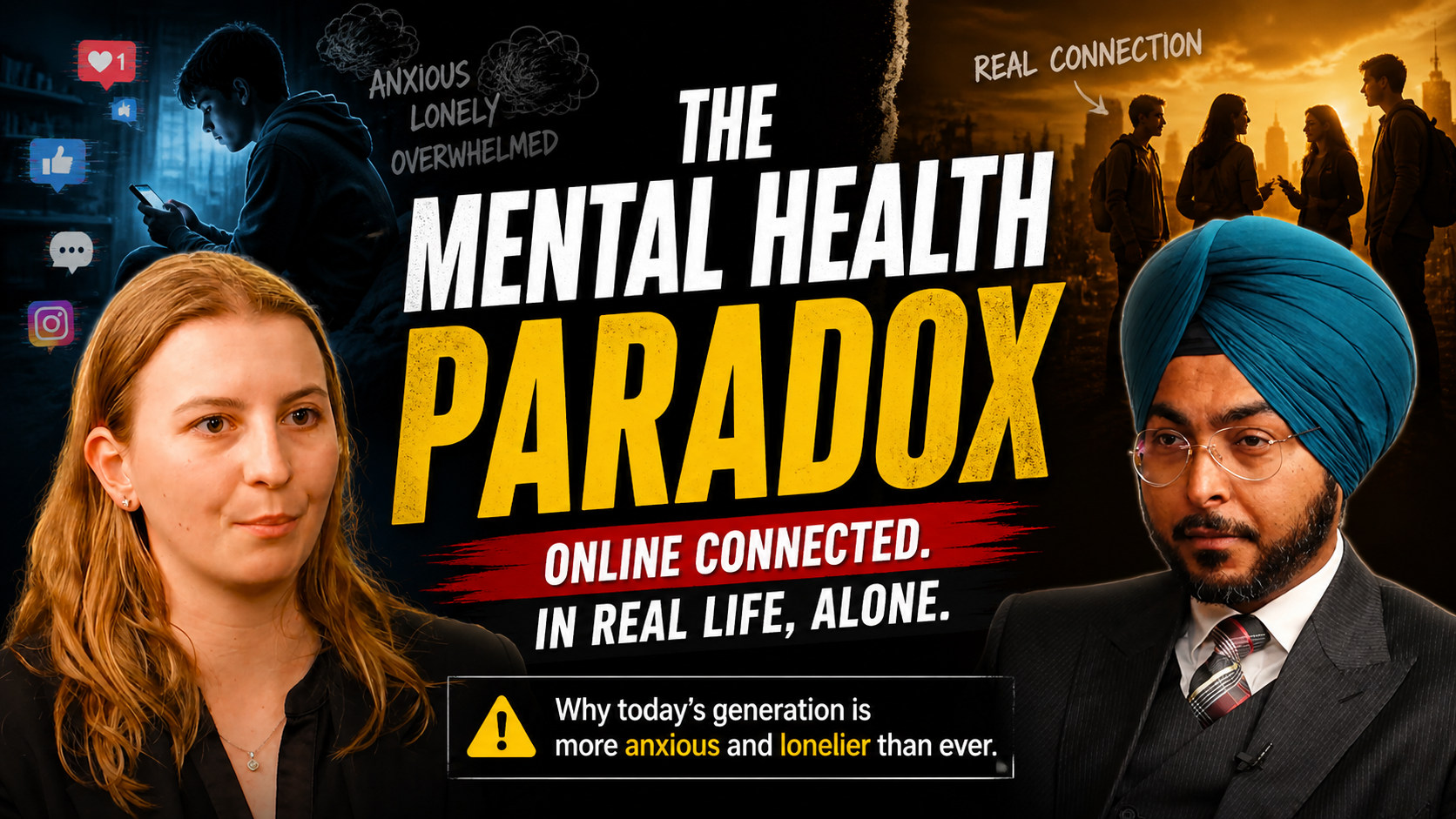
And yet, many young people are also reporting higher levels of anxiety, loneliness and emotional distress.
At first, this can feel like a contradiction. If social media helps young people stay connected, why are so many still feeling isolated? How can they be more connected and lonelier at the same time?
The answer is that both things can be true.
Social media can offer connection. But it does not always offer the depth, safety, emotional regulation and resilience that come from real-world relationships.
The Rise of Anxiety and Loneliness in Young People
Across families, schools and communities, there is growing concern about the mental health of children and young people. Anxiety, low mood, social withdrawal and loneliness are becoming increasingly common topics of conversation.
When a young person is struggling with anxiety or depression, one of the most helpful protective factors is connection. Being able to sit with family, speak to trusted friends, share worries, feel heard and know that someone cares can make a significant difference.
Human connection helps young people feel less alone. It reminds them that their feelings are valid, temporary and manageable. It can also encourage them to seek support, take small steps forward and re-engage with life.
But the kind of connection matters.
Why Social Media Can Feel Like Connection
For many young people, social media is not just entertainment. It is their social world.
It is where they talk to friends, keep up with trends, share experiences, receive validation and feel included. For young people who have grown up with social media, online communication may feel natural, safe and familiar.
Without it, they may feel disconnected or left out.
This is why simply saying “come off social media” is rarely enough. For many young people, social media is woven into how they belong.
However, online connection can sometimes become a substitute for deeper, in-person relationships. It can offer quick reassurance without building the emotional skills needed for real-life interaction.
Watch the complete Podcast on YouTube.
The Problem with Low-Quality Connection
Social media can provide connection, but it is often lower quality than face-to-face relationships.
A message, like, comment or video call may help a young person feel noticed in the moment, but it does not always provide the same emotional benefits as sitting with someone, reading their body language, hearing their tone of voice and feeling physically present with another person.
In-person connection teaches important life skills, including:
Resilience, empathy, patience, confidence, conflict resolution, communication and the ability to cope with discomfort.
These skills are not built overnight. They are developed through practice, mistakes, awkward conversations, trying new activities and learning how to recover from rejection or disappointment.
Why Real-Life Friendship Can Feel Scary
Many young people want friends. They want connection. They want to feel accepted.
But they may also feel deeply anxious about reaching out.
Meeting someone new can feel risky. Starting a conversation can feel uncomfortable. Joining a club, attending an event or trying something unfamiliar can bring up fears of failure, embarrassment or rejection.
For an anxious young person, social media can feel like the safer option. They can connect from home, control how they present themselves and step away whenever things feel too much.
But while this may reduce anxiety in the short term, it can also prevent young people from building the confidence they need in the long term.
The Comfort Zone Trap
One of the greatest challenges facing young people today is the fear of discomfort.
Many are not comfortable being bored. Many are fearful of failure. Many want certainty before trying something new.
But life rarely offers guarantees.
Trying a new activity, speaking to someone new or asking for help may not instantly make a young person feel better. But it often gives them the best chance of growth.
Confidence usually comes after action, not before it.
When young people avoid every uncomfortable experience, their world can become smaller. Over time, this can increase anxiety, reduce resilience and make ordinary life challenges feel overwhelming.
Why This Matters for Families, Schools and Communities
This issue is not just about screen time. It is about emotional development, social confidence and long-term wellbeing.
If young people do not have opportunities to practise real-world communication, they may struggle later with:
Building friendships, managing conflict, receiving feedback, trying new tasks, handling rejection, entering the workplace and coping with pressure.
Families, schools, safeguarding professionals and community leaders all have a role to play in helping young people rebuild these skills.
This means creating safe spaces where young people can talk, connect, fail, try again and feel supported.
How We Can Support Young People
Supporting young people does not mean removing all technology from their lives. It means helping them create balance.
We can encourage healthier connection by:
Creating regular family conversations without devices.
Encouraging hobbies, sports, volunteering or creative activities.
Helping young people practise face-to-face communication.
Teaching them that awkwardness and failure are part of learning.
Supporting gradual steps outside their comfort zone.
Listening without judgement when they share their worries.
Modelling healthy digital boundaries ourselves.
Young people need to know that anxiety is not a personal failure. They also need to learn that avoiding discomfort can make anxiety stronger, while gentle, supported action can help them grow.
A Shared Responsibility
The relationship between social media, anxiety and loneliness is complex. It is not helpful to blame young people or technology alone.
Young people are navigating a world that many adults did not grow up in. They are trying to belong, cope and connect in an environment that is constantly changing.
But we must not ignore the warning signs.
If young people are becoming more anxious, lonelier and less confident in real-life relationships, we need to respond with compassion, leadership and practical action.
Connection is still one of the most powerful protective factors for mental health. The challenge now is helping young people experience connection that is meaningful, safe and human.
Join Us at the National Child & Family Safety Leadership Summit 2026
To explore these urgent issues further, we invite you to attend the National Child & Family Safety Leadership Summit 2026 on 22nd May 2026.
Join us for a moving and inspiring gathering of leaders, professionals, educators, safeguarding experts, families and advocates committed to protecting children, strengthening families and creating safer, more connected communities.
Together, we can support young people to build resilience, confidence and meaningful relationships in a changing world.