
Fuel Security Is National Security: Why Australia Must Rethink Sovereignty, Supply Chains and Defence
Australia often talks about national security in terms of submarines, cyber threats, missiles, border protection and military capability. These are important conversations. But there is another national security issue sitting in plain sight, and it is far less glamorous than defence hardware.
Fuel.
Without fuel, Australia stops.
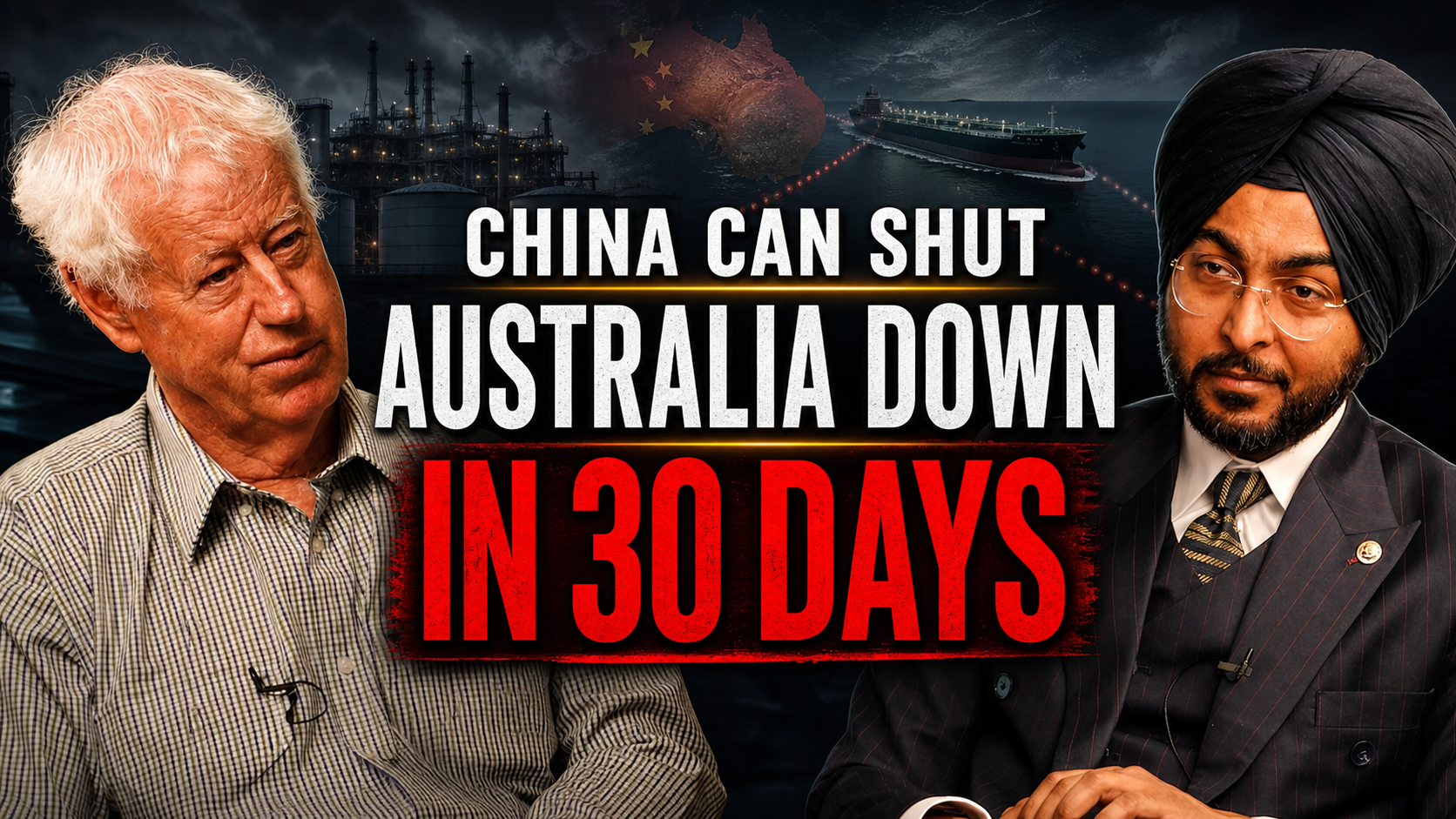
Diesel keeps freight moving. Petrol keeps communities connected. Aviation fuel keeps aircraft in the air. Fuel powers agriculture, mining, emergency services, construction, transport, logistics and defence operations. It underpins almost every part of daily life and national resilience.
Yet Australia has moved from being largely self-sufficient in fuel production to relying heavily on imported refined fuel. That shift raises serious questions about sovereignty, preparedness and the strength of our supply chains.
The Overlooked Weakness in Australia’s Defence Strategy
When people think about defending a country, they often imagine warships, fighter jets, submarines and surveillance systems. But national defence also depends on whether a country can keep functioning during a crisis.
If fuel supply were interrupted, Australia would face immediate pressure across multiple sectors. Freight routes would slow. Supermarket shelves would be affected. Farmers would struggle to operate machinery. Emergency services would be placed under strain. Aviation, mining, construction and manufacturing would all feel the shock.
This is why fuel security is not simply an energy issue. It is a national security issue.
Australia is geographically isolated and heavily dependent on maritime trade. Much of our fuel comes from overseas refining hubs, including Singapore and India. That means our fuel security depends not only on market access, but also on safe shipping routes, regional stability and the willingness of commercial operators to continue deliveries during a crisis.
A single disruption to shipping could create consequences far beyond the fuel sector.
The Risk of Relying on Imported Fuel
A country that cannot produce enough of its own essential fuel becomes vulnerable. It may still have strong defence assets, but those assets also rely on fuel, maintenance, logistics and industrial support.
If a tanker carrying fuel to Australia were threatened or turned back, the consequences would not be theoretical. Australia’s economy and essential services could be affected within weeks.
This raises a difficult but necessary question: what does sovereignty mean if we cannot guarantee the supply of the basic resources needed to run the country?
True sovereignty is not only about controlling borders. It is also about maintaining the capacity to feed people, move goods, support industry, protect communities and respond to emergencies.
Fuel sits at the centre of that capacity.
Watch the complete Podcast on YouTube.
Refinery Closures and the Cost of Losing Industrial Capability
Australia once had a stronger domestic refining sector. Today, the country has only a small number of operating refineries, and their continued operation has required government support.
The closure of refineries reflects a broader issue: the decline of domestic manufacturing capability.
When essential industries become too expensive to operate locally, countries often shift production offshore. In ordinary times, this may look efficient. Imported goods can seem cheaper. Supply chains can appear reliable. But during a crisis, the weakness becomes obvious.
A nation that does not make, refine or manufacture essential goods becomes dependent on others for survival.
This applies not only to fuel, but also to tyres, machinery parts, medical supplies, fertiliser, building materials and other critical goods. If supply chains are interrupted, Australia may quickly discover that convenience has come at the cost of resilience.
The Back Door Is Wide Open
Australia is prepared to spend heavily on defence capability. That may be necessary. But defence investment must be matched by investment in domestic resilience.
There is little point guarding the front door while leaving the back door open.
If Australia cannot secure fuel, tyres, transport networks and critical manufacturing inputs, then the country remains exposed. Defence is not just about military strength. It is about whether a nation can keep operating under pressure.
A resilient Australia needs more than submarines. It needs secure supply chains, domestic refining capacity, strong manufacturing, reliable transport infrastructure and practical contingency planning.
The Link Between Government Policy and Manufacturing Costs
One of the most confronting parts of this debate is the role of government policy in shaping the cost of doing business in Australia.
Manufacturing, agriculture and construction all rely on labour, regulation, energy, insurance and compliance systems. When these costs become too high, businesses struggle to compete. Some close. Others move offshore. Over time, the country loses skills, capacity and independence.
This does not mean workers should be exploited or safety standards ignored. It means the country must have an honest discussion about how to balance fair conditions with economic reality.
If policy settings make it impossible to operate essential industries locally, then Australia becomes more dependent on imports. That dependence can become dangerous in a crisis.
Sovereignty Must Be Practical, Not Just Political
Sovereignty is often discussed in emotional or political terms. But real sovereignty is practical.
Can we refine our own fuel?
Can we produce essential goods?
Can we maintain transport networks?
Can we respond to a crisis without waiting for overseas supply?
Can our defence force operate if fuel imports are disrupted?
Can families, farms, schools, hospitals and emergency services continue functioning during a national shock?
These are the questions that matter.
A nation is not truly secure if it cannot sustain itself.
Why This Conversation Matters Now
Australia’s national security debate must become broader and more honest. It must include defence, but also fuel, food, energy, transport, manufacturing, family safety, community resilience and leadership.
The challenges facing Australia are interconnected. A fuel shortage does not only affect defence. It affects families. It affects children. It affects regional communities. It affects the ability of frontline services to protect vulnerable people.
When essential systems fail, families and communities feel the consequences first.
That is why leadership matters. National safety is not only the responsibility of government. It requires business leaders, community organisations, educators, policymakers, advocates and families to come together and think seriously about the future.
Join Us at the National Child & Family Safety Leadership Summit 2026
These conversations are difficult, but they are necessary. Australia needs courageous leadership, practical solutions and a renewed commitment to protecting families, children and communities.
We invite you to attend the National Child & Family Safety Leadership Summit 2026 on 22nd May 2026.
Join us for a moving and inspiring gathering of leaders, advocates, professionals and community voices committed to building a safer, stronger and more resilient future for Australian children and families.
Together, we can start the conversations that matter and turn them into meaningful action.