
Men’s Mental Health, Isolation and the Power of Community
Men’s mental health is a conversation we cannot afford to avoid. Across different stages of life, many men experience pressure, loneliness, emotional strain and a growing sense of disconnection from the people and communities around them.
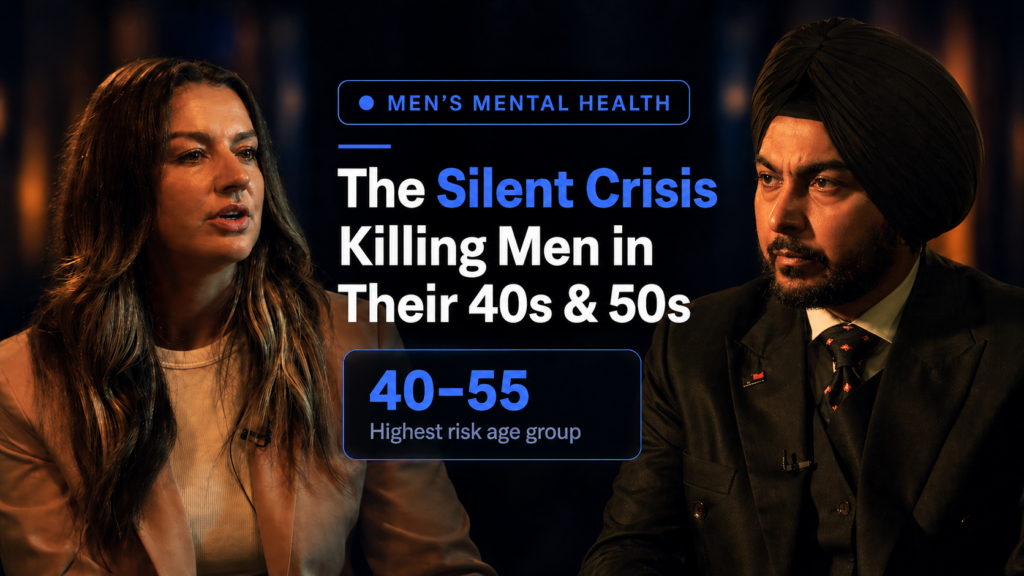
For some, these challenges appear in early adulthood. For others, they become more visible in midlife, particularly between the ages of 40 and 55, when men may face relationship breakdowns, financial stress, work pressures, caring responsibilities, bereavement, health concerns or a loss of identity and purpose.
While every person’s experience is different, one theme comes through strongly: isolation can have a profound impact on mental wellbeing.
Why Men Can Struggle in Silence
Many men have grown up with the expectation that they should cope alone, stay strong and avoid showing vulnerability. This can make it difficult to talk openly about sadness, fear, loneliness or emotional pain.
Instead of asking for help, some men withdraw. They may stop seeing friends, avoid family conversations, lose interest in hobbies or feel unable to explain what they are going through. Over time, this isolation can deepen, making it harder to reconnect.
Mental health support must therefore go beyond crisis response. It must also focus on early conversations, trusted relationships and everyday opportunities for men to feel seen, heard and valued.
Midlife, Purpose and Connection
For men in their 40s and 50s, mental health challenges can often be linked to a changing sense of purpose. Children may be growing older, careers may feel uncertain, relationships may shift, and social circles may become smaller.
In rural and regional communities, this can be even more difficult. Distance, limited services and fewer social opportunities may increase feelings of loneliness. When men lose regular connection to community, work, family or meaningful activity, their emotional wellbeing can suffer.
Purpose matters. Whether it comes through family, volunteering, sport, creative work, mentoring, faith, advocacy or local community involvement, having something meaningful to contribute can help build resilience.
Watch the complete Podcast on YouTube.
Older Men and Social Isolation
Men over 55 may also face increased risks of loneliness, particularly during retirement, after bereavement, or when health issues reduce independence. For those living in aged care or away from familiar community networks, isolation can become a major concern.
This is why social connection should be treated as an essential part of wellbeing. Regular conversation, shared activities, intergenerational programmes and community-led support can make a real difference to people’s lives.
Building Communities Where Men Can Speak Openly
Supporting men’s mental health is not only the responsibility of health professionals. Families, workplaces, sporting clubs, community groups and local leaders all have a role to play.
We need to create spaces where men feel safe to talk without judgement. We need to encourage honest conversations about loneliness, stress, grief and identity. Most importantly, we need to remind men that seeking support is not weakness — it is a courageous and necessary step towards healing.
A stronger community is one where no one feels invisible.
Creating Safer Futures for Families
Men’s mental health also affects families, children and communities. When men are supported, connected and emotionally well, families are stronger and safer. By investing in prevention, education and community leadership, we can help reduce isolation and build healthier futures for everyone.
Join Us
To continue this important conversation, we warmly invite you to attend the National Child & Family Safety Leadership Summit 2026 on 22nd May 2026.
Join us for a moving and inspiring event bringing together leaders, professionals, advocates and communities committed to protecting children, strengthening families and creating lasting change.