
Why Are More Young People Seeking Psychological Support? Understanding Youth Mental Health in Queensland
Youth mental health in Queensland is at a critical point. More young people than ever are seeking psychological support, counselling, and early intervention services. While increased awareness is a positive step forward, the underlying reasons behind this rise are complex and deeply concerning. From cyberbullying and social media pressure to isolation, anxiety, and suicidal ideation, today’s young people are navigating a world that looks very different from just a decade ago.
In clinical settings across Queensland, psychologists are seeing younger clients presenting with heightened anxiety, emotional disconnection, and a growing sense of hopelessness. This shift is not about a lack of resilience it reflects profound environmental and societal changes that demand attention, compassion, and action.
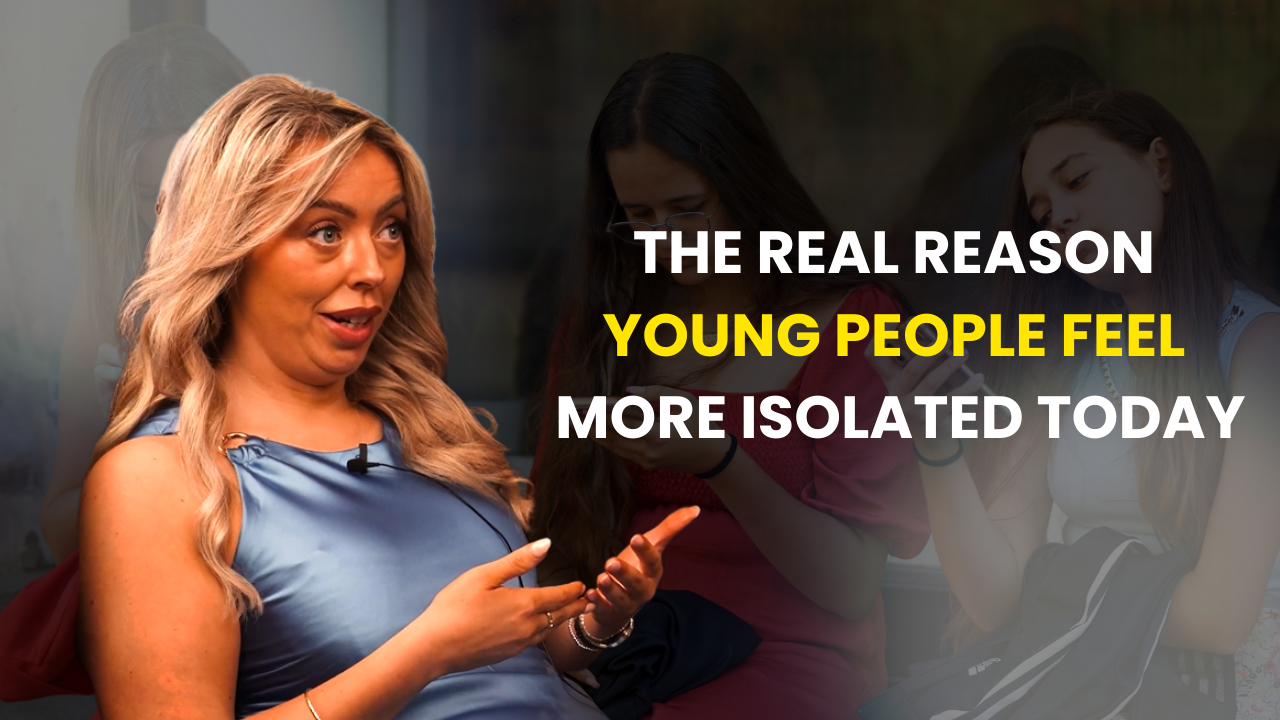
The Changing Landscape of Youth Mental Health
1. Bullying Has No ‘Switch Off’ Time
Years ago, bullying while devastating often had a boundary. A young person might endure it during school hours but could find some reprieve at home.
Today, cyberbullying has removed that protective barrier.
With smartphones and social media platforms such as Snapchat and emerging apps appearing at speed, harassment can continue 24 hours a day. There is no guaranteed safe space. Online humiliation, exclusion, and harassment can follow a young person into their bedroom, into family time, and even into the early hours of the morning.
This constant exposure contributes significantly to:
- Chronic anxiety
- Sleep disruption
- Heightened hypervigilance
- Low self-worth
The digital world has amplified social comparison, making it harder for young people to disengage from perceived judgement.
2. Social Media Pressure and Identity Formation
Adolescence has always been a period of identity formation. However, today’s young people are forming their identities in public.
Likes, comments, followers, and curated online personas create pressure to perform rather than simply exist. For many, self-esteem becomes tied to digital validation.
Common psychological impacts include:
- Social anxiety
- Body image concerns
- Fear of missing out (FOMO)
- Perfectionism
The pace at which new platforms emerge also makes parental monitoring more difficult, increasing anxiety for families trying to keep children safe online.
3. Rising Anxiety Among Parents
Parenting in 2026 is markedly different from previous generations. News cycles highlight alarming incidents, online exploitation risks, and youth crime. Even professionals working in legal or psychological settings report increased hypervigilance in their own daily lives.
Parents are navigating a difficult balance:
- Avoid being overly protective
- Yet ensure safety in an unpredictable environment
The traditional criticism of “helicopter parenting” often fails to acknowledge the genuine risks families perceive. This heightened parental anxiety can unintentionally transfer to young people, further increasing stress within households.
4. Disconnection and Social Isolation
A striking clinical trend is emotional disconnection.
Many young clients report:
- Feeling socially awkward
- Struggling with in-person communication
- Avoiding social settings
- Retreating into online spaces
Digital connection does not always equal meaningful connection. Without opportunities to build interpersonal skills face-to-face, some young people feel ill-equipped to manage conflict, rejection, or disagreement.
Isolation is a significant risk factor for depression and suicidal ideation.
5. The Misuse of the Word “Resilience”
“You just need to be more resilient.”
While resilience is important, using it as a blanket response can be harmful. It can imply that the problem lies within the young person rather than in the environment around them.
Sometimes:
- The school setting may not be safe
- The peer group may be toxic
- The online culture may be damaging
True support involves examining systemic factors not simply urging individuals to “cope better”.
Youth mental health care must move beyond buzzwords and towards structural change, compassionate intervention, and safer environments.
Why Early Psychological Support Is Increasing
Young people are seeking counselling earlier because:
- Mental health awareness has improved
- Schools are more proactive in referrals
- Parents are recognising warning signs sooner
- Social stressors have intensified
Early intervention is not a sign of weakness it is preventative care. Addressing anxiety, depression, or suicidal thoughts early can significantly reduce long-term mental health challenges.
Watch the complete Podcast on YouTube.
A Call for Collective Responsibility
Supporting youth mental health in Queensland is not solely the responsibility of psychologists, teachers, or parents. It requires:
- Stronger digital safety education
- School-based mental health programmes
- Community engagement initiatives
- Accessible counselling services
- Policy support at state and federal levels
Young people are not failing they are responding to environments that are changing faster than we are prepared for.
Join Us at Our Upcoming Events
Join us at the WA International Women’s Day 2026 – Leaders Breakfast Event. We honour remarkable women. They shaped Western Australia’s history. For instance, they led through activism and caregiving. Moreover, they built communities.
Join Us at the National Child & Family Safety Leadership Summit 2026 will bring together leaders, practitioners, policymakers, researchers and community voices from across the country. This important gathering creates space for meaningful dialogue on the most pressing issues impacting children and families including domestic violence, coercive control, child protection, and community wellbeing.
We look forward to welcoming you to this moving and inspiring celebration of women’s achievements and contributions. Don’t miss this opportunity to hear from one of WA’s most influential scientific leaders, Miquela Riley.