Understanding Youth Drug Use in High School: A Growing Community Concern
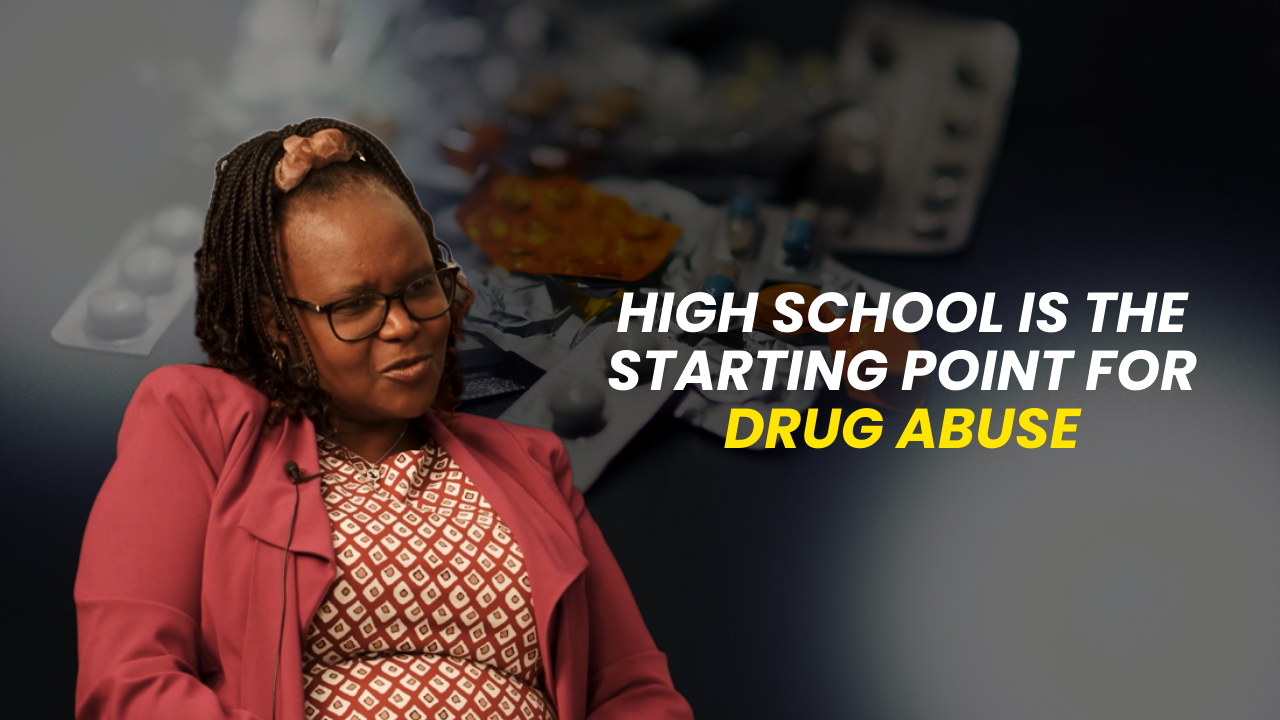
Across many communities, a worrying trend is becoming harder to ignore. Increasingly, the conversation around teenage substance use is shifting away from alcohol and towards drugs. Parents, teachers and community organisations are seeing the change first hand, particularly as children transition from primary school into high school.
This transition period, often beginning as early as Year 6, is proving to be a critical moment in a young person’s life.
The High School Transition: A Vulnerable Turning Point
Starting high school can be exciting, but it can also be overwhelming. New environments, new social groups and the pressure to fit in can create a perfect storm of vulnerability.
For many young people, the desire to belong becomes stronger than the fear of risk. Older students can unintentionally or deliberately influence younger ones, introducing them to behaviours they may not fully understand or feel ready to resist. Peer pressure remains one of the most powerful drivers behind early experimentation with substances.
What begins as curiosity or a desire to “fit in” can quickly develop into a pattern that is difficult to break.
From Alcohol to Drug “Cocktails”
Community workers and youth practitioners are noticing a shift. Alcohol is no longer the primary concern. Instead, there is growing exposure to a wide range of substances, often mixed together in what young people refer to as “cocktails”.
This trend is particularly alarming because combining substances increases health risks, addiction potential and long-term harm. The availability of drugs through social networks and online channels has made experimentation easier than ever before.
At the same time, public conversations around medicinal cannabis and changing attitudes towards drug use have added complexity to the issue. While legitimate medical treatments play an important role in healthcare, young people may struggle to distinguish between responsible use and recreational misuse.
Watch the complete Podcast on YouTube.
The Role of Early Exposure and Experimentation
Many adults struggling with addiction trace their first exposure back to seemingly harmless experimentation during adolescence. Even small experiences such as tasting alcohol in family or cultural settings can sometimes spark curiosity that grows over time.
Young people are naturally curious. Without clear guidance and open conversations, experimentation can become normalised before they fully understand the risks.
This is why early education and honest dialogue are so important.
ADHD Medication and Unintended Consequences
Another growing concern is the misuse of prescription medications. Treatments designed to support children with ADHD can be life-changing when used correctly. However, some young people later misuse or become dependent on these medications.
In certain cases, this dependency can lead to experimentation with stronger stimulants in later years. This highlights the importance of ongoing support, monitoring and education as children move into adolescence and adulthood.
The Importance of Community, Schools and Parents
No single group can address this issue alone. Schools are working hard to provide education and support, but families and communities play an equally important role.
Young people need:
- Positive role models at home
- Safe spaces to talk openly
- Education about risks and consequences
- Access to support services without stigma
- Community programs that promote belonging and purpose
When these supports work together, young people are more likely to make informed and healthy choices.
Looking Ahead
The rise in youth drug use is not just a health issue it is a community issue. Supporting young people through the challenges of adolescence requires compassion, collaboration and ongoing conversation.
By working together, we can help ensure the next generation grows into healthy, confident and resilient adults.
Join Us at Our Upcoming Events
Join us at the WA International Women’s Day 2026 – Leaders Breakfast Event. We honour remarkable women. They shaped Western Australia’s history. For instance, they led through activism and caregiving. Moreover, they built communities.
Join Us at the National Child & Family Safety Leadership Summit 2026 will bring together leaders, practitioners, policymakers, researchers and community voices from across the country. This important gathering creates space for meaningful dialogue on the most pressing issues impacting children and families – including domestic violence, coercive control, child protection, and community wellbeing.
We look forward to welcoming you to this moving and inspiring celebration of women’s achievements and contributions. Don’t miss this opportunity to hear from one of WA’s most influential scientific leaders, Miquela Riley.