
Finding Your Voice: Leadership, Education, and Standing Up for What Matters
In today’s rapidly changing world, women leadership, community education, and the courage to speak up against injustice have never been more important. Across regional and rural communities in Australia, many women have quietly shaped change — not by seeking leadership roles, but by stepping forward when it truly mattered.
This blog explores the journey of a remarkable woman whose path spans education, farming, advocacy, and community leadership. Her story reflects a powerful truth: leadership is not always planned sometimes, it grows from conviction, lived experience, and the willingness to act.
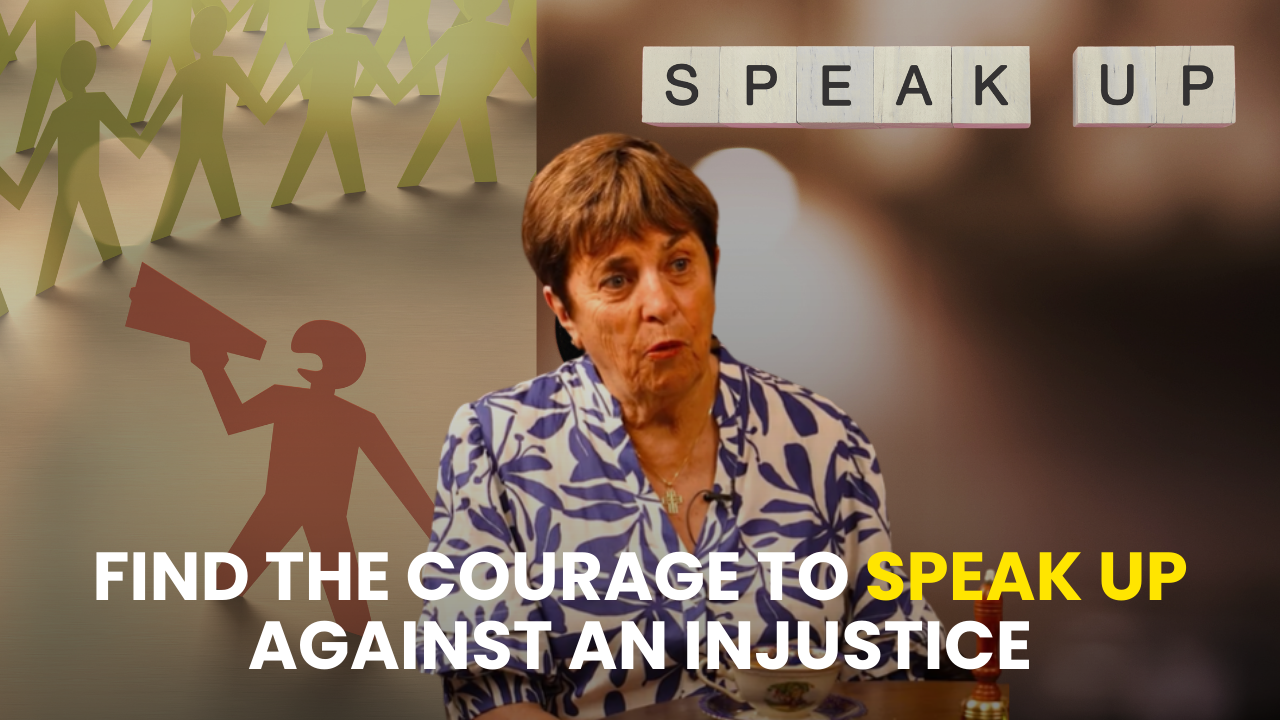
Leadership Without a Title: Speaking Up Against Injustice
Not all leaders begin with ambition. Some begin with a simple refusal to stay silent.
“I am not willing to not speak out when something feels like an injustice.”
This mindset defines a different kind of leadership one rooted in values rather than position. It is about recognising when something is wrong and having the courage to question it, even without formal authority.
In many rural and regional settings, this kind of leadership becomes essential. Whether it is addressing environmental concerns, challenging systems, or advocating for better education, change often starts with individuals who are willing to ask difficult questions.
The Role of Education in Empowering Communities
Education has been a central thread throughout this journey.
As an accredited teacher of natural family planning, she became deeply involved in community education, including developing and delivering sex education programmes. What made her approach unique was her emphasis on involving parents.
Rather than limiting education to the classroom, she brought families into the conversation:
- Encouraging open dialogue between parents and children
- Creating safe spaces for learning and understanding
- Bridging the gap between school-based teaching and real-life guidance
This approach recognised a crucial truth: teachers may guide, but families shape long-term understanding.
Her work extended across multiple communities from Perth to smaller regional towns like Narrogin and Lake Grace — demonstrating a commitment to accessible and inclusive education.
Watch the complete Podcast on YouTube.
Learning Beyond Formal Systems
One of the most striking aspects of her journey is her belief in self-education.
“I’m a self-educated person in many ways.”
In industries like farming and aquaculture, where information is often limited or evolving, this mindset becomes invaluable. Rather than waiting for answers, she actively sought knowledge, collaborated with experts, and challenged assumptions.
For instance, while working in yabby farming, she partnered with researchers such as Dr Craig Lawrence to better understand environmental impacts. When presented with data attributing significant losses to climate change, she questioned the narrative suggesting alternative causes like pesticide use.
This willingness to think critically and engage in informed dialogue highlights a key leadership trait: curiosity paired with courage.
Leadership Across Diverse Roles
From running a farm to managing a cottage business and teaching in classrooms, her experiences span multiple domains. Each role required different skills, yet several common threads emerge:
1. Adaptability
Navigating different industries and responsibilities requires flexibility and a willingness to learn continuously.
2. Communication
Whether teaching students, engaging parents, or speaking with policymakers, clear and honest communication remains essential.
3. Community Focus
Every role was rooted in contributing to the wellbeing of others from education to environmental advocacy.
4. Courage to Challenge
True leadership often involves questioning established systems and advocating for change.
Recognition and Influence
While she never set out to become a leader, her work did not go unnoticed.
Receiving the Western Australian Rural Women’s Award in 2000 brought visibility and opened doors to broader conversations. It also highlighted the importance of recognising women who lead through action rather than title.
With increased visibility came greater opportunities to engage with policymakers and politicians a crucial step in driving systemic change.
Her perspective is clear:
If we want change, we must engage with those who have the power to make it happen.
Redefining Leadership for Future Generations
This story challenges traditional ideas of leadership.
Leadership is not always about formal roles, corporate titles, or public recognition. It can look like:
- A teacher creating meaningful conversations in a classroom
- A farmer questioning environmental practices
- A community member advocating for better systems
- A woman choosing to speak up when it would be easier to stay silent
As we move forward, especially in the context of women empowerment and community leadership, these everyday acts of courage and commitment deserve greater recognition.
Join Us at Our Upcoming Events
Join Us at the National Child & Family Safety Leadership Summit 2026 will bring together leaders, practitioners, policymakers, researchers and community voices from across the country. This important gathering creates space for meaningful dialogue on the most pressing issues impacting children and families including domestic violence, coercive control, child protection, and community wellbeing.
We look forward to welcoming you to this moving and inspiring celebration of women’s achievements and contributions. Don’t miss this opportunity to hear from one of WA’s most influential scientific leaders, Miquela Riley.