Turning Pain into Purpose: Breaking the Cycle of Domestic Violence
Domestic violence is not only a personal experience. It is a social issue, a family issue and a community issue. For many survivors, the pain of abuse does not end the moment they leave. The emotional impact, trauma, fear, shame and memories can continue long after the relationship is over.
But for some survivors, that pain becomes something more. It becomes a reason to speak, to educate, to advocate and to create change.
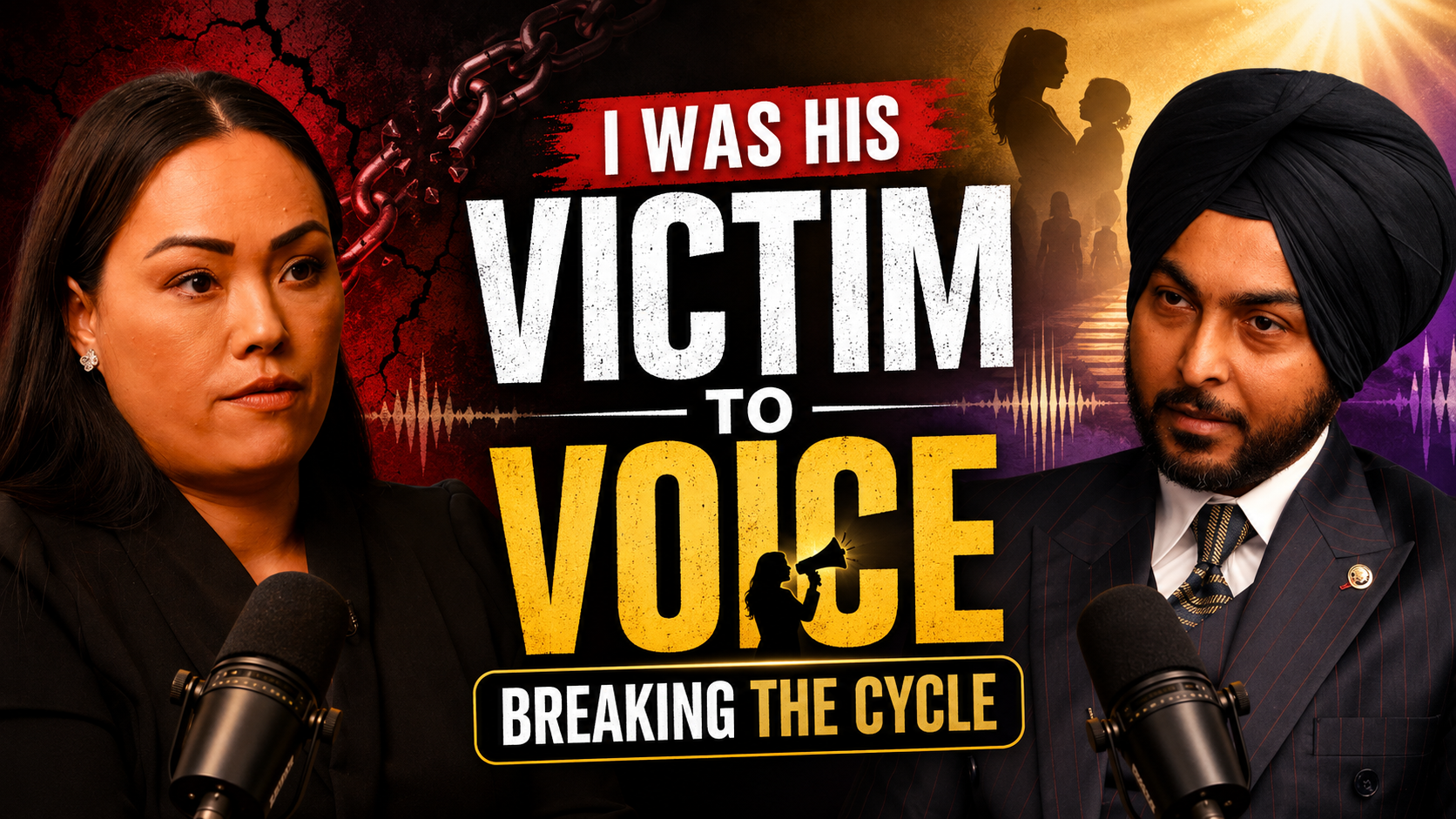
In this powerful conversation, the idea of turning pain into purpose becomes central. The speaker reflects on living through family and domestic violence, reclaiming her future, protecting her children, and using her story to help others.
Her message is clear: abuse may be part of her story, but it does not define who she is.
Domestic Violence May Be Part of the Story, But It Does Not Define the Survivor
One of the most powerful points in this conversation is the idea that domestic violence can be part of someone’s life without becoming their entire identity.
The speaker acknowledges that the abuse she experienced is part of her. It shaped parts of her life, her choices and her healing journey. But she also makes it clear that it does not define her.
This is an important message for survivors.
Domestic violence can take away confidence, safety, independence and self-belief. It can make a person feel powerless. But survival is not weakness. Leaving, healing and rebuilding are acts of courage.
The abuse happened to her, but it is not who she is.
Refusing to Give the Abuser the Future
A deeply moving part of the conversation is when the speaker says she had to ask herself whether she wanted to remain trapped in pain and allow the abuser to still have control over her life after she had left.
That reflection is powerful.
Abuse can continue emotionally even after physical separation. Survivors may carry guilt, fear, trauma and anger for years. But the decision to rebuild is also a decision to reclaim control.
The speaker’s words remind us that an abuser may have taken many things, but they should not be allowed to take the future as well.
She does not want to give him her future.
She does not want to give him her children’s future.
She wants the cycle to stop with her.
Watch the complete Podcast on YouTube.
What Does It Mean to Turn Pain into Purpose?
Turning pain into purpose does not mean pretending the pain did not happen. It does not mean minimising trauma or rushing healing.
It means taking something deeply painful and using it to create awareness, education, hope and change.
For this survivor, purpose means speaking for women who cannot yet speak. It means giving a voice to those still trapped in abusive relationships. It means standing beside those who are silenced by shame, fear, judgement or family pressure.
It also means remembering the women and children who have lost their lives to domestic violence.
When survivors speak, they do more than tell a personal story. They shine a light on patterns of abuse, gaps in support systems, and the urgent need for better protection, prevention and policy.
Silence Allows Violence to Grow
One of the strongest messages in this conversation is that silence can allow violence to continue.
Many victims and survivors of domestic violence stay silent because they fear not being believed. Others worry about shame, embarrassment or judgement from friends, family or community members. Some are still under the control of the person abusing them.
This silence is not their fault.
But as a society, we must create safer spaces where people can speak, seek help and be supported without blame.
Domestic violence thrives when it is hidden. Awareness, education and open conversations are essential in breaking that silence.
Speaking out can help others recognise abuse earlier, understand coercive control, support victims better, and push for stronger community and legal responses.
Breaking the Cycle for Children
Perhaps the most emotional part of the conversation is the speaker’s commitment to her children.
She reflects on everything they have been through together and her desire to show them strength, resilience and forgiveness. Her purpose is not only about her own healing. It is also about breaking the cycle for the next generation.
The words “It stops with me” carry enormous weight.
Breaking the cycle of domestic violence means ensuring children do not grow up believing abuse is normal. It means showing them that love should not involve fear, control or harm. It means giving them a different model of safety, respect and emotional strength.
For this survivor, her children and future grandchildren are part of her motivation. They are her reason to keep going, keep healing and keep speaking.
From Survival to Legacy
The speaker does not describe her work as being about status or recognition. Instead, it is about impact.
She wants to create a better world, even if it helps just one person.
That is the heart of purpose through pain.
Survivors who speak out often help others feel less alone. Their stories can encourage someone to seek help, leave an unsafe situation, understand their worth, or support a loved one more compassionately.
Their courage can also help professionals, policymakers and community leaders understand the real human impact of family and domestic violence.
A survivor’s voice can become a source of education, hope and change.
Why These Conversations Matter
Domestic violence is complex. It affects individuals, children, families and entire communities. It requires more than awareness. It requires action, prevention, education, early intervention and strong leadership.
Conversations like this matter because they humanise the issue. They remind us that behind every statistic is a person, a family and a future that deserves safety.
They also remind us that survivors are not defined by what happened to them. They are defined by their courage, resilience and determination to build something better.
Turning pain into purpose is not easy. It is emotional, brave and deeply personal. But it can also become a powerful force for change.
Final Thoughts
This conversation is a moving reminder that domestic violence may leave scars, but it does not have to take away a survivor’s future.
The speaker’s journey shows the strength it takes to reclaim life after abuse, to speak for those who are still silent, and to break the cycle for children and future generations.
Her message is one of courage, hope and responsibility.
The violence stops when silence is broken.
The cycle stops when someone chooses a different path.
The future changes when pain is turned into purpose.
Join Us at the National Child & Family Safety Leadership Summit 2026
To continue these vital conversations around domestic violence, family safety, child protection, prevention and leadership, we invite you to attend the National Child & Family Safety Leadership Summit 2026 on 22nd May 2026.
Join us for a moving and inspiring event bringing together survivors, advocates, professionals, policymakers and community leaders who are committed to creating safer futures for children and families.
This summit is an opportunity to listen, learn, connect and be part of meaningful change.
We look forward to welcoming you on 22nd May 2026.