
The Structure of Genocide: Understanding the Warning Signs of Mass Atrocity
Primary Keywords: genocide prevention, mass atrocities, incitement to hatred, human rights law
Secondary Keywords: freedom of expression, hate speech legislation, social media regulation, early warning signs of genocide, international human rights standards
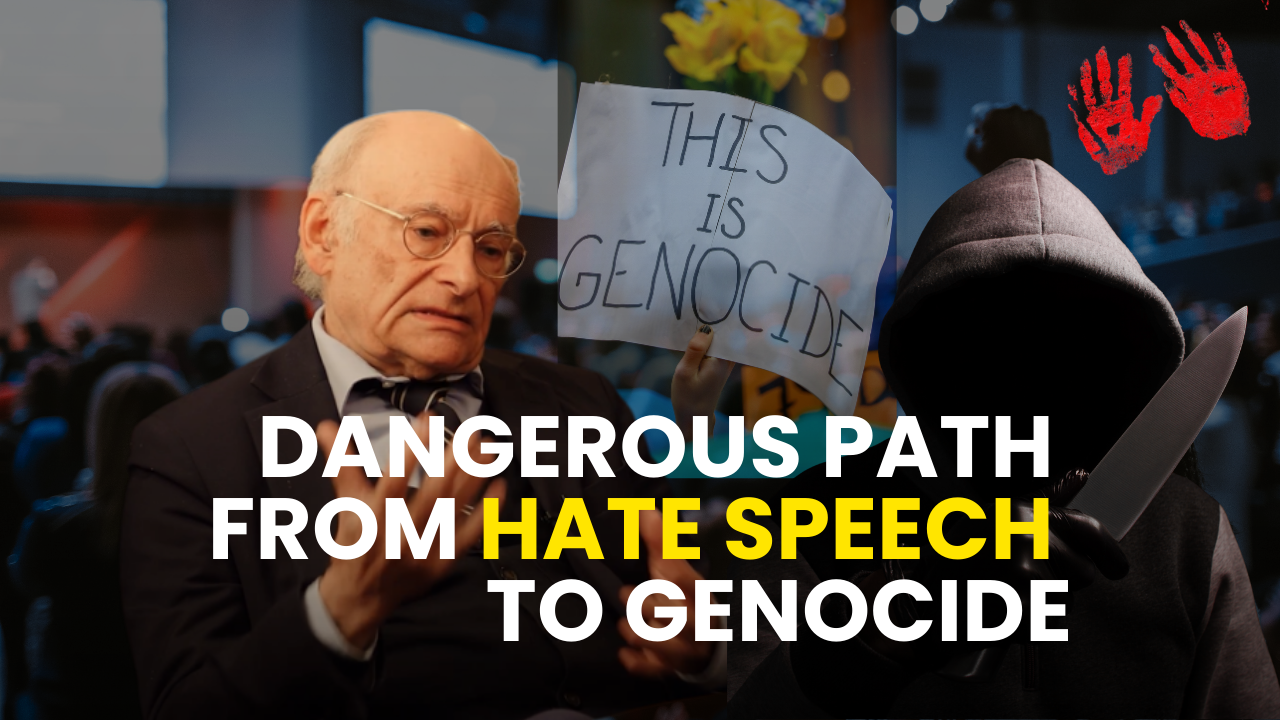
Genocide does not begin with violence. It begins with words.
Understanding the structure of genocide and mass atrocities is essential if we are serious about genocide prevention. Across history, the killing of populations based on gender, race, religion or creed has followed identifiable patterns. Scholars, legal experts and human rights advocates have long studied these patterns to answer one critical question: How does it happen?
The uncomfortable truth is that genocide is rarely spontaneous. It is structured, progressive and often predictable.
The Early Warning Signs of Genocide
Research into mass atrocities consistently shows that genocide unfolds in stages. One of the most widely referenced frameworks identifies a series of steps that move from social division to organised extermination.
While terminology may vary slightly between scholars, the structure commonly includes:
- Classification – Dividing society into “us” and “them”.
- Symbolisation – Labelling or marking groups as distinct.
- Discrimination – Systematically denying rights to targeted groups.
- Dehumanisation – Portraying the group as inferior, dangerous or less than human.
- Organisation – Mobilising political or paramilitary structures.
- Polarisation – Spreading propaganda and silencing moderates.
- Preparation – Planning removal, displacement or destruction.
- Persecution – Targeted violence, imprisonment or forced displacement.
- Extermination – Mass killing.
- Denial – Minimising or denying the crime afterwards.
What is striking is that the earliest stages often occur in plain sight.
Incitement to Hatred: The Dangerous Starting Point
Incitement to hatred is frequently one of the first and most significant steps in the structure of genocide. When influential voices frame a group as a threat, as criminals, or as undeserving of rights, the groundwork is laid for wider harm.
International human rights law recognises this danger. There are global standards addressing incitement to hatred, and many countries have domestic legislation aimed at preventing it. However, this area remains complex.
Why? Because human rights do not always move in the same direction.
There is a right to freedom of expression a cornerstone of democratic societies. But there is also a right to protection from incitement to hatred and violence. Balancing these rights is one of the most challenging legal and moral dilemmas of our time.
The guiding principle is often to prevent the greater harm. In many contexts, unchecked incitement can escalate into discrimination, persecution and ultimately violence. Yet restrictions on speech must also be carefully considered to avoid undermining democratic freedoms.
Watch the complete Podcast on YouTube.
The Role of Technology and Social Media
The digital age has intensified these challenges.
In the past, spreading hateful propaganda required control of newspapers, radio stations or state institutions. Today, social media platforms allow content including harmful and inflammatory rhetoric — to circulate globally within seconds.
The regulatory frameworks governing online speech remain underdeveloped in many parts of the world. Standards are evolving, but implementation varies widely. Algorithms that prioritise engagement can unintentionally amplify divisive content.
This technological shift has made early intervention more urgent than ever. When incitement spreads rapidly and widely, the risk of polarisation increases.
Patterns Across Mass Atrocities
Across different regions and time periods, certain common features appear in mass atrocities:
- A political or social crisis that fuels fear
- Narratives blaming a minority group for broader problems
- The erosion of legal protections
- The silencing of dissenting voices
- Gradual normalisation of discriminatory language
By the time violence becomes visible, the underlying structure has often been in place for years.
Recognising these patterns is not about assigning alarm prematurely. It is about strengthening democratic resilience, protecting vulnerable communities and ensuring that legal safeguards function effectively.
Prevention Begins with Awareness
The study of genocide is not merely historical; it is preventative. Education about incitement, discrimination and human rights standards empowers citizens, policymakers and leaders to respond early.
Freedom of expression remains fundamental. Yet societies must also acknowledge that speech capable of inciting violence carries profound consequences. The balance between these rights demands careful, principled leadership grounded in human dignity.
Ultimately, genocide prevention depends on strengthening inclusive institutions, fostering critical thinking, and encouraging respectful public discourse.
The Strength of Women Who Carried Too Much
Across Queensland and beyond countless women have carried similar burdens. Many sacrificed their childhoods to support families, nurture siblings, and hold communities together. Their contributions often go unnoticed because caregiving, emotional labour and quiet resilience rarely make headlines.
Yet these women are the backbone of families and communities. Their strength has shaped households, neighbourhoods and, ultimately, the state itself.
Join Us at Our Upcoming Events
Join Us at the National Child & Family Safety Leadership Summit 2026 will bring together leaders, practitioners, policymakers, researchers and community voices from across the country. This important gathering creates space for meaningful dialogue on the most pressing issues impacting children and families including domestic violence, coercive control, child protection, and community wellbeing.
We look forward to welcoming you to this moving and inspiring celebration of women’s achievements and contributions. Don’t miss this opportunity to hear from one of WA’s most influential scientific leaders, Miquela Riley.