Social Media and Young People: Bridging the Gap Between Perception and Reality
In today’s digital age, conversations around young people and social media are often dominated by concern. Headlines frequently highlight cyberbullying, harmful content, and screen addiction. While these issues are real and require attention, they only tell part of the story.
Recent insights reveal a striking contrast: nearly 80% of 14 to 17-year-olds in Australia report that social media and phone use have a positive impact on their lives. This raises an important question are we truly listening to young people, or are we shaping the narrative without them?
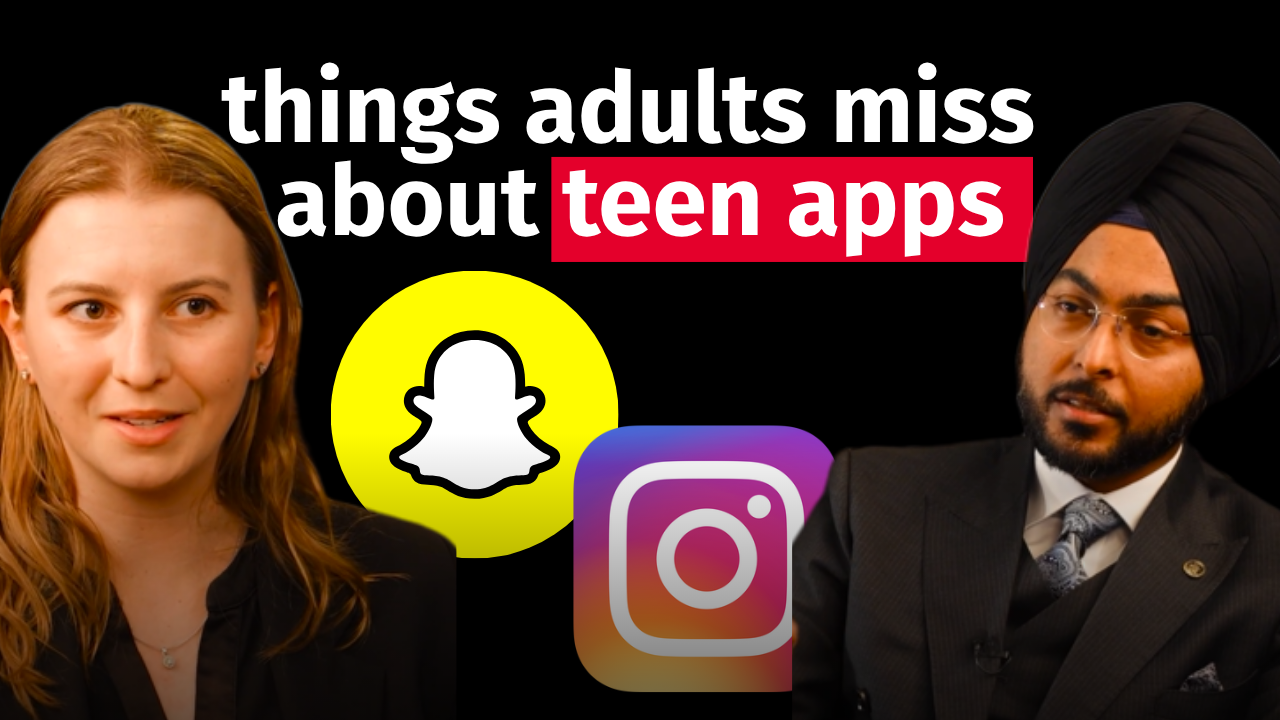
Understanding the Disconnect Between Adults and Young People
There is a clear disconnect between how adults perceive social media and how young people experience it.
- Adults often see risk — focusing on addiction, distraction, and harm
- Young people see value — connection, identity, and belonging
This gap can create tension, especially in households where parents are trying to guide behaviour without fully understanding the role digital platforms play in their child’s life.
Why Young People Use Social Media
To have meaningful conversations, we must first understand why young people are drawn to social media beyond simply “keeping in touch”.
1. Connection and Belonging
For many teenagers, social media is their primary way of staying connected with friends. It helps them feel included and up to date with social circles, reducing feelings of isolation.
2. Identity and Self-Expression
Young people use platforms to explore who they are. Whether through sharing content, engaging in trends, or building a digital presence, social media becomes a space for identity formation.
3. Memory Keeping
Unlike previous generations, many young people store their memories online—through photos, videos, and saved stories on platforms like Snapchat.
4. Creativity and Inspiration
From content creation to discovering new hobbies, social media provides a creative outlet. It also exposes young people to ideas, skills, and communities they might not otherwise encounter.
5. News and Awareness
Traditional news consumption is declining among younger audiences. Instead, many rely on digital platforms and outlets like The Daily Oz to stay informed about current events.
Watch the complete Podcast on YouTube.
The Real Risks Cannot Be Ignored
While there are clear benefits, the risks are significant:
- Exposure to harmful, violent, or sexualised content
- Cyberbullying and online harassment
- Unrealistic comparisons and mental health impacts
Studies suggest that around 62% of young people have encountered harmful content online. These concerns are valid and require proactive solutions—from both families and policymakers.
The Risk of One-Sided Conversations
Focusing solely on the dangers of social media can lead to unintended consequences.
If policies or restrictions are introduced without considering young people’s perspectives, we risk:
- Removing valuable support systems
- Increasing feelings of disconnection and anxiety
- Creating confusion around how to safely engage online
Young people may feel misunderstood or unheard reinforcing the very disconnect we are trying to solve.
How Parents Can Start Better Conversations
Rather than approaching social media as purely “good” or “bad”, parents can foster open, balanced discussions:
- Listen first – Ask young people how they use social media and what it means to them
- Acknowledge the positives – Recognise the role it plays in their social and emotional lives
- Discuss risks openly – Without judgement, talk about online safety and boundaries
- Co-create guidelines – Work together to establish healthy usage habits
These conversations build trust and empower young people to make informed decisions.
Towards a More Balanced Approach
The goal should not be to eliminate social media from young people’s lives, but to create a healthier relationship with it.
This requires:
- Inclusive policy-making that includes youth voices
- Education over restriction
- Ongoing dialogue between generations
By shifting the conversation, we can move from fear-based narratives to informed, constructive engagement.
Join Us at Our Upcoming Events
Join Us at the National Child & Family Safety Leadership Summit 2026 will bring together leaders, practitioners, policymakers, researchers and community voices from across the country. This important gathering creates space for meaningful dialogue on the most pressing issues impacting children and families including domestic violence, coercive control, child protection, and community wellbeing.
We look forward to welcoming you to this moving and inspiring celebration of women’s achievements and contributions. Don’t miss this opportunity to hear from one of WA’s most influential scientific leaders, Miquela Riley.