Reducing Epilepsy Death and Injury Rates in Western Australia: What Must Change Now
Epilepsy affects more than 28,000 Western Australians. Behind that number are families, workplaces, classrooms and communities navigating the daily realities of seizures, uncertainty and, too often, preventable harm.
Across Australia, approximately 1,100 epilepsy-related deaths occur each year. Many of these are linked to Sudden Unexpected Death in Epilepsy (SUDEP), injury during seizures, or gaps in specialist care. While progress has been made over the past decade, we must now take decisive action at both state and federal levels to reduce these numbers as far as possible.
The question is not whether we can do more. It is whether we will.
The Role of Epilepsy WA in Saving Lives
At a state level, one of the most important actions is strengthening and expanding the work of Epilepsy WA.
This organisation provides:
- Education for families and schools
- Training in seizure first aid
- Support services for individuals and carers
- Advocacy for safer systems of care
Community support matters. Government partnership matters even more.
If we are serious about reducing death and injury rates, the State Government must stand firmly behind Epilepsy WA and ensure long-term, sustainable funding. This is not an optional add-on service it is vital infrastructure for public health.
The Top Three Actions Needed at State Level
1. Stronger Investment in Community-Based Epilepsy Services
Education saves lives. The more people who understand seizure first aid and recognise risks, the fewer preventable injuries occur. Sustained state funding ensures services are accessible across metropolitan and regional Western Australia.
2. Attract and Retain More Neurologists
Western Australia faces ongoing shortages in specialist neurological care.
We must:
- Attract more neurologists to WA
- Incentivise regional placements
- Reduce public waiting lists
- Improve continuity of care
Early diagnosis, medication management and specialist review dramatically reduce seizure frequency and in turn, reduce risk of SUDEP and injury.
3. Open Conversation About Death and Injury Rates
Silence does not protect families.
We need transparent reporting on epilepsy-related deaths and injuries in WA. Honest public conversation leads to better policy, informed families and targeted prevention strategies.
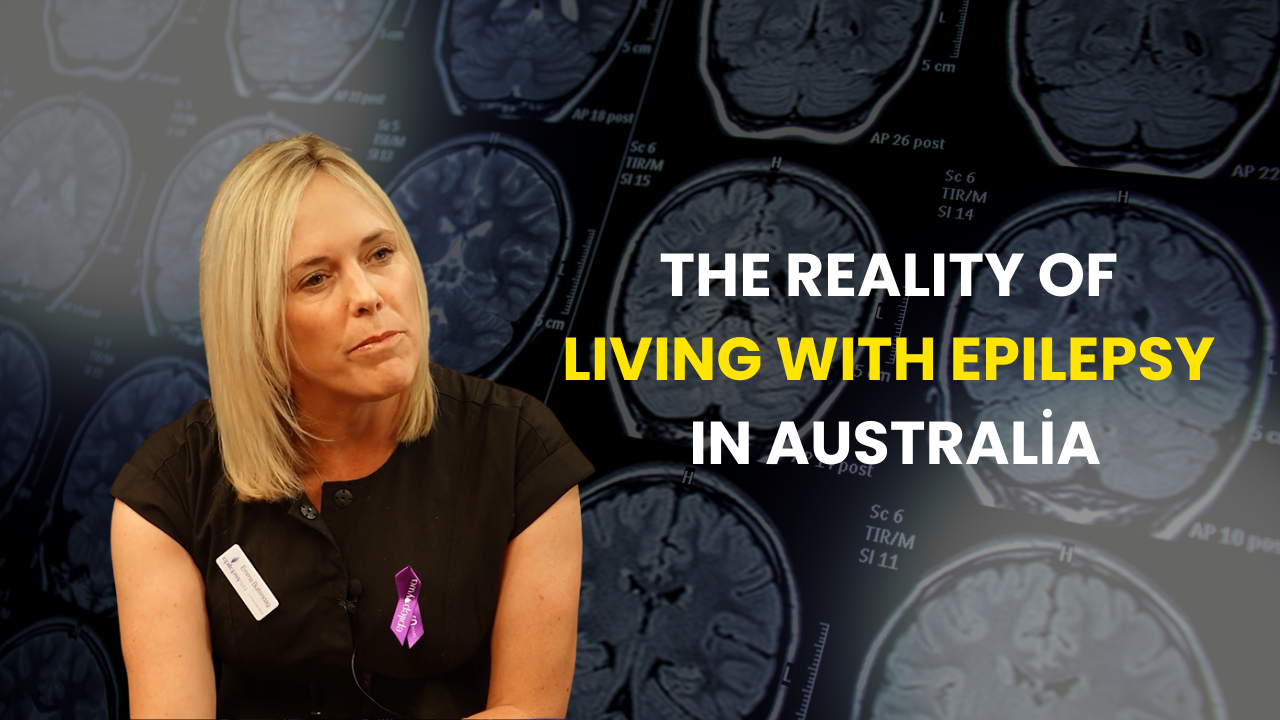
Watch the complete Podcast on YouTube.
Federal Priorities: Funding That Reflects the Reality
At a federal level, the message is clear: funding is essential.
National investment must prioritise:
- Epilepsy research, including SUDEP prevention
- Specialist workforce expansion
- Telehealth services for rural communities
- National awareness campaigns
Epilepsy affects people of all ages. It impacts education, employment, driving, mental health and social participation. Reducing seizure frequency and improving access to care is not only compassionate it is economically responsible.
Investment in epilepsy care reduces hospital admissions, emergency interventions and long-term disability costs. It is money well spent.
A Fair Go for 28,000 Western Australians
Every person living with epilepsy deserves:
- Timely access to specialists
- Safe workplaces and schools
- Informed communities
- Reduced risk of preventable death
This is about fairness. It is about dignity. It is about public health leadership.
Reducing Australia’s annual figure of 1,100 epilepsy-related deaths must become a measurable national goal. With coordinated state and federal action, that number can and must fall.
Join Us at Our Upcoming Events
Join us at the WA International Women’s Day 2026 – Leaders Breakfast Event. We honour remarkable women. They shaped Western Australia’s history. For instance, they led through activism and caregiving. Moreover, they built communities.
Join Us at the National Child & Family Safety Leadership Summit 2026 will bring together leaders, practitioners, policymakers, researchers and community voices from across the country. This important gathering creates space for meaningful dialogue on the most pressing issues impacting children and families including domestic violence, coercive control, child protection, and community wellbeing.
We look forward to welcoming you to this moving and inspiring celebration of women’s achievements and contributions. Don’t miss this opportunity to hear from one of WA’s most influential scientific leaders, Miquela Riley.