
Understanding the Psychology of Re-Offending: Why Behaviour Repeats and How We Can Break the Cycle
Introduction
The psychology of re-offending is far more complex than simply “learning a lesson” after punishment. Many assume that once an individual has served their time, they will naturally avoid repeating the same mistakes. However, research and real-life experience show that re-offending often stems from deeper psychological patterns, unmet emotional needs, and ingrained behaviours shaped over time.
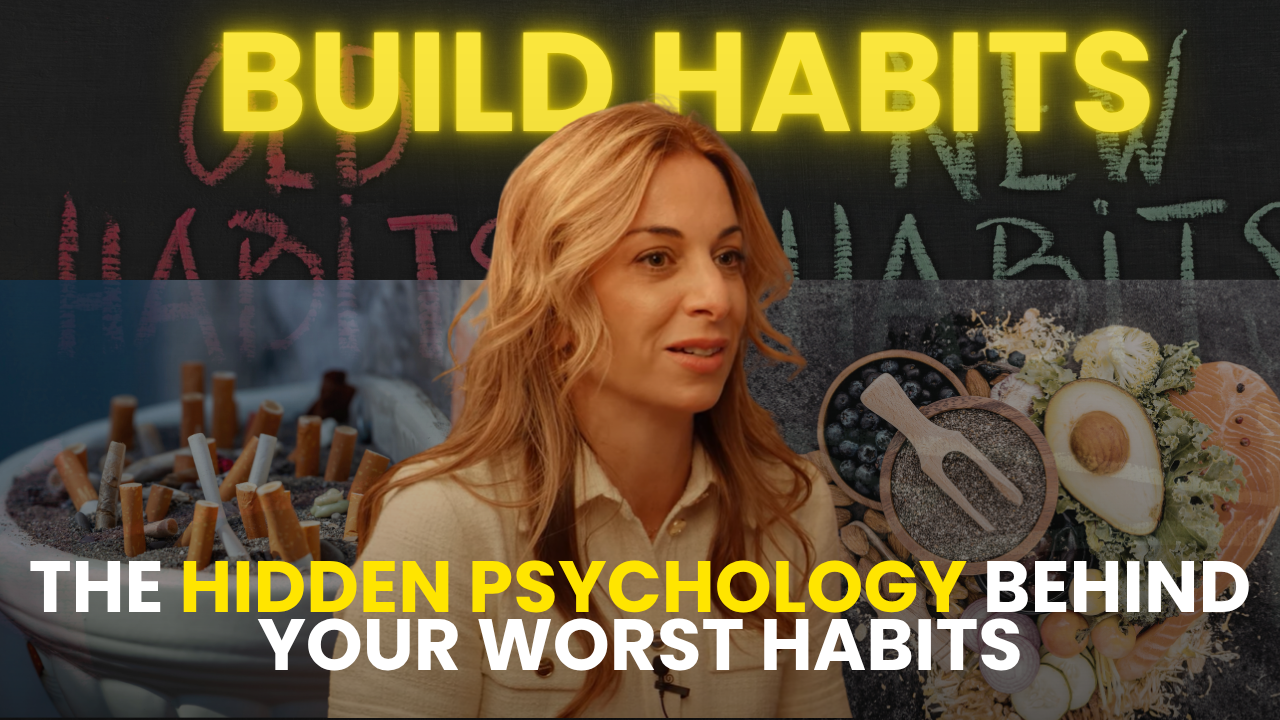
In a recent conversation, the discussion explored how concepts like neuroplasticity, repetitive behaviour, and mental health journeys play a critical role in shaping life choices. Rather than viewing re-offending as a failure of discipline, it is more accurately understood as a reflection of underlying needs that remain unaddressed. This blog explores why individuals repeat harmful behaviours and how a more compassionate, holistic approach can help create lasting change.
Why Do People Re-Offend?
At the surface level, re-offending may appear irrational. If someone knows an action leads to negative consequences, why repeat it?
The answer lies in behavioural conditioning and emotional reinforcement.
1. Behaviour That “Serves a Need”
Every repeated behaviour—no matter how harmful serves a purpose. It may provide:
- Temporary relief from stress or trauma
- A sense of control or identity
- Escape from emotional pain
- Familiarity in an otherwise unstable life
For example, someone struggling with alcoholism may understand the damage it causes, yet continue drinking because it offers short-term comfort or emotional numbness.
Watch the complete Podcast on YouTube.
The Role of Neuroplasticity
Neuroplasticity refers to the brain’s ability to rewire itself based on repeated actions and experiences.
When a behaviour is repeated:
- Neural pathways strengthen
- The behaviour becomes automatic
- The brain begins to associate it with reward or relief
Over time, this creates a “habit loop” that is difficult to break even when the consequences are harmful.
This explains why simply punishing behaviour does not always lead to change. The brain has already been conditioned.
Why Punishment Alone Doesn’t Work
Traditional systems often rely on consequences to discourage wrongdoing. While accountability is important, punishment alone does not address:
- Emotional triggers
- Trauma history
- Learned coping mechanisms
- Lack of alternative behaviours
Without addressing these root causes, individuals may return to the same patterns once external pressure is removed.
Re-Offending as a Mental Health and Life Journey
Breaking cycles of harmful behaviour requires a shift in perspective from control to understanding.
Mental health is not a quick fix or a “band-aid solution.” It is a lifelong journey of:
- Self-awareness
- Emotional regulation
- Better decision-making
- Continuous growth
People make choices every day some aligned with their wellbeing, others not. The goal is not perfection, but progress.
Supporting Better Life Choices
Organisations focused on wellbeing, such as holistic life coaching initiatives, emphasise supporting individuals across mind, body, and emotional health.
Key approaches include:
1. Identifying the Root Cause
Understanding why a behaviour exists before trying to change it.
2. Building Healthier Coping Mechanisms
Replacing harmful habits with positive alternatives such as mindfulness, physical activity, or community support.
3. Encouraging Personal Responsibility
Empowering individuals to recognise that their choices shape their outcomes—while also acknowledging the complexity behind those choices.
4. Strengthening Connection
Helping individuals reconnect with:
- Themselves
- Their families
- Their communities
A sense of belonging often reduces the need for harmful coping behaviours.
The Power of Awareness and Choice
At the heart of behavioural change lies one powerful idea: choice.
Every individual has the capacity to make decisions that lead to:
- Greater happiness
- Emotional stability
- Meaningful relationships
- A sense of purpose
However, making better choices requires awareness, support, and the right environment.
When individuals feel safe, understood, and supported, they are far more likely to break negative cycles and step into their best selves.
Creating Stronger Communities Through Understanding
Re-offending is not just an individual issue it is a community issue. When we shift from judgement to understanding, we create systems that:
- Reduce repeat offences
- Improve mental wellbeing
- Strengthen families
- Build safer communities
By investing in people not just punishing behaviour we unlock the potential for real, lasting change.
Join Us at Our Upcoming Events
Join Us at the National Child & Family Safety Leadership Summit 2026 will bring together leaders, practitioners, policymakers, researchers and community voices from across the country. This important gathering creates space for meaningful dialogue on the most pressing issues impacting children and families including domestic violence, coercive control, child protection, and community wellbeing.
We look forward to welcoming you to this moving and inspiring celebration of women’s achievements and contributions. Don’t miss this opportunity to hear from one of WA’s most influential scientific leaders, Miquela Riley.