
Psychologists, Lived Experience, and the Hidden Realities of Mental Health
Mental health professionals are often seen as people who have all the answers. Because psychologists understand the science of behaviour, trauma, and emotional wellbeing, many assume they must be immune to mental health struggles themselves. In reality, the opposite is often true.
Psychologists are human first. Many are drawn to the profession not because life has been easy, but because they have witnessed or personally experienced the deep complexities of mental health. Their lived experiences can become a powerful source of empathy, understanding, and purpose.
In a recent conversation, an important truth emerged: no one is immune to mental health challenges not even those trained to treat them.
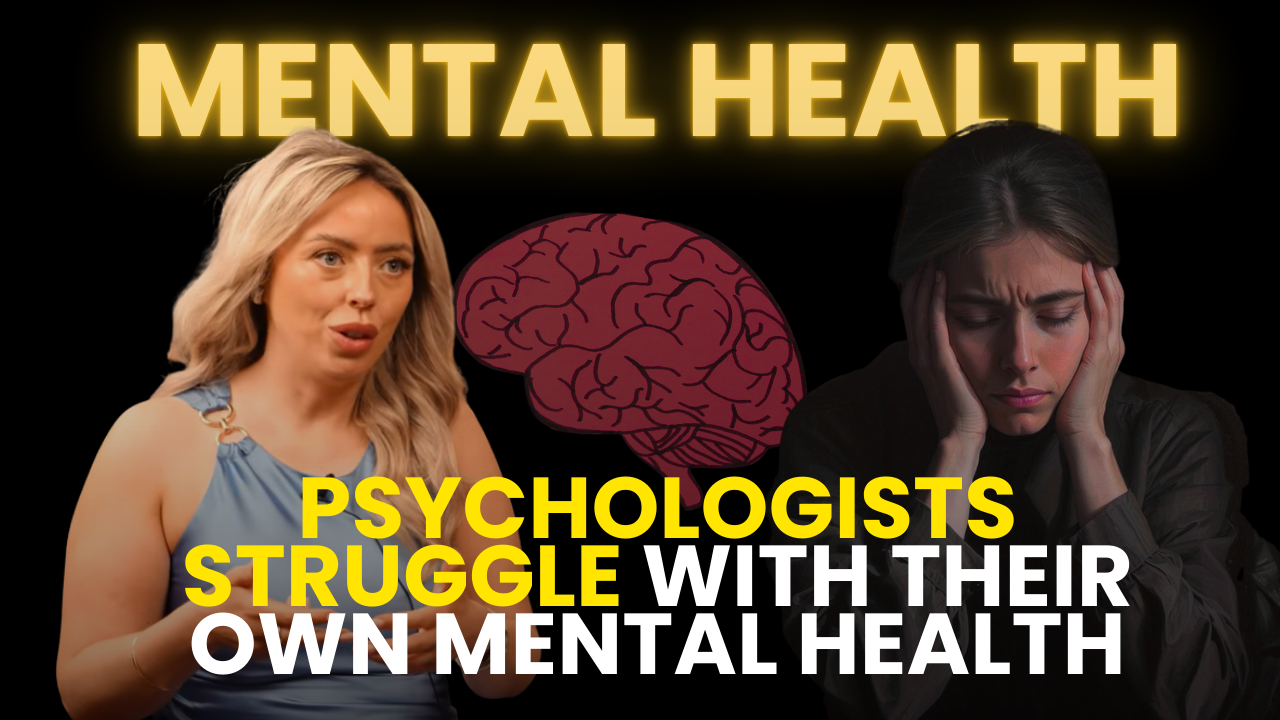
Are Psychologists Immune to Mental Health Challenges?
A common misconception is that psychologists possess tools that shield them from emotional difficulty. While training provides knowledge and coping strategies, it does not make someone immune to stress, grief, trauma, or depression.
Psychologists still experience:
- Family conflict
- Emotional overwhelm
- Personal loss
- Relationship challenges
- Burnout and compassion fatigue
In fact, because psychologists spend their careers supporting people through trauma, grief, and crisis, the emotional weight of the work can sometimes increase vulnerability.
Mental health professionals are trained to manage these pressures responsibly through supervision, peer support, and professional accountability but they remain human.
The Value of Lived Experience in Mental Health Care
Within the mental health sector, there is growing recognition of the importance of lived experience.
People who have personally navigated mental health challenges bring something unique to the profession: deep empathy and insight. Their experiences can help them connect with clients in a way that feels genuine and understanding.
Many mental health boards and organisations now actively support the involvement of peer workers — individuals who have walked the path of mental health recovery themselves.
Their contribution reminds us of an important truth:
Healing often begins with being understood.
Why Many Psychologists Choose This Profession
For many psychologists, the decision to enter the field is deeply personal.
Sometimes it stems from witnessing suffering early in life in families, communities, or schools. Exposure to trauma or loss can spark a desire to understand human behaviour and help others navigate similar challenges.
One powerful example shared in the discussion involved a tragic period during school years when multiple students died by suicide over a short period of time. For a young person, experiences like this can be profoundly confronting.
At an age when most teenagers are trying to understand themselves and their place in the world, confronting the loss of peers raises difficult questions:
- Why did this happen?
- Could someone have helped them?
- How do people hide so much pain?
These experiences often become the catalyst that shapes a future career dedicated to mental health awareness and support.
Watch the complete Podcast on YouTube.
The Complexity of Suicide and Mental Health
Suicide is one of the most difficult realities society faces. What makes it especially complex is that people struggling with suicidal thoughts often become very skilled at hiding their pain.
To the outside world, they may appear calm, happy, or functioning well.
This is why mental health support cannot rely solely on medication or short consultations. While medical treatment can play an important role, recovery often requires deeper conversation, counselling, and emotional connection.
For many individuals seeking help, the most powerful moment is not receiving medication — it is finally being able to talk about what they are experiencing.
The Hidden Impact of Domestic Violence
Another critical issue discussed was the hidden nature of family domestic violence.
Domestic violence is often misunderstood. Many assume it is always physical, yet it frequently appears in other forms such as:
- Emotional abuse
- Financial control
- Threats or intimidation
- Psychological manipulation
These behaviours can exist quietly within families while outwardly everything appears normal.
In many communities, individuals learn to mask their struggles. People leave their homes in the morning, greet neighbours, go to work, and present a composed image to the world.
But behind closed doors, a very different reality may exist.
Recognising these patterns is essential because domestic violence and mental health challenges often intersect, creating long-term emotional consequences for individuals and families.
The Illusion of Social Media
Modern life adds another layer of complexity through social media.
Online platforms frequently present curated versions of life carefully selected moments of success, happiness, and achievement. While these snapshots may look inspiring, they rarely reflect the full reality of someone’s experiences.
It is increasingly important to approach social media with perspective.
The truth is that many people are navigating challenges that remain invisible to others. Mental health struggles, family difficulties, and personal trauma often remain hidden beneath the surface.
Understanding this helps cultivate compassion and reminds us not to compare our lives to someone else’s highlight reel.
Why Compassion and Awareness Matter
One of the most important lessons from these conversations is simple yet powerful:
You never truly know what someone is going through.
A person who appears confident, successful, or composed may be carrying significant emotional burdens.
This is why mental health awareness matters not only in clinical settings but in schools, workplaces, and communities. Creating environments where people feel safe to speak openly about their struggles can make an enormous difference.
Sometimes the most powerful support we can offer someone is simply listening.
Join Us at Our Upcoming Events
Join Us at the National Child & Family Safety Leadership Summit 2026 will bring together leaders, practitioners, policymakers, researchers and community voices from across the country. This important gathering creates space for meaningful dialogue on the most pressing issues impacting children and families including domestic violence, coercive control, child protection, and community wellbeing.
We look forward to welcoming you to this moving and inspiring celebration of women’s achievements and contributions. Don’t miss this opportunity to hear from one of WA’s most influential scientific leaders, Miquela Riley.