Why Protective Behaviours Matter: Listening to Children, Supporting Families and Building Safer Communities
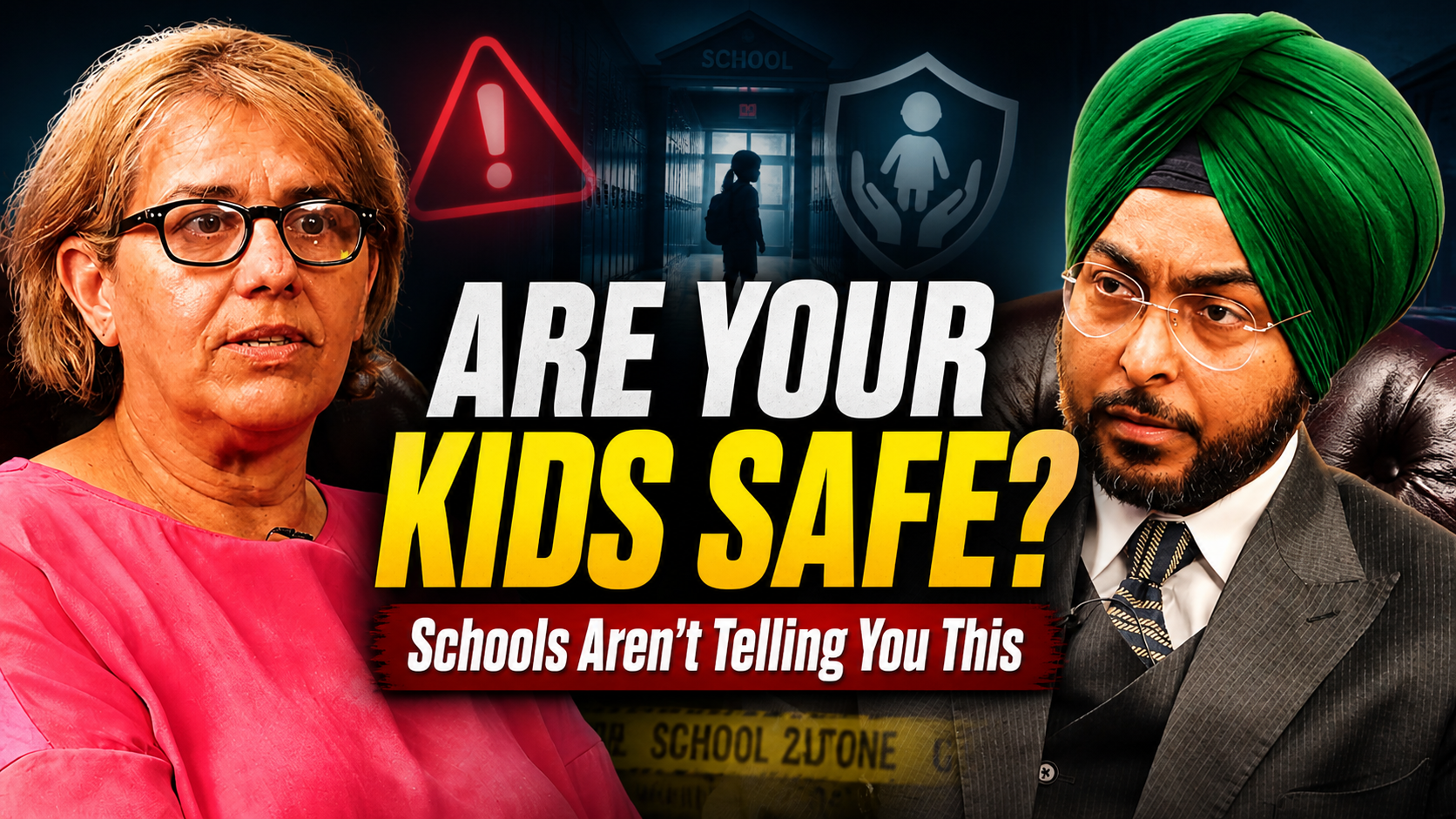
Protective Behaviours programmes play a vital role in child safety, family support and early intervention. At their heart, these programmes are about education, awareness and giving children the language, confidence and support to speak up when something does not feel right. In this conversation, we hear how Protective Behaviours grew from an idea into a practical programme delivered through schools, police services and community partnerships. The discussion highlights why child safety is not the responsibility of one agency alone. It requires schools, families, police, child protection teams and communities to work together with care, consistency and trust.
From an Idea to a Practical Child Safety Programme
The conversation begins with an important question: how does a child safety idea become a real programme that reaches children and families?
The answer is clear: through awareness, education and collaboration. The Protective Behaviours unit was not a large department, but its purpose was powerful. Its task was to educate children and families, helping them understand safety, personal boundaries and the importance of speaking to trusted adults.
Rather than simply creating programmes from a distance, the team worked closely with schools and communities. This made the work more meaningful because it was shaped by real children, real families and real experiences.
The Role of Schools in Protective Behaviours
Schools became one of the most important places for delivering Protective Behaviours education. Children spend much of their time in school, and teachers often become trusted adults in their lives.
The speaker describes becoming the first school-based police officer attached to South Fremantle Senior High School in the Fremantle region. This role became a valuable opportunity to learn directly from students and apply Protective Behaviours in a practical setting.
Most importantly, the programme was not just delivered to children. It was shaped with children. Listening to students helped improve the way safety messages were written, explained and delivered.
This is a crucial lesson for anyone working in child safety: children’s voices must be part of the solution.
Listening to Children and Hearing Their Voices
Effective child safety education cannot rely on adult assumptions alone. Children need to be heard, respected and involved in shaping the messages meant to protect them.
By working directly with students, the programme could better understand what children needed, how they communicated, and what helped them feel safe enough to speak. This made the Protective Behaviours approach more relevant and more responsive.
When children are given the right language and trusted spaces, they are more likely to recognise unsafe situations and seek help. That is why programmes like this must be age-appropriate, accessible and grounded in children’s lived experiences.
Watch the complete Podcast on YouTube.
Partnership Between Police, Teachers and Community Services
The conversation also shows that Protective Behaviours was never just a policing programme. Although it was developed within police structures, its success depended heavily on partnerships with teachers, education departments and community organisations.
Teachers and education professionals were described as instrumental in helping get the messages out. This matters because child safety requires a shared network of support. Police may play an important role, but they cannot carry the work alone.
Community-based platforms also helped spread the programme’s message. These included youth services, Aboriginal affairs, police and community youth centres, school-based policing, neighbourhood watch and other local initiatives.
Together, these channels helped Protective Behaviours reach more children, families and communities.
The Origins of Protective Behaviours in Australia
Protective Behaviours was originally developed in America before being brought to Australia by the Victorian Police Service. From there, the WA Police Service adopted the programme and placed it within what was then called the Youth Services Command.
This command included several community-focused services, making it a natural home for a prevention-based child safety programme. Its broader environment allowed Protective Behaviours to connect with schools, families and community initiatives more effectively.
This history is important because it shows how good ideas can travel, adapt and grow when committed people bring them into local communities.
Prevention and Early Intervention in Child Safety
For many years, Protective Behaviours was primarily viewed as a preventative programme. Its purpose was to educate children before harm occurred, helping them understand their rights, feelings, body safety and support networks.
Prevention remains essential. Children should not have to experience harm before they are taught how to recognise unsafe behaviour or seek help. Families and communities also need education so they can respond appropriately when children raise concerns.
However, the conversation makes an important point: Protective Behaviours has also become reactive in certain situations.
When Protective Behaviours Becomes Reactive
The speaker explains that when a child makes a partial disclosure to police or child protection services, but does not provide enough detail, Protective Behaviours can support the response. In these moments, the programme may help children find the words, confidence and safety to communicate more clearly.
This does not replace formal investigation or professional safeguarding procedures. Instead, it supports children by giving them tools to express themselves and understand that they have the right to feel safe.
This dual role — both preventative and reactive — makes Protective Behaviours especially valuable in child and family safety work.
Why Awareness and Education Still Matter
One of the strongest themes in the conversation is that awareness and education are the foundation of change. Creating a programme is only the beginning. People within organisations must understand why it matters, how it works and how it can support children and families.
This takes time. The speaker notes that it took a long time for police to use the programme in a more reactive way. That is often true of important social change. New ideas need champions, evidence, partnerships and persistence.
Protective Behaviours reminds us that child safety is built through steady work, trusted relationships and repeated education.
Building Safer Systems Around Children
Children are safest when the adults and systems around them work together. Schools, police, families, child protection agencies and community organisations all have a role to play.
The success of Protective Behaviours lies in its practical, collaborative approach. It recognises that children need more than rules. They need language, confidence, trusted adults and systems that listen.
When programmes are shaped with children, supported by teachers and strengthened by community partnerships, they become more than policies. They become real tools for protection, prevention and healing.
Final Thoughts
The development of Protective Behaviours shows what is possible when people within systems choose to listen, collaborate and act. A small unit with a clear purpose helped shape a programme that could educate children, support families and guide professionals responding to disclosures.
Its story is a reminder that child safety is not simply about reacting after harm has happened. It is about building awareness early, creating safe environments and empowering children to speak.
Every child deserves to feel safe, heard and supported. Protective Behaviours continues to offer a powerful framework for making that possible.
Join Us at the National Child & Family Safety Leadership Summit 2026
To continue these vital conversations around child protection, prevention, education and leadership, we invite you to attend the National Child & Family Safety Leadership Summit 2026 on 22nd May 2026.
Join us for a moving and inspiring gathering of leaders, practitioners, educators, advocates and changemakers committed to creating safer futures for children and families.
Be part of a meaningful day of learning, reflection and action as we work together to strengthen child and family safety across our communities.